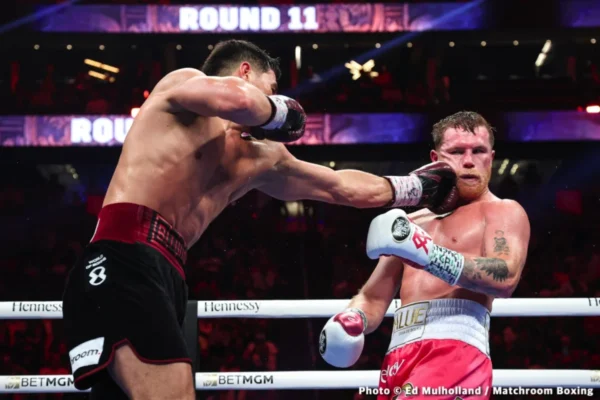
A staggering financial projection is placing undisputed welterweight contender Conor Benn at a critical juncture, with industry insiders estimating his potential earnings from his recent bouts and an upcoming fight to exceed $40 million. This substantial sum, as reported by sportsamo.com, presents Zuffa, the promotional powerhouse, with a strategic dilemma: Is Benn a long-term commercial cornerstone worth investing in for future growth, or a fighter whose market value is nearing its peak, necessitating a strategy to maximize immediate returns?
The financial implications of Benn’s career trajectory are undeniable. Renowned boxing analyst Chris Mannix has publicly stated that Benn is poised to earn "north of $40 million" through his last two fights and a projected third contest. This figure is exceptional, with very few fighters in the sport’s history achieving such financial success within a comparable timeframe. This financial potency, however, is intrinsically linked to Benn’s marketability and his ability to consistently draw significant pay-per-view numbers and ticket sales.
Zuffa’s decision hinges on a careful assessment of Benn’s future potential versus his current market standing. While cost-cutting measures, such as utilizing less expensive preliminary bouts, can optimize operational overhead, they cannot salvage a main event that fails to attract a substantial buyer base capable of supporting elite fighter purses. The upcoming bout against Denzel Bentley, while a seemingly straightforward, in-house booking on paper, offers minimal promotional leverage outside of dedicated boxing aficionados. Should Benn falter against this rugged domestic contender, his status as a headliner capable of drawing significant crowds could rapidly diminish, potentially relegating him to a less impactful, "Tuesday-level attraction."
The allure of a third showdown with Chris Eubank Jr. remains a potent draw for the United Kingdom audience, consistently delivering strong box-office results. However, from a broader career perspective, such a fight offers little in terms of forward momentum or expansion of Benn’s brand. Without the significant stakes of a world title or the fresh animosity of new rivalries, a trilogy bout primarily taps into the existing domestic fanbase for a third time. While undeniably lucrative, it functions more as a well-executed exit strategy than a platform to cultivate and broaden Benn’s global appeal.
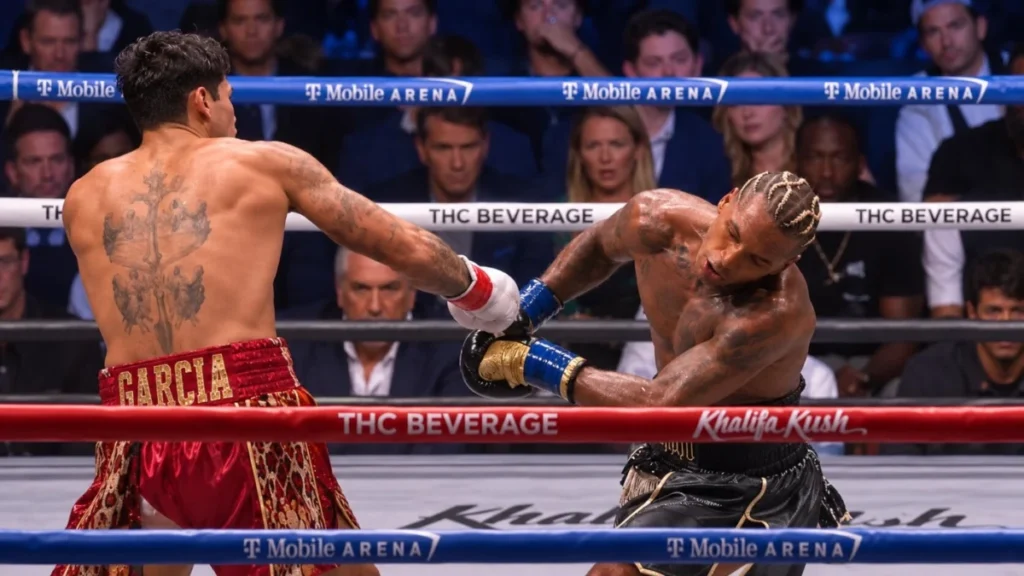
The prospect of a fight against Shakur Stevenson presents a different set of challenges and opportunities. Stevenson possesses considerable name recognition in the United States, a crucial market for Zuffa. However, the financial and stylistic variables associated with such a matchup are complex. Stevenson, a naturally smaller fighter who is moving up in weight, presents a unique challenge. A victory for Benn over Stevenson, while adding a notable name to his resume, might not entirely erase the memory of his knockout loss to Ryan Garcia. Conversely, a calculated, twelve-round masterclass from Stevenson could leave Zuffa having paid astronomical purses for both fighters, only to witness a performance that might alienate casual ticket buyers who crave explosive action rather than technical brilliance.
Furthermore, the logistical complexities of a Stevenson fight are considerable. An American-led bout against Stevenson would necessitate a prime U.S. broadcast window, potentially alienating European fans. Conversely, a card headlined by Benn against a UK opponent like Eubank would require a UK primetime slot to maximize gate revenue. This dichotomy highlights the delicate balancing act Zuffa must perform in navigating Benn’s promotional future.
If Zuffa’s objective is to genuinely rehabilitate Benn’s image and rebuild his standing within the sport, the strategic imperative is clear: they need to identify and secure an opponent who is a recognizable, established welterweight willing to engage in a toe-to-toe battle. The ideal candidate would command respect on the marquee, drawing significant attention and ticket sales, while simultaneously offering the stylistic vulnerabilities that Benn requires to deliver a highlight-reel finish. Such an opponent would not only present a credible challenge but also provide Benn with the opportunity to re-establish himself as a must-see attraction, making his subsequent events an easier sell to a wider audience.
The boxing landscape is dynamic, and Benn’s considerable earning potential at this stage of his career presents Zuffa with a significant strategic decision. The choices made now will undoubtedly shape the remainder of Conor Benn’s career and his legacy within the sport, all while Zuffa aims to capitalize on his immense, albeit precarious, financial standing. The coming months will reveal whether Zuffa opts to cash in on Benn’s current market value or invest in his long-term potential, navigating the delicate balance between immediate profit and sustained growth. The $40 million question is not just about the money, but about the future direction of one of boxing’s most talked-about figures.