## Wolff Hails Verstappen-Russell Clash as Prime F1 Entertainment
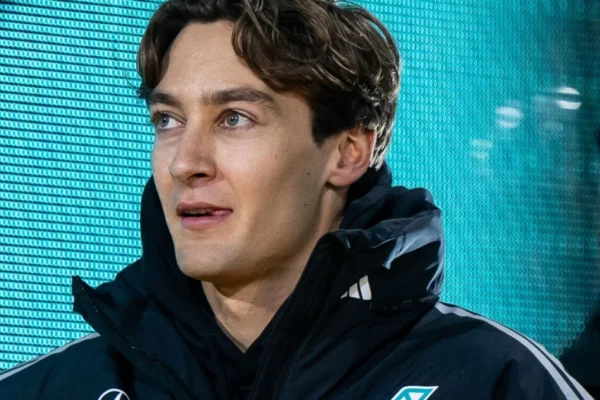
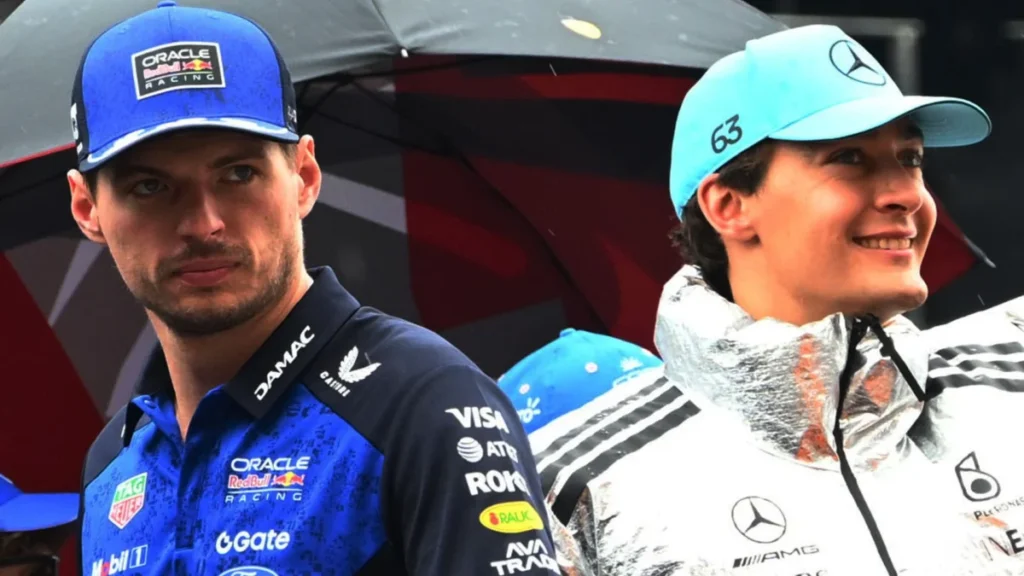
Mercedes team principal Toto Wolff has lauded the escalating “provocations” between his driver George Russell and Red Bull’s reigning champion Max Verstappen, characterizing them as a “good factor of the entertainment” in Formula 1, according to a report published by sportsamo.com. The simmering tensions between the two formidable talents flared dramatically at the recent Las Vegas Grand Prix, evolving from an on-track collision in final practice to a scathing war of words, a narrative now poised to intensify as the circuit heads to the Qatar Grand Prix.
The glittering spectacle of Las Vegas served as an unlikely backdrop for the latest chapter in this burgeoning rivalry. The seeds of discord were sown early, with a contentious incident during final practice that saw Verstappen and Russell make contact. Russell, known for his articulate and often measured commentary, didn’t hold back, accusing Verstappen of disregarding gentleman’s agreements among drivers and asserting that “somebody’s got to stand up to that guy.” This direct challenge set the stage for a race brimming with anticipation, where their on-track duel for supremacy was as captivating as the off-track rhetoric.
As the lights went out on the iconic Las Vegas Strip, the narrative threads quickly intertwined. Russell, having publicly criticized Verstappen ahead of Saturday night’s race, found himself locked in a fierce battle for the lead with the Dutchman for a significant portion of the Grand Prix. While Verstappen ultimately claimed a masterful victory, Russell’s race took an unfortunate turn, culminating in a late error while battling for position that saw him drop down the field to finish ninth. The immediate aftermath was swift and cutting, with Verstappen seizing the opportunity to deliver a sharp retort over team radio, followed by an even more pointed jab during the post-race press conference, where he declared, “he’s so far below my level.”
Wolff, speaking before Verstappen’s post-race comments had fully circulated, offered a philosophical perspective on the intensifying rivalry. When queried about the wisdom of Russell engaging in “mind games” with Verstappen, the Austrian team boss reflected on their shared history. “They have known each other so long since karting,” Wolff explained, highlighting the deep roots of their competitive dynamic. “I think it’s probably been a bit of cat and mouse. These provocations on either side are another good factor of the entertainment.” His remarks suggest a calculated embrace of the drama, recognizing its commercial and fan engagement value within the sport.
This current friction is far from an isolated incident. The feud between Russell and Verstappen has historical precedents, most notably reigniting almost exactly two years prior following the 2024 Qatar Grand Prix. That previous flashpoint saw a remarkable war of words erupt after an on-track incident, with Verstappen feeling Russell had pushed excessively hard to try and get him penalized by the stewards. Such recurring clashes underscore a deeper competitive undercurrent, a testament to the high stakes and uncompromising nature of elite motorsport.
The history of Formula 1 is replete with legendary rivalries that have transcended the racetrack, transforming mere competition into captivating sagas. From the visceral battles between Ayrton Senna and Alain Prost in the late 1980s and early 90s, characterized by intense psychological warfare and dramatic on-track collisions, to the more recent, championship-defining clashes between Lewis Hamilton and Max Verstappen, these personal antagonisms have consistently elevated the sport’s appeal. They add layers of human drama, making heroes and villains, and turning every Grand Prix into a chapter in an ongoing epic. Wolff’s perspective aligns with this tradition, viewing the Russell-Verstappen dynamic as a modern iteration of F1’s most compelling narratives. These rivalries not only entertain but also push drivers and teams to extract every ounce of performance, often resulting in truly extraordinary displays of skill and resilience.
Delving deeper into the personalities involved, Max Verstappen embodies a generation of raw, unbridled talent and aggressive confidence. His driving style is characterized by an almost ruthless pursuit of victory, often pushing the boundaries of what is acceptable on track. With multiple World Championships under his belt, Verstappen’s self-belief is absolute, and his public statements frequently reflect a no-nonsense, unapologetic demeanor. His comment about Russell being “so far below my level” is typical of a driver who sees himself as the benchmark and expects others to recognize it. This psychological approach, coupled with his unparalleled car control and strategic acumen, has made him a dominant force, winning a staggering percentage of races in recent seasons and rewriting record books with his relentless pursuit of excellence.
George Russell, on the other hand, arrived in Formula 1 with a reputation for meticulous preparation, intelligent race craft, and a keen analytical mind. While often more reserved than Verstappen, Russell is fiercely ambitious and possesses a quiet determination to prove himself against the very best. His tenure at Mercedes, particularly stepping into the shoes of a seven-time world champion like Lewis Hamilton, has placed immense pressure on him to perform. His willingness to “stand up” to Verstappen, even when facing a driver of such stature and success, speaks volumes about his own championship aspirations and his belief in fair play, particularly regarding unwritten rules like gentleman’s agreements in practice sessions. The collision in Las Vegas practice, which saw Verstappen receive a warning from the stewards, highlighted Russell’s resolve to hold his rivals accountable.
The implications of this rivalry extend beyond the two drivers to their respective teams. For Mercedes, fostering a competitive spirit within its ranks and against its primary rival, Red Bull, is crucial as they strive to reclaim championship glory. Wolff’s public courting of Verstappen, even after confirming Lewis Hamilton’s departure to Ferrari, has added another intriguing layer to the inter-team dynamics. It can be interpreted as a strategic move to unsettle Red Bull, a genuine long-term interest in Verstappen’s talent, or even a subtle way to motivate Russell and Hamilton by showcasing the competitive landscape. For Red Bull, Verstappen’s dominance provides an almost unshakeable confidence, yet even they understand that a strong rival can sharpen focus and push development. The psychological warfare that accompanies such intense rivalries is as much a part of the F1 fabric as aerodynamic innovation and engine power.
Reflecting on the Las Vegas race itself, Wolff was quick to acknowledge Verstappen’s undeniable performance. “I think Max is a deserving winner [of the race],” he stated. “He made no mistakes, and that’s why he won the race. He always had a response. Some very good driving.” Verstappen’s ability to manage his energy deployment expertly, regain the lead on multiple occasions, and execute a flawless strategy under pressure underscored his current position as the sport’s preeminent talent. Even amidst the growing animosity, a professional respect for pure racing prowess often shines through.
As Formula 1 now shifts its focus to the Middle East for the Qatar Grand Prix, the anticipation surrounding the Verstappen-Russell dynamic is palpable. Fans will be eager to see if the verbal jousting translates into more direct on-track confrontations. Will Russell rise to Verstappen’s challenge, or will the Dutchman continue to assert his dominance with uncompromising force? This burgeoning rivalry has the potential to become a defining narrative of future F1 seasons, injecting an essential dose of drama, personality, and unpredictability into a sport that thrives on both competitive excellence and compelling human stories. The Qatar Grand Prix, live on Sky Sports F1, promises to be another thrilling chapter in this unfolding saga, where every lap and every word will be scrutinized for the next twist in F1’s captivating entertainment.