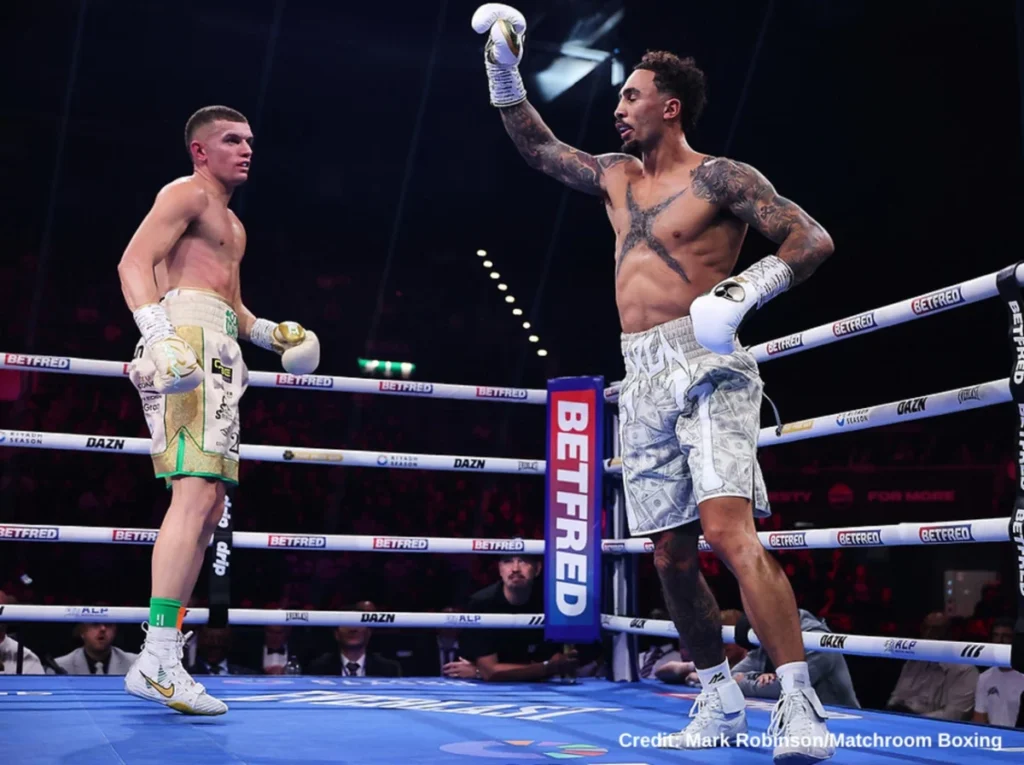
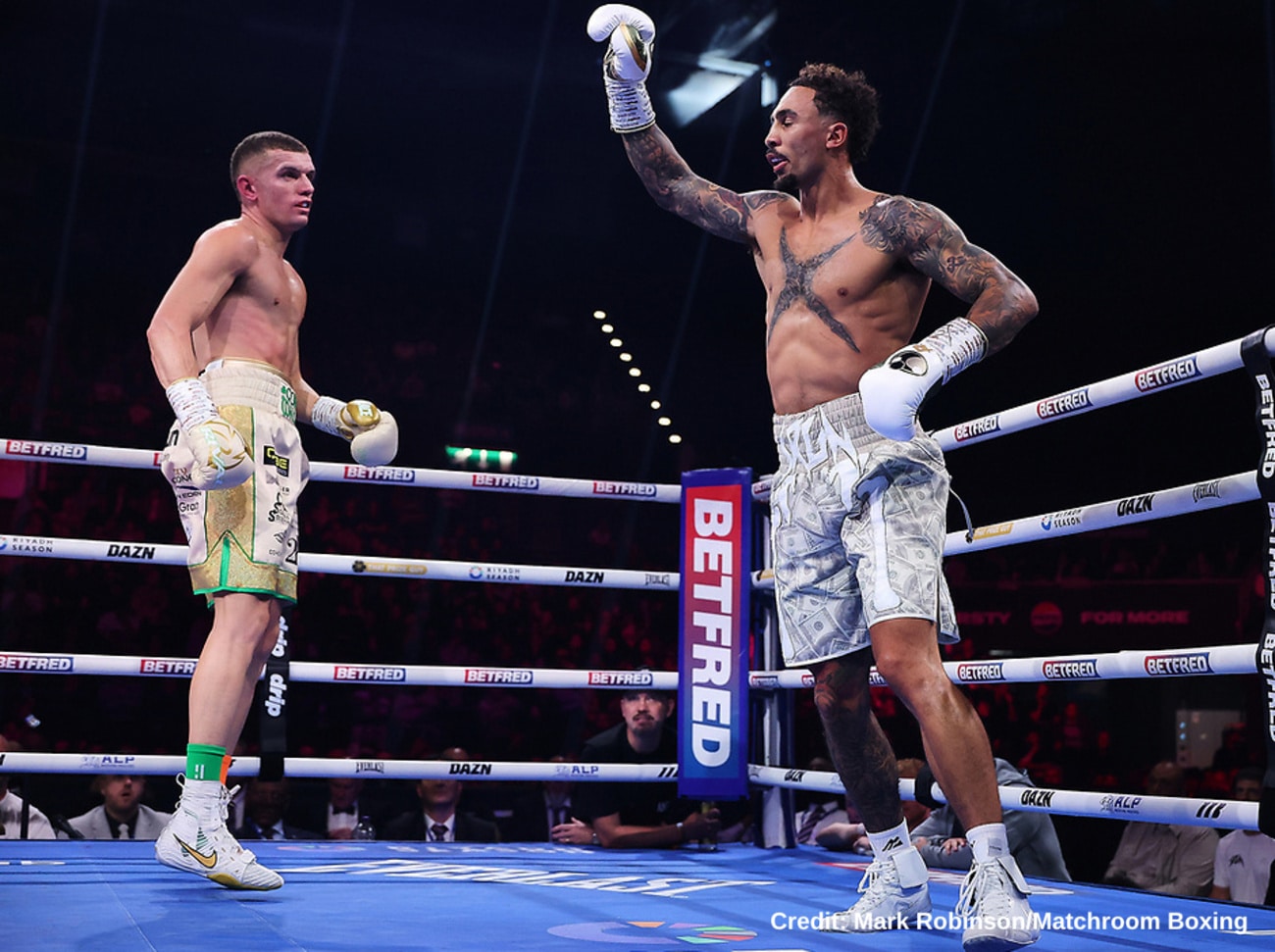
Sportsamo.com reports that boxing promoter Eddie Hearn is drawing criticism for what appears to be a strategic delay in Ben Whittaker’s mandatory challenge for Dmitry Bivol’s light heavyweight championship. Hearn has announced a "big domestic fight" for Whittaker, scheduled for early 2027, which is being framed as a significant step. However, boxing analysts suggest this is a deliberate maneuver to shield Whittaker from a premature, high-risk encounter with Bivol, a fighter widely considered one of the division’s elite.
Whittaker, with a professional record of 13 wins, 0 losses, and 1 draw, boasting 9 knockouts, currently holds the coveted mandatory challenger status for the winner of the upcoming Dmitry Bivol vs. Callum Smith bout. This position, earned through a contentious split decision victory in an IBF final eliminator against Conor Wallace in October 2026, has become the focal point of debate. Hearn himself admitted in a recent interview that Whittaker "needs one more fight" following the Wallace bout. This statement is being interpreted as an acknowledgment of the significant challenges Whittaker faced and narrowly overcame, fueling speculation that a direct confrontation with either Bivol or Smith would be too perilous at this stage of his career.
The narrative emerging from this situation suggests a pattern of Matchroom Boxing prioritizing the careful cultivation of Whittaker as a marketable asset over immediate championship opportunities. Critics argue that Hearn is opting for a "protective detour" rather than testing Whittaker against genuine, in-their-prime domestic rivals. Instead of pitting the 29-year-old Whittaker against fellow Britons like the formidable Joshua Buatsi or the powerful Willy Hutchinson, Matchroom appears to be targeting less potent, albeit popular, UK names. Fighters such as Craig Richards, Dan Azeez, or Lyndon Arthur, while capable of drawing crowds and generating ticket sales, are perceived as opponents who would allow Whittaker to showcase his skills without exposing him to the severe risks associated with facing a top-tier champion like Bivol. This approach, detractors claim, is more akin to managing a developing prospect than preparing a contender for a world title.
The concern is that this strategy, while potentially lucrative in the short term by building Whittaker’s profile and fan base, could ultimately prove detrimental to his long-term development as a championship-level fighter. Facing opponents who do not exert consistent pressure or possess elite offensive capabilities might allow Whittaker to indulge in showboating and less disciplined movement. These habits, while entertaining, could become significant liabilities when he eventually steps into the ring with a technically brilliant and punishing boxer like Dmitry Bivol. Bivol, known for his exceptional boxing IQ, defensive prowess, and punishing counter-punching, is the type of fighter who capitalizes ruthlessly on any perceived weakness or complacency.
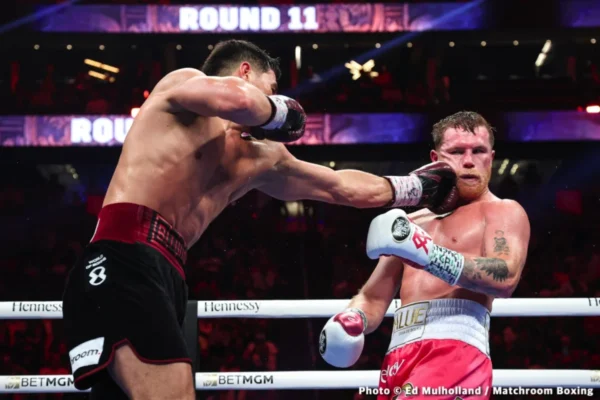
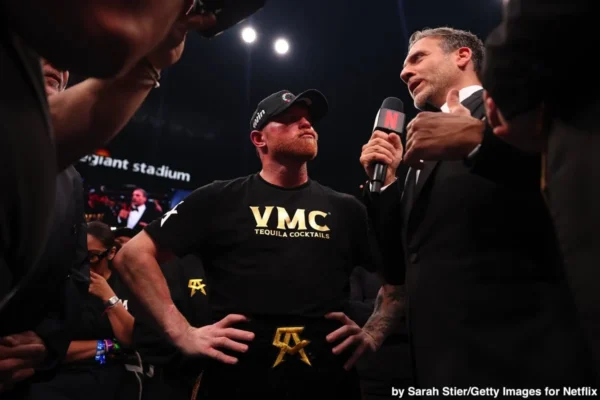
This perceived stalling tactic also raises questions about the broader promotional landscape and the strategic timing of major championship fights. The article speculates that this approach mirrors the long wait for the eventual showdown between Canelo Alvarez and Gennady Golovkin. In that instance, Alvarez, through his team, was accused of waiting for Golovkin to age and potentially decline before agreeing to their highly anticipated trilogy. The parallel drawn here is that Hearn may be employing a similar strategy with Whittaker and Bivol. By delaying the mandatory challenge, Hearn could be aiming to wait for the 35-year-old Bivol, who has had a long and demanding career and has reportedly dealt with various injuries, to perhaps be past his absolute prime.
The timeline for Whittaker’s mandatory defense is still some way off, with the Bivol vs. Smith bout yet to take place. However, the intention behind Hearn’s current promotional strategy appears clear: to give Whittaker another "tune-up" fight. This would allow him to maintain his activity and build momentum, while further deferring the inevitable and potentially damaging confrontation with Bivol. This approach, critics contend, prioritizes the financial viability of Matchroom and the marketability of Whittaker as a star attraction over the integrity of the championship chase.
The article suggests that putting Whittaker in with Bivol in 2027, after a series of carefully selected opponents, could be a gamble that jeopardizes the years of careful promotion and development. The author points to Whittaker’s performance against Conor Wallace as evidence that he may not yet be equipped to handle the elite contenders at 175 pounds. The concern is that this strategy could lead to Whittaker becoming a mere "ticket-seller" rather than a legitimate world champion, a trajectory that could be seen as a disservice to the sport and its fans. The comparison to Conor Benn, another fighter who has been criticized for his matchmaking and perceived protection, further underscores the potential negative implications of this promotional strategy.
The article includes an embedded video, likely a promotional clip or interview, titled "The Game Plan Is Perfect!" featuring Eddie Hearn discussing various boxing updates, which further contextualizes Hearn’s promotional activities and his public statements regarding his fighters and upcoming bouts. This visual element adds another layer to the analysis of Hearn’s strategic approach to managing his stable of boxers. The overarching sentiment conveyed is one of skepticism regarding Hearn’s intentions, with the author suggesting that the promoter is prioritizing a calculated business model over the immediate pursuit of boxing’s highest accolades for Ben Whittaker. The core question remains: is this a wise strategy to build a future champion, or a means to delay an inevitable defeat and capitalize on a fighter’s marketability? The boxing world will be watching closely to see how this unfolds.