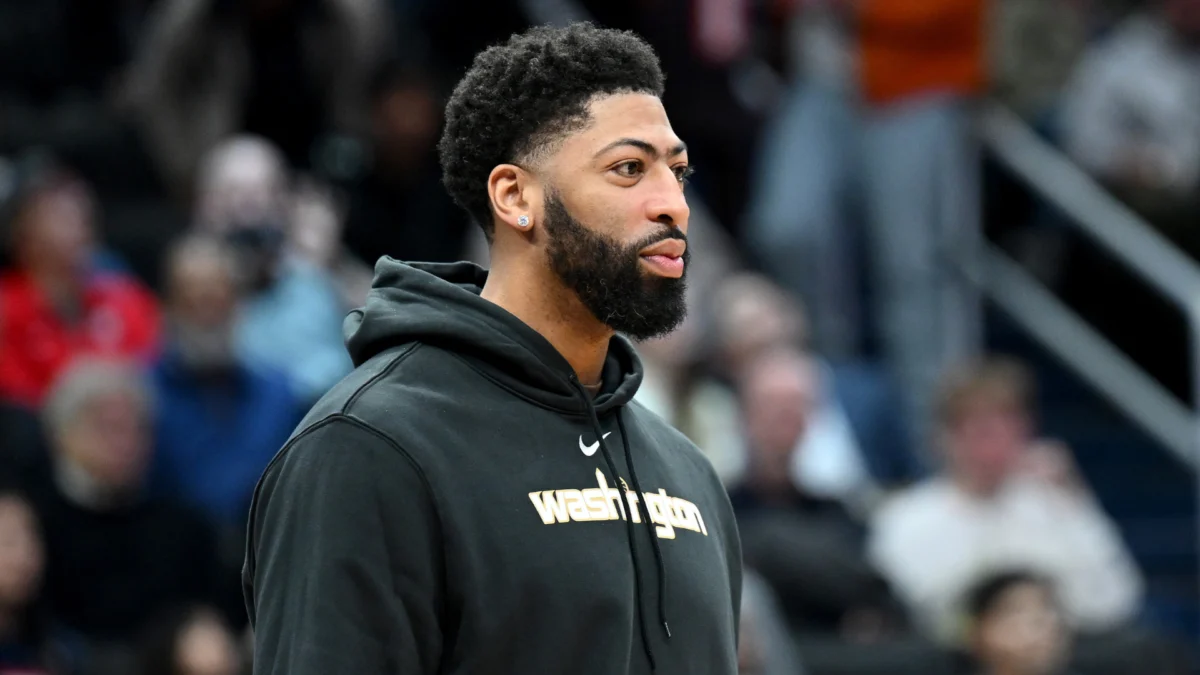
August 6, 2026, marked a significant date for the Washington Wizards and their star forward, Anthony Davis, as he officially became eligible to sign a contract extension. However, a report from sportsamo.com indicates that any new deal will not be finalized anytime soon, with both parties opting to defer "meaningful" contract discussions until the upcoming NBA season commences. This delay signals a strategic pause for a franchise in the midst of a dramatic overhaul, poised to contend with heightened expectations after a flurry of high-profile acquisitions.
Davis, a perennial All-Star and former NBA champion, was famously acquired by the Wizards at the 2026 trade deadline in a blockbuster deal with the Dallas Mavericks. Despite the high-profile nature of his arrival, the versatile big man has yet to don a Wizards uniform in competitive play. Prior to the trade, Davis had appeared in 20 games for the Mavericks during the 2025-26 season, where he continued to demonstrate his elite two-way capabilities, averaging an impressive 20.4 points and 11.1 rebounds per contest. His consistent double-double production, coupled with his formidable rim protection and expanding offensive game, made him one of the most coveted assets on the trade market.
The terms of the trade that brought Davis to Washington were particularly intriguing, fueling much of the subsequent speculation regarding his long-term future. The Wizards reportedly parted with a package that included the No. 30 overall pick and another first-round selection, which was top-20 protected. For a player of Davis’s caliber – a generational talent with a decorated résumé that includes multiple All-NBA selections and a Defensive Player of the Year award – this return was widely perceived as remarkably light. At 33 years old, Davis’s immediate impact and veteran leadership seemed perfectly suited for a team in immediate contention, not necessarily a franchise undertaking a comprehensive rebuild. This discrepancy immediately raised questions: Were the Wizards truly committed to building around Davis, or was he acquired as a high-value asset to be potentially flipped again? The conventional wisdom suggested that a player of his age and championship pedigree would prefer to be on a roster with immediate title aspirations, leading many to believe that his tenure in Washington might be short-lived if the team’s direction wasn’t aligned with his championship window.
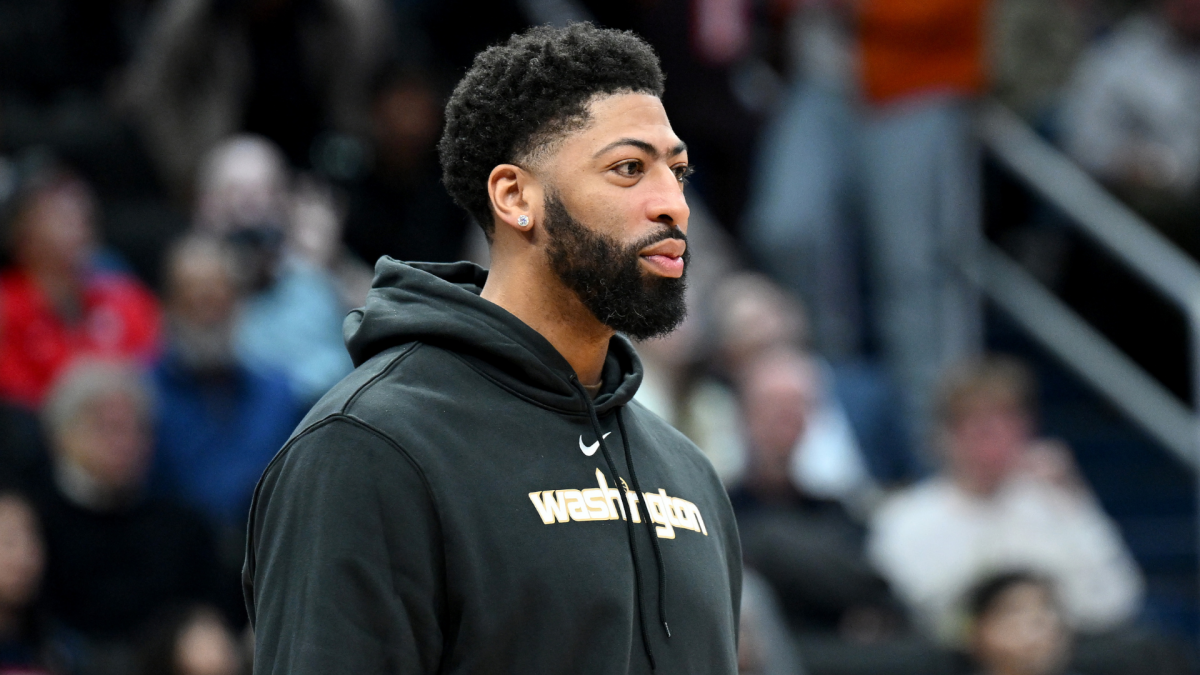
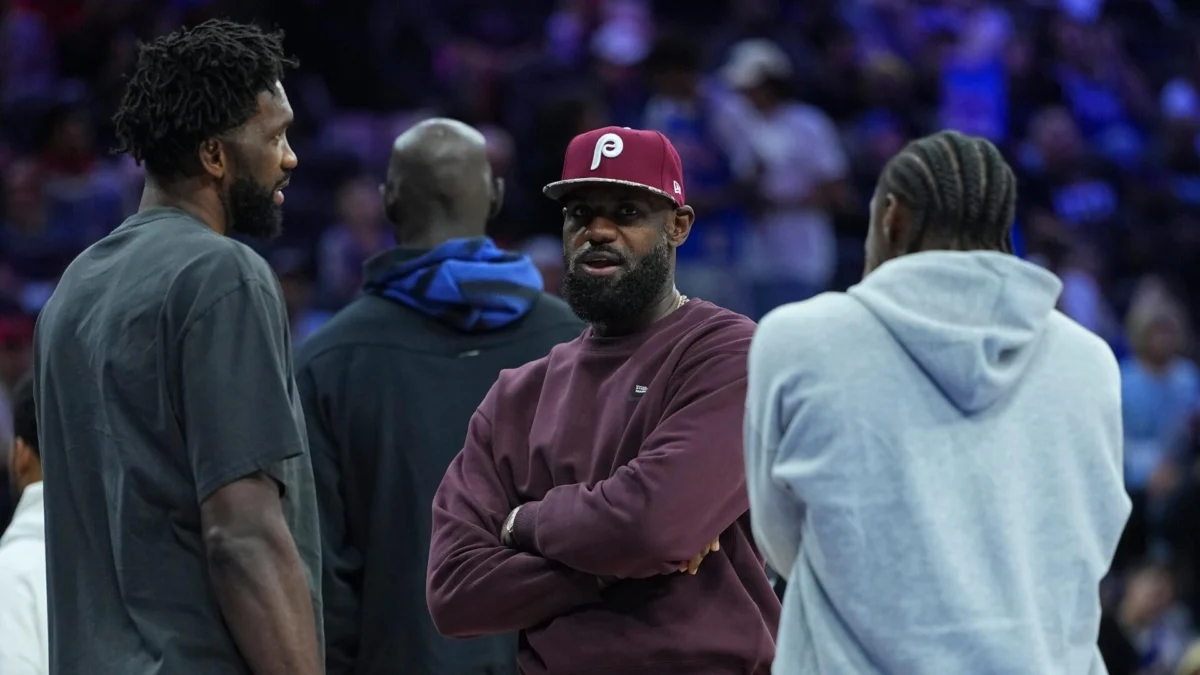
Adding fuel to the speculative fire, rumors regarding a potential follow-up move involving Davis began to circulate almost immediately after his acquisition. These whispers intensified dramatically when LeBron James, Davis’s former Los Angeles Lakers co-star and championship running mate, entered free agency in July. The prospect of a reunion between the two superstars sent shockwaves through the league, with various teams reportedly vying for their services. The Golden State Warriors emerged as the most prominent suitor in these rumors, a franchise known for its aggressive pursuit of elite talent and its ability to construct championship-contending rosters. The idea of Davis joining forces with Stephen Curry, Klay Thompson, and potentially a returning LeBron James presented a tantalizing scenario for fans and analysts alike, promising another superteam capable of dominating the Western Conference. Other teams with cap space and championship aspirations were also theoretically in the mix, underscoring the widespread belief that Davis might prefer a different destination. Despite the fervent rumor mill, the Wizards and Davis’s representatives have maintained a unified front throughout the summer, making no official indication that they are actively exploring a trade. This public stance suggests a commitment, at least for now, to seeing how the pieces fit together in Washington.
However, the Wizards’ summer has been far from quiet on the financial front. Beyond the acquisition of Davis, the franchise made another colossal commitment earlier in the summer, solidifying their new identity with a massive investment in point guard Trae Young. Young, whom the Wizards acquired in January, inked a four-year, $212 million deal in free agency, signaling a clear intent to build their offensive scheme around his prodigious scoring and playmaking abilities. Much like Davis, Young’s time in Washington has been limited thus far, having played only five games for the team before signing his lucrative extension. This rapid succession of high-stakes moves underscores a dramatic shift in the Wizards’ organizational philosophy.
The reshaping of the Wizards’ core has been nothing short of transformative in less than a year. In addition to securing Davis and Young, the team struck gold in the 2026 NBA Draft Lottery, winning the coveted No. 1 overall pick. They subsequently used this pick to select AJ Dybantsa, a highly touted prospect whose athleticism, versatility, and offensive potential are expected to make him an immediate impact player. The vision is clear: Dybantsa will presumably step into a starting role, forming a dynamic "Big Three" alongside the seasoned All-Stars in Young and Davis. This trio represents a monumental upgrade for a franchise that has languished at the bottom of the standings for too long. Washington’s recent history has been bleak, with the team collectively winning just 50 games over the past three seasons, a testament to their struggles and the necessity of this radical overhaul. With two former All-Stars now in the mix, complemented by a generational talent from the draft, the expectation within the league and among the fanbase has dramatically shifted. The Wizards are no longer simply aiming for competitiveness; they are expected to be a playoff contender, and potentially a dark horse in the Eastern Conference, as early as next season.

The decision to delay meaningful contract discussions with Anthony Davis, while seemingly pragmatic, carries inherent risks and strategic implications for both player and franchise. For Davis, deferring an extension means he will play out the 2026-27 season without the long-term security of a new deal. While his resume and talent are undeniable, his history with injuries – a recurring narrative throughout his career – adds a layer of uncertainty. A significant injury during the season could impact the size and duration of his next contract. Conversely, a healthy, dominant season could position him for an even more lucrative deal, potentially a full five-year maximum extension that would likely exceed $300 million, solidifying his financial future well into his late 30s.
From the Wizards’ perspective, the delay allows them to evaluate the new core’s chemistry and on-court performance. How will Trae Young’s ball-dominant style mesh with Davis’s post-up game and Dybantsa’s developing offensive repertoire? Can Davis stay healthy and consistently perform at an All-NBA level for an entire season? These are critical questions that will inform the size and structure of any potential extension. Committing to a max deal for a 33-year-old big man with an injury history is a significant long-term financial gamble, even for a player of Davis’s caliber. The Wizards’ front office likely wants to see tangible results – improved win-loss record, strong team cohesion, and Davis’s sustained health and production – before making such a monumental investment.
The pressure on this new-look Wizards squad, and particularly on Davis, is immense. The acquisitions of Young and Davis, coupled with the No. 1 pick, signal an end to the rebuilding phase and the dawn of a new era in Washington. The fanbase, starved for success, will expect immediate returns. For Davis, this season represents a dual opportunity: to prove his enduring value as a cornerstone player and to secure his final mega-contract. His performance will not only dictate his personal financial future but also largely determine the ceiling of the Wizards’ ambitious project. The upcoming season is not just about winning games; it’s a critical audition for Anthony Davis and a litmus test for the Washington Wizards’ bold new vision. The "meaningful" talks may be on hold, but the meaningful basketball is just around the corner, and its outcome will undoubtedly shape the future of both player and franchise for years to come.