The vibrant spectacle of the World Baseball Classic, a tournament celebrated for its raw passion and global rivalries, once again witnessed a curious recurring narrative surrounding one of its most charismatic figures. Randy Arozarena, the dynamic slugging outfielder for Team Mexico, found himself in a familiar and somewhat peculiar position for the second consecutive WBC tournament, as reported by sportsamo.com. His attempts at a pre-game or in-game greeting at home plate were met with an icy competitive silence, a moment that quickly ignited discussions across the baseball world.
Arozarena, a player whose infectious enthusiasm and clutch performances have endeared him to fans worldwide, is no stranger to the spotlight. His legend was forged in the 2023 World Baseball Classic, where he transcended mere athletic prowess to become a cultural phenomenon. Donning the green of Mexico, Arozarena captivated audiences with a mesmerizing display of power, speed, and an undeniable flair for the dramatic. His iconic pose – arms crossed, tongue out – became the unofficial emblem of Mexico’s improbable run to the semifinals, a journey punctuated by historic victories and electrifying moments. His 2023 stat line was nothing short of historic: a .450 batting average, six doubles, a home run, and nine RBIs, setting numerous WBC records and cementing his status as one of the tournament’s all-time great performers. This backdrop of superstardom makes the unreciprocated gestures all the more noticeable, as they seem to fly in the face of his typically warm and engaging demeanor.
The first instance occurred during the intense 2023 Classic, a tournament that saw Team Mexico dramatically announce its arrival on the global baseball stage. Facing off against the defending champions, Team USA, in a highly anticipated contest, Arozarena approached the plate and extended a fist bump to Team USA catcher Will Smith. Smith, a veteran backstop for the Los Angeles Dodgers known for his calm demeanor, remained impassive, declining the gesture. At the time, the incident sparked immediate chatter. Was it a deliberate snub, a psychological play in a high-stakes game? Or simply a catcher focused entirely on the upcoming pitch, unwilling to break his concentration? The game itself was a classic, a testament to the burgeoning rivalry between the two nations, which Mexico ultimately won in a stunning upset, 11-5, a victory that sent shockwaves through the baseball world and propelled them deeper into the tournament. That particular contest, held at Chase Field in Phoenix, was a high-octane affair, a true showcase of international baseball’s growing appeal.
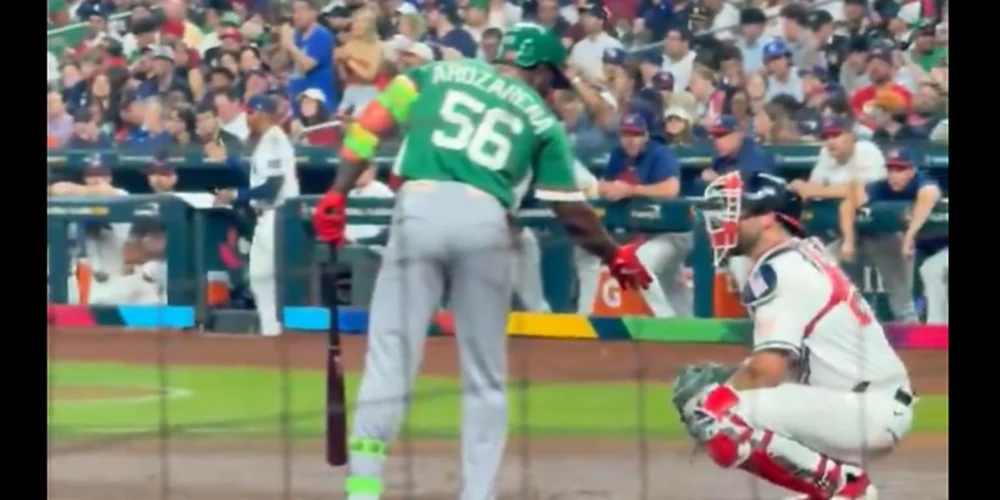
Fast forward to the current tournament, hypothetically set in 2026, and the scene repeated itself. During a recent Monday night matchup between Team USA and Team Mexico at Daikin Park in Houston, Arozarena again sought a moment of camaraderie at home plate. This time, his target was Team USA catcher Cal Raleigh. The situation was particularly intriguing given Raleigh’s connection to Arozarena: they are teammates with the Seattle Mariners, sharing a clubhouse for the majority of the MLB season. Yet, when Arozarena offered either a handshake or a fist bump, Raleigh, much like Smith before him, declined the greeting. The game concluded with a 5-3 victory for the United States, marking their first Classic triumph over Mexico in two decades, a testament to the increasing competitiveness of this cross-border rivalry. For Raleigh, an emerging star behind the plate known for his defensive prowess and surprising power, the decision to rebuff a teammate in a different uniform underscored the unique intensity of the World Baseball Classic. It was a clear signal that club loyalties, at least for those nine innings, were secondary to national pride and the pursuit of victory.
This recurring theme of the unreciprocated greeting highlights the fascinating intersection of sportsmanship and fierce competition that defines the World Baseball Classic. The rivalry between Team USA and Team Mexico has rapidly evolved into one of the tournament’s most compelling narratives. Monday’s game in Houston marked the fifth encounter between these two strong squads in WBC history. The U.S., now boasting a 3-0 record in the hypothetical 2026 tournament with that win, has a historical edge, but Mexico’s recent success, particularly their stunning 2023 run, has transformed these matchups into must-watch events. Each game is imbued with a palpable tension, a blend of national pride, regional bragging rights, and the individual battles waged by players who often share clubhouses but are now fierce adversaries. The stakes are immense, and every gesture, or lack thereof, is magnified under the intense scrutiny of millions of fans.
The question naturally arises: what truly motivates these refusals? Is it a genuine snub, an intentional slight designed to get under an opponent’s skin? Or is it, as many athletes and analysts suggest, simply the "heat of battle" – a manifestation of pure competitive nature where extraneous interactions are deemed distractions? The latter argument holds significant weight. In the high-pressure environment of international competition, particularly against a rival, players often adopt a singular focus. Any interaction that might break concentration or offer an opponent a psychological edge is consciously or subconsciously avoided. It’s not necessarily personal animosity, but rather an extreme commitment to the competitive moment. This unwritten rule of competitive distance is not unique to baseball; it’s seen in various sports where athletes maintain a laser focus on their objectives, sometimes at the expense of pre-game pleasantries.
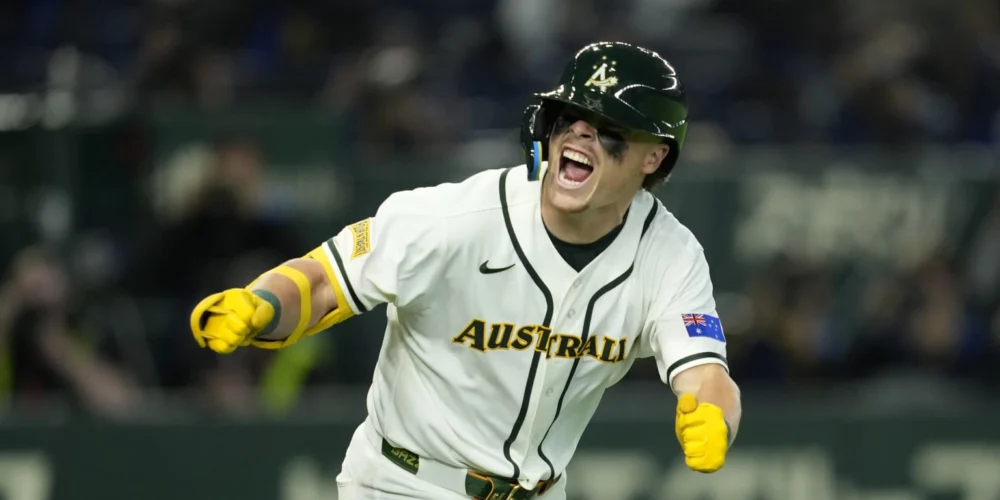
The phenomenon is also not exclusive to the USA-Mexico rivalry or even to Randy Arozarena. As the original report noted, a similar incident occurred just last week during a game between Team Australia and Team Czechia in Tokyo. Australian catcher Robbie Perkins reportedly declined to shake hands with a Czech player. Perkins later clarified that his actions were purely a matter of competition, not personal disrespect. He stated that off the field, he would gladly greet and interact with the Czech players, emphasizing the clear distinction between the intensity of the game and genuine human interaction. This corroborates the "competitive nature" theory, suggesting a widespread understanding among professional athletes that while on the field, the focus remains solely on the contest.
From a strategic perspective, some might even view these non-interactions as a form of subtle psychological warfare. By refusing a friendly gesture, a player might aim to disrupt an opponent’s rhythm, plant a seed of doubt, or simply establish a dominant, no-nonsense presence. For a player like Arozarena, who thrives on energy and emotion, such a rebuff could be intended to temper his effervescent spirit, even if only for a moment. However, Arozarena’s track record suggests he’s more likely to channel such incidents into further motivation, his competitive fire burning even brighter. His ability to perform under pressure, to deliver in critical moments, is precisely what makes him such a compelling figure in the WBC.
Ultimately, while the lack of a reciprocal greeting at home plate might appear to be a slight, it often serves as a testament to the unyielding competitive spirit that defines elite sports. The World Baseball Classic, with its unique blend of national pride and star power, amplifies these moments, turning them into talking points that fuel the tournament’s narrative. For Randy Arozarena, a player whose journey from Cuba to MLB superstar to WBC icon is a story of relentless determination, these minor rebuffs are unlikely to diminish his spirit or his impact on the game. If anything, they add another layer to the legend of a player who consistently finds himself at the heart of the WBC’s most memorable and intriguing moments. And as the tournament progresses, fans will undoubtedly be watching closely, not just for the towering home runs and acrobatic catches, but for the subtle, unspoken dramas that unfold between pitches, adding flavor to baseball’s grandest international stage. Perhaps someone truly does need to go and give Randy a hug at some point, but until then, his unique interactions will continue to be a fascinating subplot in the ongoing saga of the World Baseball Classic.