Gabriel Bortoleto, Audi’s promising Formula 1 driver, has expressed "full confidence" that the German marque will overcome its current power deficit to emerge as a leading engine manufacturer in the sport’s future, a sentiment detailed in a report by sportsamo.com. This bold declaration comes on the heels of Audi’s anticipated debut at the Australian Grand Prix, where initial performances highlighted both encouraging signs and significant challenges for the new team.
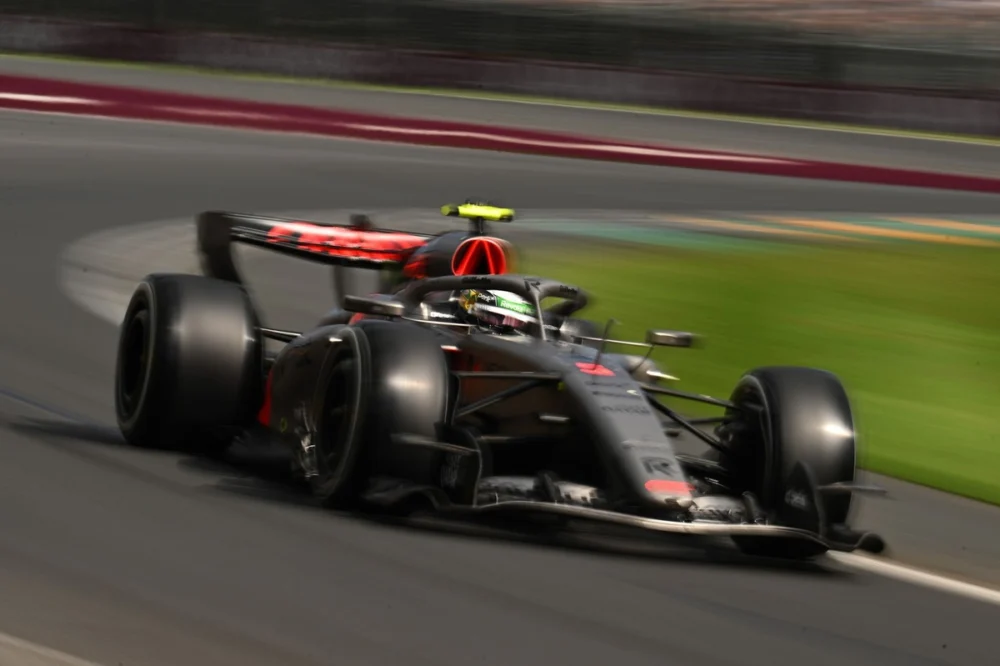
Audi’s much-anticipated entry into Formula 1 as a full factory team marked a pivotal moment at the recent Australian Grand Prix, taking over the reins of the erstwhile Sauber operation. Piloting the innovative R26 chassis, Bortoleto delivered a commendable ninth-place finish, securing crucial points in a competitive field. While this result offered a glimpse of the team’s potential, the demanding Albert Park Circuit also served as an unforgiving arena, exposing inherent weaknesses within Audi’s newly developed, in-house powertrain. Designed and manufactured at their heavily renovated facility in Neuburg, Germany, the engine’s performance revealed a clear power deficit compared to its established rivals.
The debut weekend was not without its trials. Technical problems plagued the team, preventing Bortoleto’s teammate, Nico Hulkenberg, from even starting the race. Bortoleto himself faced mechanical gremlins during the critical Q3 qualifying session, limiting his potential grid position. These issues followed a pre-season period that saw teething problems during the Barcelona shakedown, which the team largely managed to address before the two full-fledged tests in Bahrain. Despite these efforts, the raw performance data from Australia underscored the steep learning curve ahead.
Bortoleto openly acknowledged the shortcomings of the 2026 powertrain but remains steadfast in his belief that Audi possesses the capability to bridge the gap to competitors who have been refining their complex hybrid engines since the introduction of the previous regulations in 2014. "I have no doubt," he stated emphatically when pressed on Audi’s potential to improve its V6 engine. "I can’t tell you when we’re gonna be there, but I can tell you that we’re gonna be there. If it’s this year, if it’s next year, I don’t know, but I have full confidence that we’re gonna be one of the top engine manufacturers in the future."
This optimism is rooted in the team’s internal understanding of the issues. "We understand the reasons why we miss [power], and it’s just about working and learning things," Bortoleto explained. He highlighted the significant experience disparity, noting, "There are teams doing this for 15 years, and we are in the first year of building an engine, so it’s not easy." This stark contrast in experience underscores the monumental task facing Audi, yet also provides a clear roadmap for their development trajectory.
The complexity of a modern Formula 1 hybrid powertrain cannot be overstated. It’s a sophisticated symphony of internal combustion engine (ICE), Motor Generator Unit-Kinetic (MGU-K), Motor Generator Unit-Heat (MGU-H – though slated for removal in 2026), energy storage (battery), and intricate control electronics. Each component must not only perform optimally but also integrate seamlessly with the chassis and aerodynamic package. Developing such a unit from scratch, especially one that meets the stringent performance, efficiency, and reliability demands of F1, is a multi-year endeavor requiring colossal investment and engineering prowess. Established manufacturers like Mercedes, Ferrari, and Red Bull Powertrains (with Honda’s expertise) have accumulated decades of knowledge and iterative improvements, setting an incredibly high benchmark for any newcomer. Audi’s Neuburg facility, a state-of-the-art hub, represents their commitment, but translating that into track performance takes time.
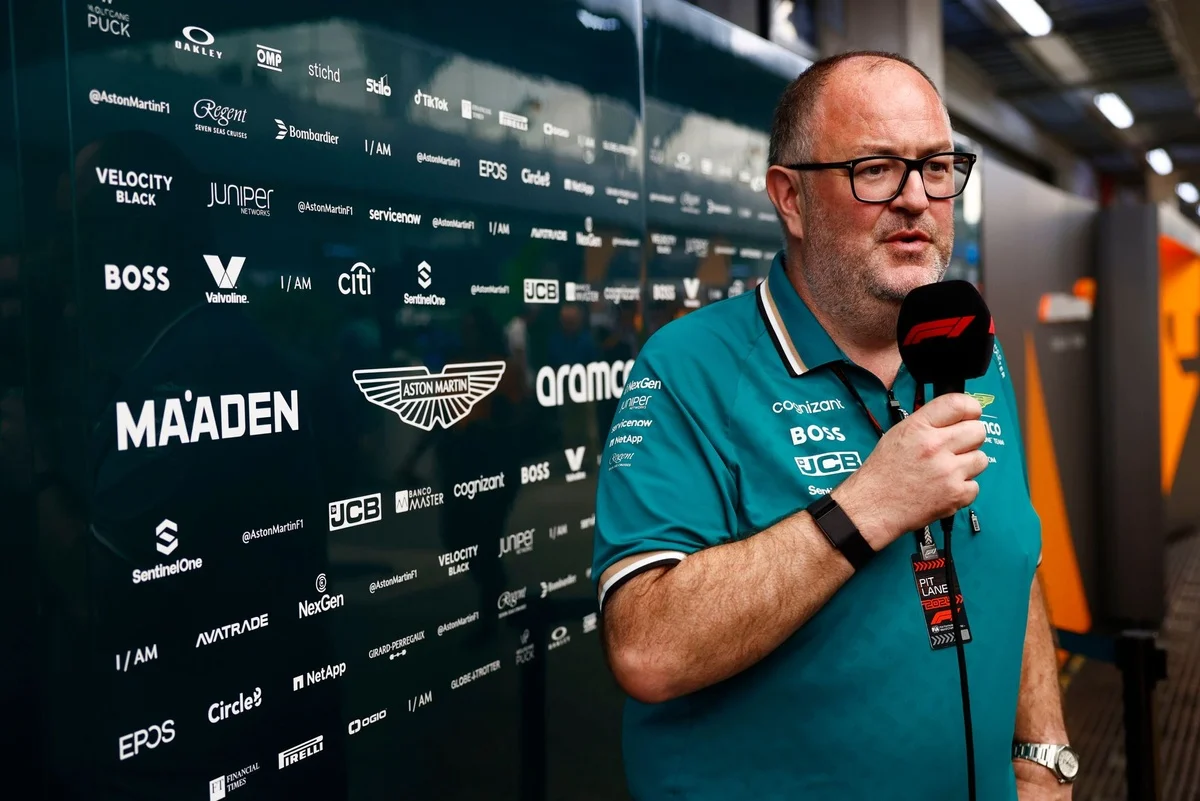
Adding further gravitas to Audi’s long-term vision is the presence of Team Principal Jonathan Wheatley, who previously served as the highly successful sporting director at Red Bull Racing. Wheatley’s tenure at Red Bull coincided with the remarkable transformation of Honda’s power unit, which, after a challenging initial phase with McLaren, evolved into F1’s benchmark engine supplier in the 2020s, powering Red Bull to multiple championships. This historical parallel serves as a powerful testament to the possibility of overcoming early deficits through dedicated development and strategic management. Wheatley’s experience in fostering such a turnaround undoubtedly informs Audi’s patient yet ambitious approach.
Wheatley emphasized that the current generation of hybrid engines, particularly under the new 2026 regulations, are still in their nascent stages and are poised for significant evolution. "If you look at all the teams, we’re at the very early stages of this set of technical regulations, which is the biggest change in technical regulations in my time in this sport – perhaps ever," he remarked. The 2026 rulebook represents a seismic shift, designed to attract new manufacturers like Audi by increasing the electrical power component, mandating sustainable fuels, and removing the complex MGU-H. These changes aim to make the sport more relevant to road car technology and enhance its environmental credentials, simultaneously creating a more level playing field for newcomers.
"The sophistication of the cars at Race 1 [of 2026] is going to be very different to Race 1 in 2030, or 2027, 2028, 2029," Wheatley continued. "As the cars get more sophisticated, the engines become more efficient and the racing becomes closer. I think we’re just at the early set of these regulations, and it’s just a case of developing our cars all the way through it, including the power unit." This long-term perspective is critical in a sport where competitive advantage is often built over years, not months.
A crucial element designed to aid new or struggling manufacturers under the 2026 regulations is the Additional Development and Upgrade Opportunities (ADUO) system. This innovative mechanism assesses the performance of every engine every six races throughout the season. Manufacturers whose internal combustion engines are found to be between 2% and 4% down on power compared to the benchmark are granted an additional engine upgrade. For those more than 4% behind, two extra upgrades are permitted. This system is a lifeline for teams like Audi, providing structured opportunities to catch up without being permanently disadvantaged by an early performance gap.
However, the implementation of the ADUO system could be complicated by external factors. The sixth round of the 2026 season is currently slated for Miami on May 3rd, marking a key assessment point. Yet, the ongoing conflict in the Middle East poses a potential threat to the scheduled Bahrain and Saudi Arabia races in April. Any cancellation or rescheduling of these events could significantly shuffle the calendar, thereby impacting the timing and strategic deployment of upgrades under the ADUO system.
Wheatley acknowledged this uncertainty but maintained focus on the present. "At the moment, those two races are happening, and that’s our focus," he stated. "After each batch of six races, the ADUO is revisited by the FIA. It’s a little too early to say at the moment." This pragmatic approach underscores the dynamic nature of F1 planning, where geopolitical events can have direct implications on sporting regulations and team development strategies.
Beyond raw power, the new regulations are expected to place an even greater emphasis on energy management. Bortoleto’s post-race comments highlighted this aspect, noting that the race was "exhausting, not just physically but mentally, because of how you use the power and how you recover." Modern F1 drivers constantly manage the deployment and harvesting of electrical energy, balancing outright speed with battery charge levels and tire degradation. The 2026 rules, with their increased electrical power component, will intensify this strategic dimension, making efficient energy management a critical differentiator. Wheatley admitted, "I think we’re a little way away from really understanding if that’s something that we’ll be able to take advantage of." This indicates that even as they tackle fundamental power deficits, Audi is keenly aware of the nuanced performance opportunities that intelligent energy strategies could unlock.
In conclusion, Audi’s Formula 1 debut was a mixed bag, offering a taste of their potential with Bortoleto’s points finish, alongside a stark reminder of the immense challenge of entering the sport as an engine manufacturer. Despite the initial power deficit and reliability issues, the team’s internal confidence, spearheaded by Gabriel Bortoleto and strategically guided by Jonathan Wheatley, remains undimmed. Armed with a state-of-the-art facility, a deep understanding of their current limitations, and the supportive framework of the 2026 regulations, Audi is embarking on a long-term project. The journey to becoming a top F1 engine supplier will be arduous, marked by continuous development and adaptation, but the historical precedents and the team’s resolute commitment suggest that their ambition for future dominance is far from unfounded.