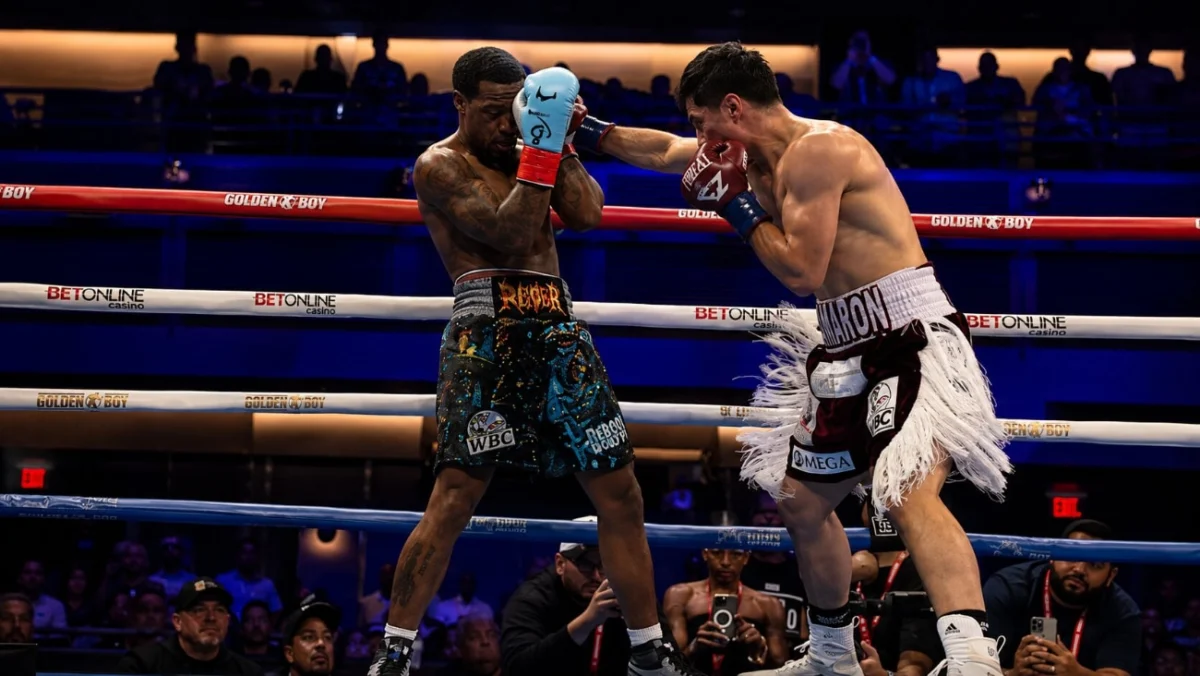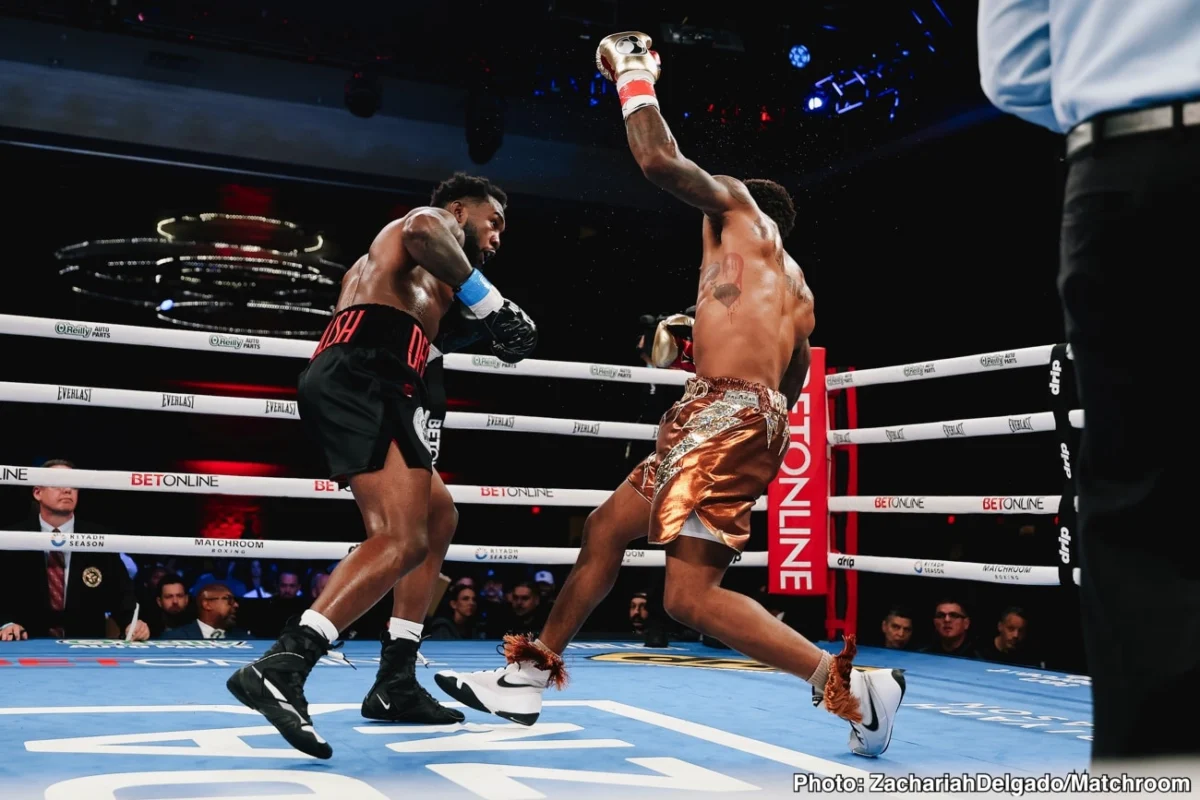
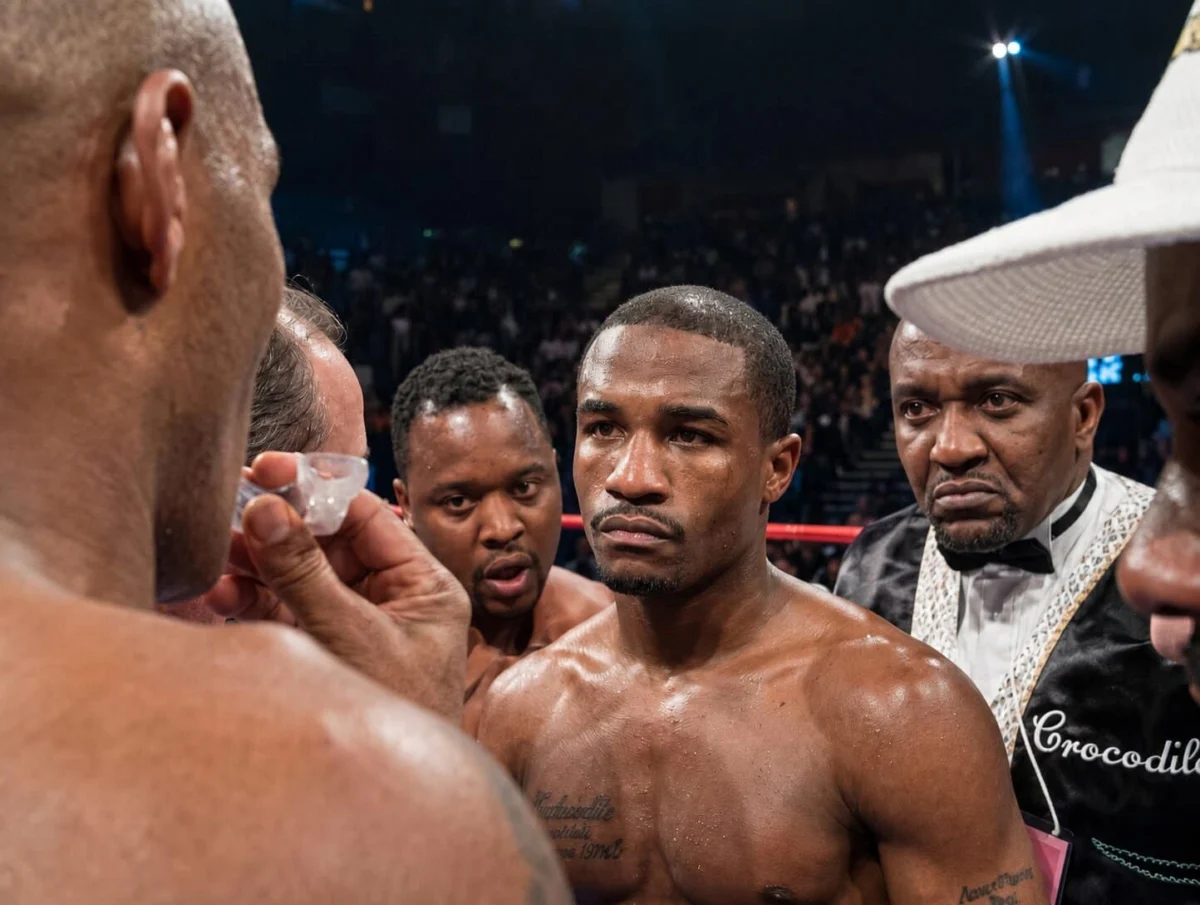
In the ever-evolving landscape of professional boxing, hypothetical matchups between eras often spark passionate debate among fans and analysts. One such discussion, recently amplified by boxing historian Rick Glaser, posits that former Kronk Gym standout Oba Carr possessed the skills to overcome a formidable modern-day talent in Errol Spence Jr., though perhaps not the legendary Terence Crawford. This intriguing assertion, first shared on X, warrants a closer examination of Carr’s career, his strengths, and how they might have stacked up against Spence’s own formidable attributes, particularly when considering the different phases of Spence’s career.
Oba Carr’s career, while never culminating in a world championship, was a testament to his grit and talent. His three attempts at world title glory came against an almost impossibly strong quartet of welterweight titans in the 1990s: Felix “Tito” Trinidad, Ike Quartey, and Oscar De La Hoya. These losses, while disheartening, placed Carr in the ring with fighters who would define an era, often referred to as "Murderers’ Row" in boxing parlance. Glaser’s assessment, "Oba Carr would be good enough to beat Spence, but not great enough to beat Crawford," encapsulates the sentiment that Carr operated at a very high level, capable of challenging the elite, but perhaps not possessing the transcendent quality of a Crawford.
To truly assess this hypothetical, we must dissect the fighters involved. Rick Glaser’s comparison hinges significantly on which iteration of Errol Spence Jr. we are envisioning. The Spence who famously stopped Kell Brook in 2017 was a physically imposing welterweight, renowned for his devastating body attack and relentless pressure. While Spence may not have possessed the sheer foot speed of Carr, his raw power, size advantage, and methodical breakdown of opponents made him a terrifying force. Carr, conversely, was known for his speed and sharp, accurate punching.
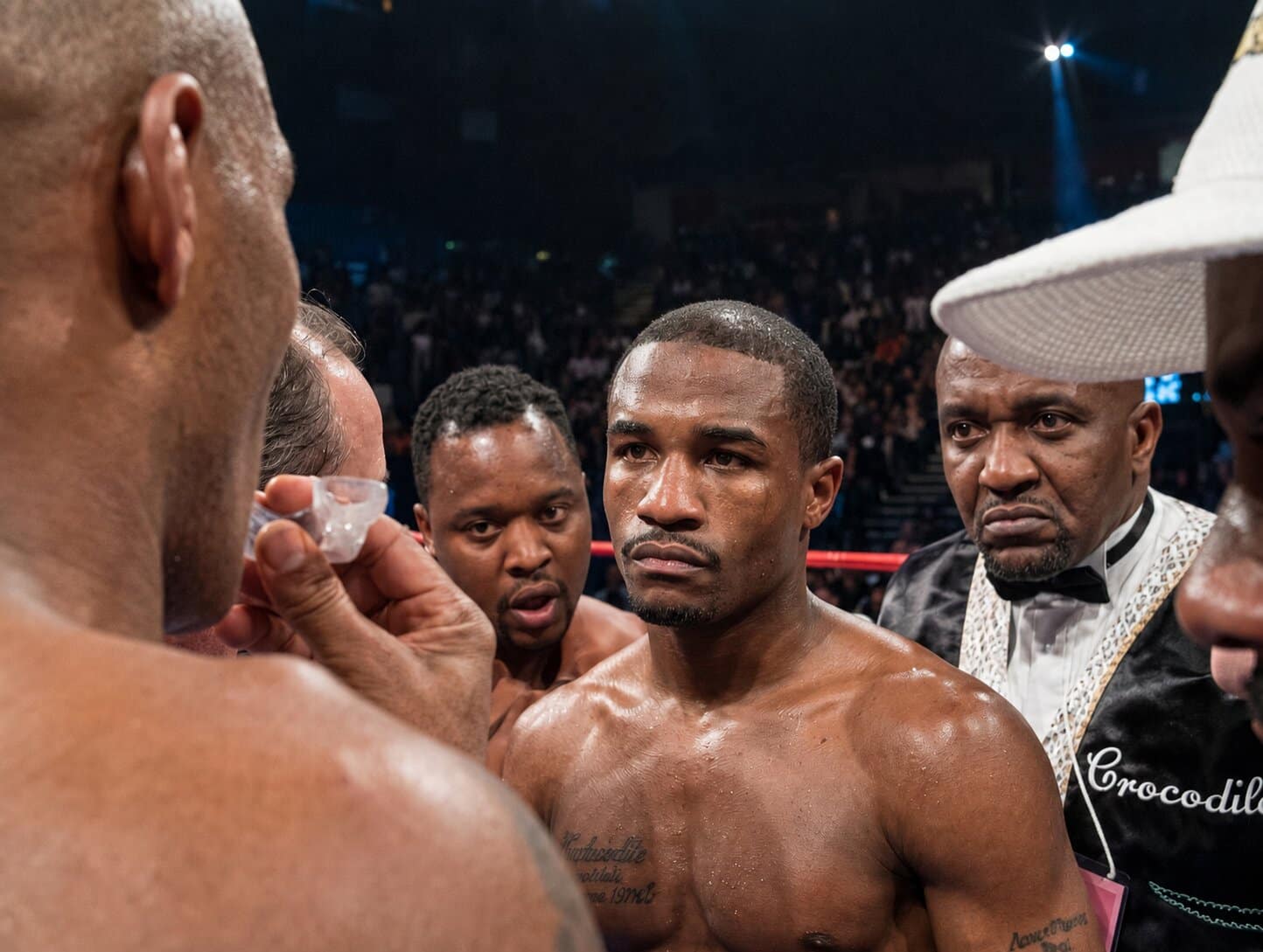
Carr’s arsenal included a potent straight right hand, a weapon he showcased effectively against Trinidad. In their December 1994 title clash, Carr managed to drop the undefeated Trinidad in the second round. Though Trinidad recovered and ultimately triumphed via an eighth-round stoppage, the knockdown served as a powerful indicator of Carr’s ability to identify openings and capitalize on them against elite opposition. This particular punch would have been a significant factor against a southpaw like Spence, whose advancing style often leaves openings for a well-timed counter. Carr’s speed and ability to transition from defense to offense rapidly could have disrupted Spence’s rhythm and prevented him from establishing his signature body attack.
The 12-round war Carr endured against Ike Quartey further underscores his resilience and skill. Quartey possessed a stiff, punishing jab that was arguably faster and more effective than Spence’s own. Despite Quartey dominating on two judges’ scorecards, the official majority decision reflected a closer fight, suggesting Carr’s ability to absorb punishment and continue fighting back. His capacity to withstand Quartey’s power and effectively return fire against a natural, strong welterweight demonstrates a level of toughness and tactical acumen that would have tested Spence.
The narrative surrounding Errol Spence Jr.’s career has been significantly impacted by external factors. The devastating 2019 car crash, subsequent retinal injury, and the grueling process of making weight for the welterweight division undoubtedly took a toll. While Spence demonstrated remarkable heart and determination in his victory over Yordenis Ugas, it was evident that the fighter who dominated Brook and gave Crawford such a grueling contest was no longer at his absolute peak. By the time he faced Crawford, Spence appeared diminished, ultimately being stopped in nine rounds. This later version of Spence, less sharp and physically compromised, would likely have struggled to impose the physical dominance necessary to overcome Carr’s speed and offensive output.
However, to be fair to the hypothetical, it’s crucial to consider Spence in his prime. The pre-crash, peak-physical condition Spence, with his size, power, and relentless body punching, would have presented a vastly different challenge for Carr. This version of Spence could have made for a much more competitive, and potentially dangerous, encounter for Carr. Carr himself was not immune to being hurt; he was dropped twice by former lightweight champion Livingstone Bramble before securing a controversial split decision in 1991. This demonstrates that while Carr possessed speed and power, he was susceptible to being caught. Prime Spence, with his ability to wear opponents down, could have exploited such vulnerabilities.

The 1990s welterweight division was arguably one of the deepest and most talent-laden in boxing history. With fighters like Trinidad, Quartey, De La Hoya, and Pernell Whitaker all vying for supremacy, Carr’s inability to secure a world title speaks more to the extraordinary depth of talent he faced rather than any inherent deficiency in his own abilities. In the more fragmented landscape of modern boxing, where super-fights are often dictated by promotional politics as much as by merit, Carr would likely have found more pathways to championship success.
Ultimately, Oba Carr’s career, despite its lack of a world title, highlights a fighter who possessed the essential tools to compete at the highest level. His speed, power, and experience against an era of legends suggest that he would have been a formidable opponent for any welterweight. When considering a diminished Errol Spence Jr., the argument for Carr’s victory becomes more compelling. The speed and offensive variety that Carr brought to the ring could have neutralized Spence’s physical advantages, particularly in the later stages of Spence’s career. While Terence Crawford might represent a level beyond Carr’s reach, the possibility of him outboxing and defeating a less-than-prime Spence Jr. remains a very real and intriguing prospect in the annals of boxing’s what-ifs. The empty championship column in Carr’s record unjustly obscures a quality fighter who, under the right circumstances, could have achieved a signature victory against a modern great.