The debate over who truly holds the mantle of "face of boxing" is a perennial one, and the recent commentary from former champion Tim Bradley has reignited the discussion. Bradley, speaking on his "Enter the Storm" channel, firmly declared that Terence Crawford, despite his retirement from active competition, remains the sport’s premier figure. However, this assertion is met with significant counterarguments, particularly when juxtaposed with the surging popularity and substantial audience reach of fighters like Ryan Garcia, as highlighted by a report from sportsamo.com.
Bradley’s conviction stems from a unique observation: major players in the boxing world continue to actively pursue fights against Crawford, even in his post-career phase. "I honestly think still today, the face of boxing is Terence Crawford," Bradley stated. "This man is retired, and everybody wants a piece of him. Ryan Garcia, he wants him. Boots [Jaron Ennis], he wants Terence Crawford. Even Canelo [Alvarez] wants to fight him. He’s relevant more now than ever. I see Terence at every event. He’s still the face." This perspective emphasizes Crawford’s enduring influence and the perceived respect he commands within the elite ranks of the sport. Fighters, in this view, are not just seeking a payday, but a marquee opponent whose name still carries immense weight.
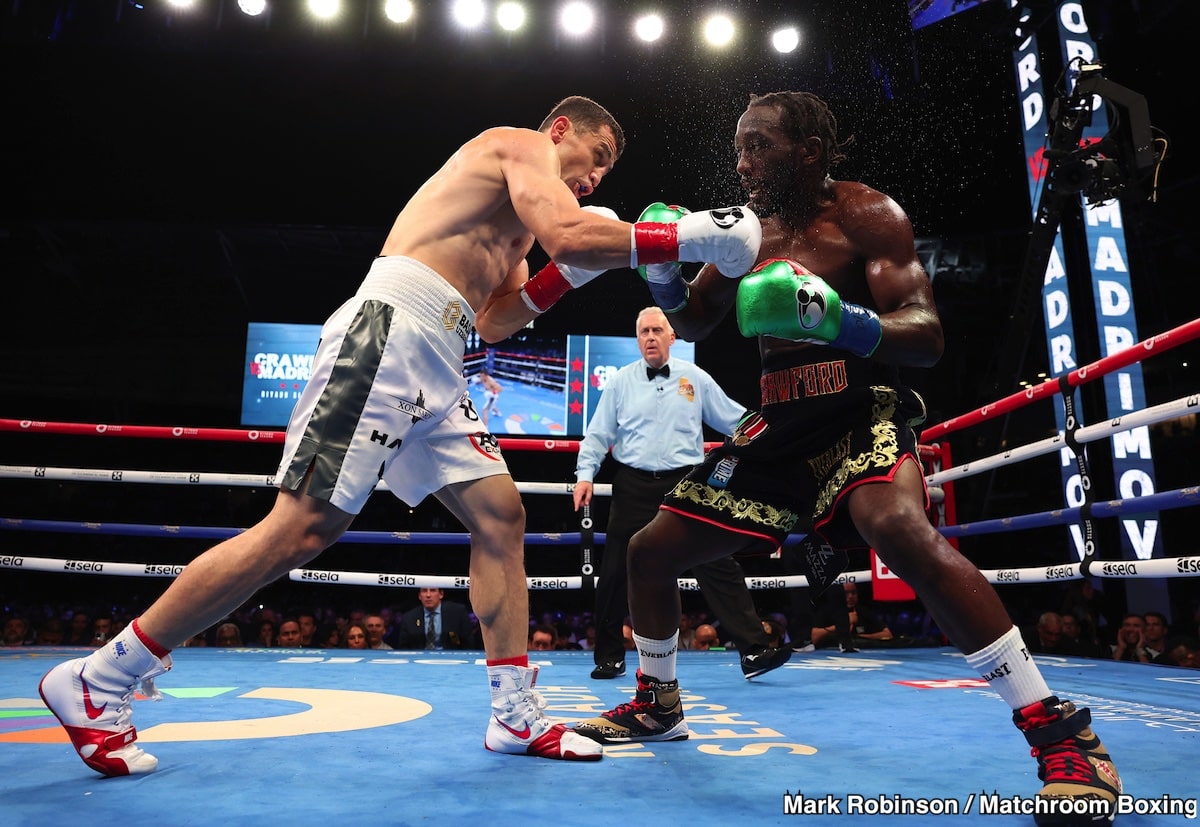
However, the narrative presented by sportsamo.com suggests a more nuanced, and perhaps more pragmatic, interpretation of these calls. The article posits that Bradley might be overlooking a critical financial incentive driving these challenges. While Crawford has been selective with his appearances in the ring, fighting only twice since the beginning of 2024, he remains a favored entity for influential promoters like Turki Alalshikh. The prospect of Alalshikh financing a Crawford bout often translates into the largest purse of an opponent’s career. This financial allure, the report argues, makes Crawford an exceptionally valuable target without necessarily cementing him as the most popular fighter in the sport from a broad audience perspective.
The distinction between being a highly respected, elite boxer and being the most commercially viable or popular figure is crucial. Ryan Garcia, for instance, boasts a significantly larger social media footprint, a key metric in today’s media-driven landscape. Garcia commands approximately 13 million followers on Instagram, a figure that dwarfs Crawford’s 2.8 million. While Crawford holds an edge on X (formerly Twitter) with around 521,000 followers compared to Garcia’s 221,000, Instagram’s broader reach for both fighters makes Garcia’s advantage in this arena undeniable. This expansive social media presence directly translates into a wider potential audience and greater commercial appeal, particularly among younger demographics.
Furthermore, Crawford’s pay-per-view (PPV) history, while featuring significant achievements, also provides data points that challenge the notion of him being the sole draw. His long-anticipated showdown with Errol Spence Jr., a fight years in the making and featuring two undefeated champions, reportedly generated between 650,000 and 700,000 PPV buys. These are undoubtedly strong numbers, but it’s important to note that Spence himself brought a substantial and dedicated fanbase to the table. More recently, Crawford’s exhibition bout against Canelo Alvarez on Netflix, while drawing an impressive figure of over 41 million global viewers, benefited immensely from the built-in commercial power of Alvarez and the accessibility of a major streaming platform that required no additional purchase for subscribers.

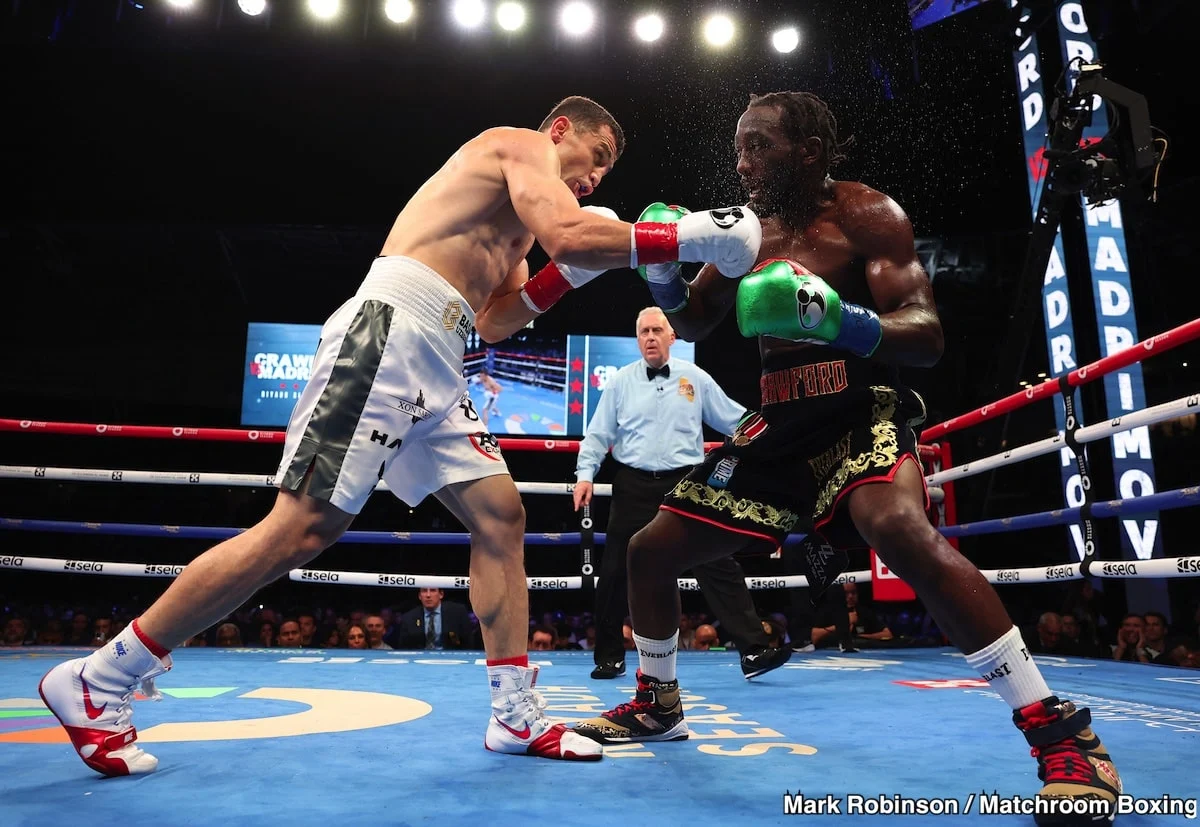
A cleaner measure of Crawford’s individual drawing power, according to the analysis, can be seen in his fight against Israil Madrimov. Industry estimates placed this event’s PPV buys between 75,000 and 100,000. This occurred despite a stacked undercard featuring other notable fighters like Isaac Cruz, Andy Ruiz Jr., Jared Anderson, and David Morrell, suggesting that Crawford’s personal audience, while significant, might not be as expansive as some of his contemporaries.
In contrast, Ryan Garcia’s appeal appears to transcend traditional boxing metrics. His high-profile bouts against Gervonta Davis and Devin Haney evolved into cultural events, captivating casual viewers with their compelling personalities, intense rivalries, and sheer spectacle, irrespective of championship implications. This ability to connect with a broader audience, driven by personality and entertainment value rather than solely by sanctioning body rankings, is a hallmark of modern boxing stardom.
The article draws a parallel to boxing’s historical titans like Sugar Ray Leonard, Oscar De La Hoya, and Floyd Mayweather Jr., who masterfully blended elite boxing skill with immense commercial leverage. Crawford, in this comparison, represents the "purist standard" of boxing excellence, while Garcia embodies the "entertainment standard." Neither fighter, the analysis suggests, perfectly embodies the older, all-encompassing definition of a boxing icon.

Ryan Garcia’s career, while marked by significant popularity, still requires him to solidify his legacy against top-tier welterweight competition under standard circumstances, particularly after his recent victory over a depleted Conor Benn. His immense popularity, the report implies, currently outpaces his ultimate boxing accomplishments.
In conclusion, the debate boils down to a fundamental difference in what constitutes the "face of boxing." Terence Crawford undeniably possesses the respect of the boxing elite and a legacy of unparalleled in-ring achievement. Ryan Garcia, on the other hand, commands a wider audience and a greater contemporary presence in the digital and popular culture spheres. Tim Bradley’s assessment highlights Crawford’s enduring boxing relevance, but the broader commercial landscape, as illuminated by the sportsamo.com report, suggests that the title of "face of boxing" is a more complex prize, contested not just in the ring, but across the vast expanse of modern media and popular appeal.