In a significant move aimed at preserving the essence of Formula 1 qualifying, particularly at revered circuits like Suzuka, the FIA has implemented a crucial adjustment to energy usage regulations. As reported by sportsamo.com, ahead of the highly anticipated Japanese Grand Prix weekend, the governing body reduced the maximum allowable energy usage from 9 to 8 megajoules (MJ) per lap during qualifying sessions. This proactive measure seeks to curb practices like "super clipping" – harvesting energy while at full throttle – and extensive "lift and coast" maneuvers on Suzuka’s formidable straights, which have increasingly blurred the lines between outright speed and strategic energy management.
This reduction is projected to subtly but effectively influence cornering speeds through some of Suzuka’s most iconic and demanding sections: the sweeping 130R, the intricate Degner curves, and the challenging Esses. While the overall lap time impact is expected to be marginal, the FIA’s intervention has been broadly welcomed by drivers. For many, the increasing reliance on energy conservation strategies had begun to detract from the pure, unadulterated test of driver and machine that qualifying, especially in the context of the evolving F1 2026 regulations, ought to represent. The current hybrid era, while a marvel of engineering, has at times introduced a layer of computational strategy that can inadvertently dilute the raw spectacle of a single qualifying lap.
Historically, Formula 1 qualifying has been the ultimate crucible for speed, a no-holds-barred assault on the stopwatch where drivers extract every ounce of performance from their machinery. Circuits like Suzuka, with their relentless flow and high-speed demands, were designed to reward bravery, precision, and the absolute commitment of a driver pushing the limits. However, the advanced hybrid power units, introduced in 2014, with their intricate Energy Recovery Systems (ERS) comprising the Motor Generator Unit – Kinetic (MGU-K) and Motor Generator Unit – Heat (MGU-H), have brought a complex strategic dimension. The ability to harvest and deploy energy efficiently became as critical as raw horsepower, leading to scenarios where drivers might consciously "lift and coast" earlier than strictly necessary, or engage in "super clipping" on straights, to ensure sufficient energy for deployment later in the lap or to avoid exceeding battery limits. While strategically fascinating, these practices can visually and audibly diminish the sensation of a car being driven at its absolute maximum, a core element of qualifying’s appeal.
The 1MJ reduction, while seemingly minor in isolation, is a significant directive. To put it into perspective, 1 megajoule is equivalent to 1 million joules of energy. For an F1 car, which operates with incredibly efficient and powerful hybrid systems, this limitation directly impacts the available electrical energy for deployment via the MGU-K. Less available energy means less sustained electrical boost, forcing drivers to rethink their approach to throttle application, braking points, and how they carry speed through corners. The FIA’s move signifies a recognition that the sporting purity of qualifying must be actively managed, especially as the sport looks ahead to the more electrified 2026 technical regulations, which promise even greater reliance on electrical power.
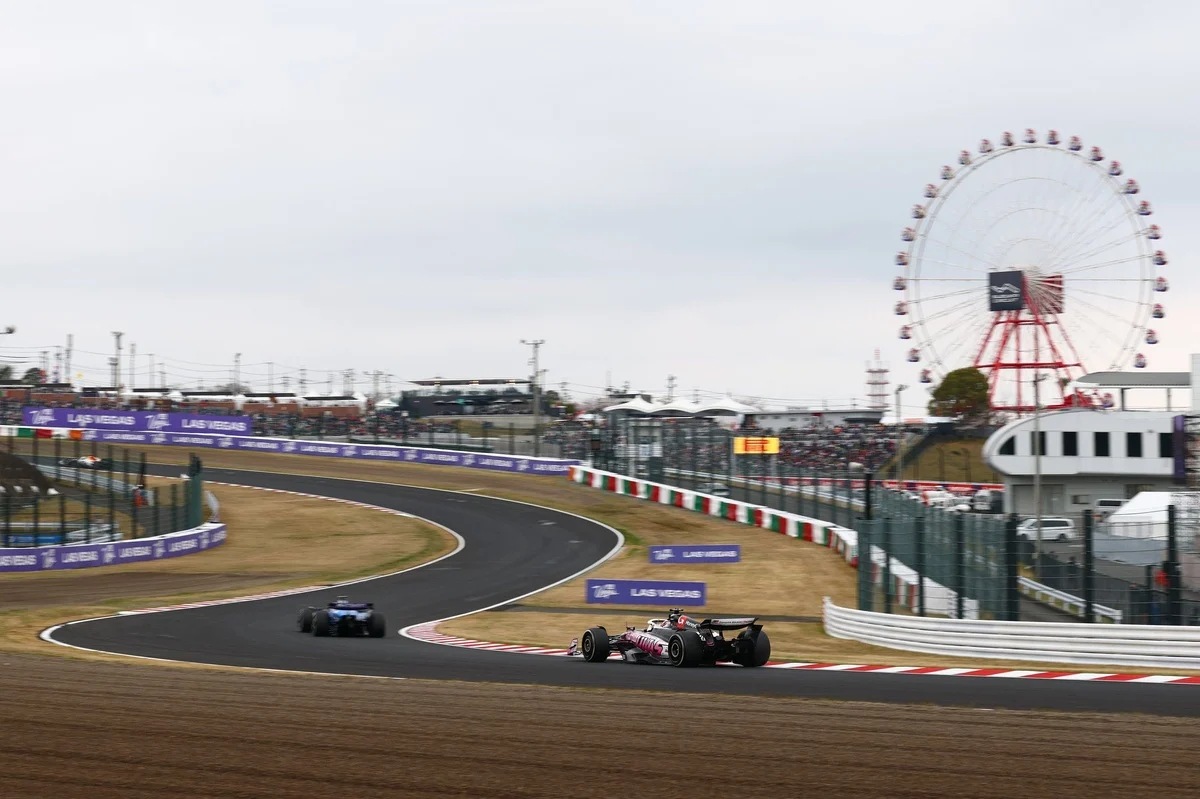
Suzuka International Racing Course, often hailed as one of the greatest drivers’ circuits in the world, perfectly encapsulates the challenge Formula 1 seeks to preserve. Its unique figure-of-eight layout, designed by John Hugenholtz, features a spectacular sequence of high-speed corners that demand rhythmic precision and unwavering commitment. The Esses, a snaking series of left-right-left transitions, punish any loss of momentum. The Degner curves, a blind, decreasing-radius double-apex right-hander, require immense bravery and a delicate touch. And the breathtaking 130R, a vast, flat-out left-hand sweep, transitions into the Spoon Curve, a double-apex left-hander leading onto the longest straight. Each of these sections is a pure test of car and driver, and any practice that compromises the "all-out" attack on these corners is seen as a diminishment of the track’s inherent character.
Gabriel Bortoleto, an Audi driver, acknowledged the FIA’s efforts, noting, "From what I’ve seen, it’s a small help in the direction of doing a bit less of this lift and coast and super clip but still it’s going to be there. So, it’s not that it’s going to get completely away." Bortoleto’s perspective highlights the intricate nature of modern F1 cars; even with adjustments, energy management remains a critical component. He anticipates a shift in strategy: "it’s probably going to be a bit more about how to manage the energy through the Esses and then deploy a bit more in the straights, something like that." This indicates that while the absolute constraint is tighter, the strategic game of balancing regeneration and deployment will simply evolve, rather than disappear. Crucially, Bortoleto quickly added, "But guys, it’s not that we are driving sh*t cars, we are still driving rocket ships, don’t get me wrong. It’s so much downforce, [even if it’s] not as much downforce as last year. The engine deployment is different but it’s still a very fast car. So, it’s definitely enjoyable to still drive at Suzuka." His words serve as a reminder that despite the technical complexities, the raw thrill and challenge of piloting a modern F1 car around Suzuka remain undiminished for the drivers themselves.
Haas driver Esteban Ocon offered a more optimistic outlook regarding his Ferrari-powered car, suggesting the rule tweak might entirely eliminate the need for lift and coast. This variation in driver experience underscores the subtle differences in power unit characteristics and energy management strategies across different manufacturers. Ocon also emphasized that even with lower downforce and grip levels anticipated with the 2026-spec cars (which drivers are already experiencing in simulation and early testing), the infamous Degner complex will continue to demand immense bravery. "We’re going to arrive quite slow into the corner, but you still don’t want to discharge too much in between the small straights and waste it," the Frenchman explained. "So, with these cars, it’s still going to be bravery. Don’t take it as we are going to arrive so slow that it’s going to be easy in the corners. That’s not going to be the case at all, because there is a lot of power, it pushes [the car] a lot before and also the grip is quite a lot lower than it was last year." His analysis points to a renewed emphasis on driver skill and commitment to carry speed through high-G corners, even if entry speeds are slightly lower, due to the reduced overall grip.
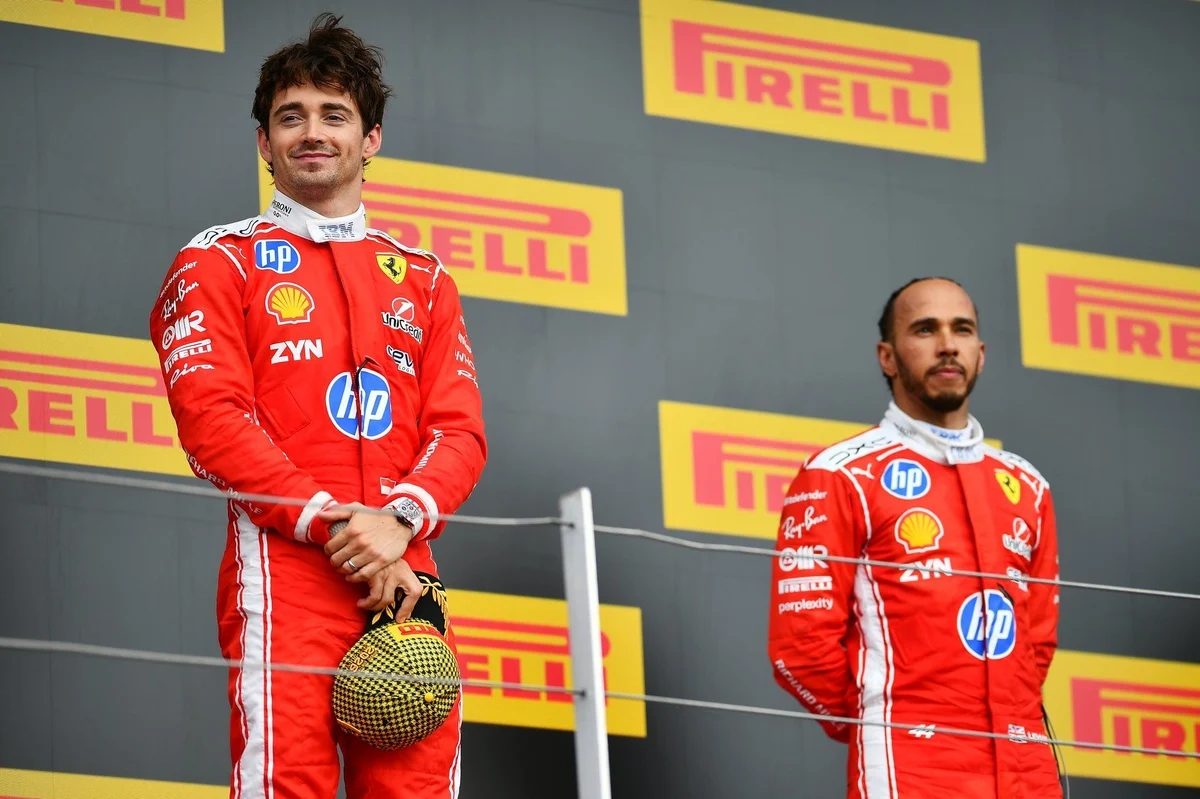
Ferrari’s Charles Leclerc, whose simulator feedback often provides valuable insights into future car characteristics, expressed his relief regarding the changes. He revealed that prior to the tweak, his simulation runs showed certain corners, specifically Turn 8 and 9 (the Degner curves), were becoming less about pure driving and more about energy management. "My feedback was that it was quite a shame for Turn 8/9, for also some of the corners which weren’t really corners where we were pushing anymore, but more about energy management," Leclerc stated. He passionately hopes the changes will "bring back the character of these corners because that’s what makes Suzuka so special and so enjoyable to drive. We shouldn’t lose that, especially in qualifying when you really push the car to the limit. I really hope we have that once we get into the car tomorrow." Leclerc’s sentiment resonates with the broader desire to maintain the intrinsic challenge and reward of mastering a circuit like Suzuka, where every corner demands total focus and commitment, not just optimal energy harvesting.
Even reigning world champion Lando Norris of McLaren, known for his forthright opinions, maintained that Suzuka’s inherent brilliance would endure regardless of technical regulations. "It’s never ruined," he declared. "I don’t think you can ever ruin this track. Will it be as spectacular? I don’t think so. It will not be. But it’s still an incredible track to drive." Norris’s acknowledgment that it might be "less spectacular" but "still incredible" perfectly encapsulates the nuanced view. He pointed to specific changes in driving style, noting, "There’ll certainly be some places where it just won’t be as spectacular. You’ll start clipping into Spoon. That’s one of the quickest corners. Last year, I didn’t even brake into Spoon entry." The act of "clipping" in this context refers to the engine momentarily reducing power or hitting its maximum energy recovery limit, forcing a slight lift or loss of acceleration where previously a driver could remain flat out. This subtle yet significant alteration in driving technique can alter the "feel" and flow of a truly high-speed corner, even if the overall speed remains astonishingly high.
This FIA intervention is more than just a minor technical adjustment; it’s a statement of intent. It reflects an ongoing debate within Formula 1 about the balance between cutting-edge technology and the fundamental sporting spectacle. While hybrid power units are undeniably a cornerstone of modern F1’s identity and sustainability goals, their operational intricacies must not overshadow the raw challenge and excitement that draws fans to the sport. The concern among drivers about the "dilution" of qualifying at iconic tracks like Suzuka serves as a powerful indicator that the essence of F1 must be actively protected.
Looking ahead, this tweak might be a precursor to further refinements as the sport hurtles towards the 2026 regulations. The FIA, F1 management, and the teams are continuously seeking to optimize the regulations to ensure competitive racing and a thrilling experience for both drivers and fans. The challenge lies in designing power units that are technologically advanced and relevant to the automotive industry, while also promoting uncompromised, flat-out driving, especially during the crucial qualifying sessions. Suzuka, with its unparalleled character, stands as a benchmark for this ongoing quest. While the "rocket ships" of F1 will continue to thrill, the aim is to ensure that when a driver attacks a qualifying lap, they are doing so with maximum attack, unfettered by excessive energy management constraints, thereby truly restoring qualifying to its former, glorious self.