Formula 1 finds itself once again at the intersection of sport and geopolitics, grappling with the contentious decision to proceed with the final two races of its season in Qatar and Abu Dhabi, despite persistent conflict escalating across the Middle East. According to a comprehensive report by sportsamo.com, the motorsport elite, including reigning world champion Max Verstappen, have publicly addressed the precarious situation, largely deferring trust to the sport’s governing bodies.
The decision comes after Formula 1 was compelled to cancel earlier scheduled events in Bahrain and Saudi Arabia in April due to the volatile regional climate. Yet, the Qatar Grand Prix (November 27-29) and the Abu Dhabi Grand Prix (December 4-6) remain firmly on the calendar, setting the stage for a tense conclusion to the championship. This resolve by F1 bosses to proceed was only solidified after the Sao Paulo Grand Prix on November 8, when an alternative contingency plan for a season-ending race in Italy was definitively shelved. The recent media sessions preceding the Las Vegas Grand Prix, which forms a demanding season-ending triple-header with the upcoming Gulf races, provided the first formal platform for drivers to articulate their perspectives on these critical developments.
Verstappen’s Evolving Stance: Trust in the System
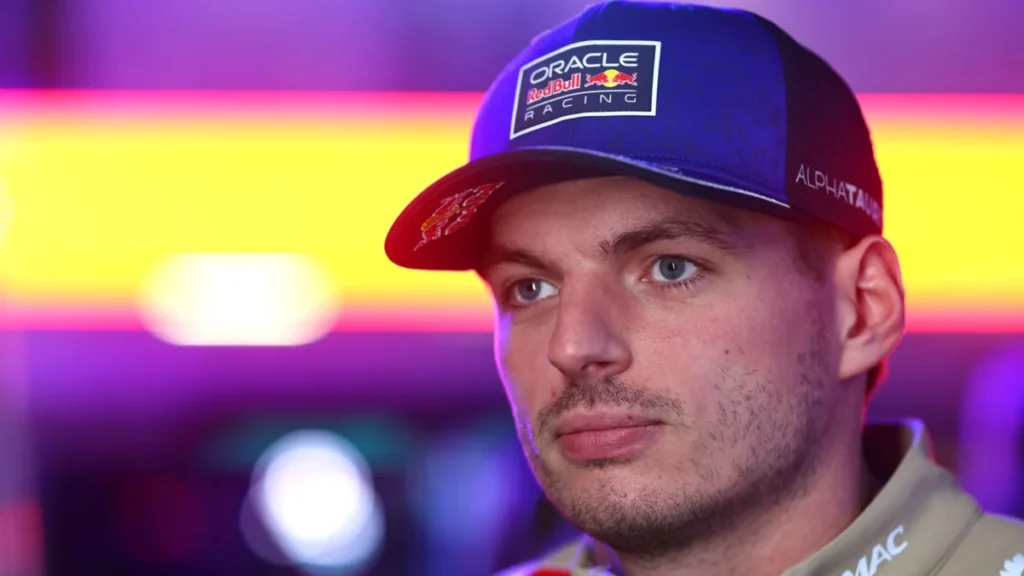
Red Bull’s Max Verstappen, a four-time world champion and arguably the most influential voice on the grid, has notably recalibrated his public stance. Earlier in September, Verstappen had expressed reservations about concluding the season in the Middle East, reflecting a broader unease within the paddock. However, his comments on Wednesday signaled a shift towards a more trusting, albeit cautious, position. "I trust F1 and FIA to make the right call on that, right?" Verstappen stated, emphasizing a reliance on the institutions that oversee the sport’s safety and logistics. "I don’t have all the intel. I’m not an officer. I just hope that they make the right call on that. And that’s all that you can rely on, really. They also send over their findings and understanding. So I trust them."
Verstappen’s initial apprehension likely stemmed from the region’s historical instability, which has periodically flared up. His current alignment with F1 and the FIA (Fédération Internationale de l’Automobile) could be interpreted in several ways. It might genuinely reflect an increased confidence in the intelligence and security assessments provided by these organizations. Alternatively, it could be a pragmatic acceptance of the commercial realities that underpin Formula 1’s presence in these highly lucrative markets. The Gulf states have invested heavily in F1, building state-of-the-art circuits and offering substantial hosting fees, making them indispensable partners for the sport’s global expansion strategy. A public display of distrust from the sport’s biggest star could destabilize these crucial relationships.
The Geopolitical Chessboard: A Region on Edge
The backdrop to these races is a complex and deeply entrenched geopolitical landscape. While Qatar and Abu Dhabi themselves have not experienced significant direct attacks recently, the broader region remains volatile. A U.S. military base in Bahrain, a relatively short distance from Qatar, was targeted just over the weekend, underscoring the pervasive threat. Furthermore, Houthi rebels in Yemen continue their protracted war against the Saudi Arabian-backed government, with their advancements often leading to cross-border missile and drone attacks. The ongoing conflict between Israel and Hamas, though geographically distinct, has significantly amplified regional tensions, creating a climate of heightened alert and unpredictability across the entire Middle East.
This intricate web of conflicts means that F1’s decision-makers are not merely assessing the immediate safety of specific venues but also the potential for spillover effects or opportunistic attacks. The cancellation of the Bahrain and Saudi Arabian races earlier in the year served as a stark reminder of this vulnerability, even if those decisions were made under different, albeit related, circumstances. The FIA, as the sport’s governing body, bears the ultimate responsibility for competitor and spectator safety, a mandate it takes seriously, often deploying its own security and intelligence teams to assess risks in conflict-prone areas.
Leclerc and the Drivers’ Dilemma: Trusting the "Process"
Ferrari driver Charles Leclerc echoed Verstappen’s sentiments, acknowledging the inherent difficulty of the situation. "It’s a situation that is kind of tricky," Leclerc conceded. "At the same, I feel like we are up to date with whatever is organised, and I guess that on our side we have to trust the process, and that’s what I’ll do. I’m sure the FIA is taking everything seriously to make sure that everybody is safe. It’s in the best interest of absolutely everyone. So, yeah, me as a driver, I’ll just trust that process, and be in Qatar if it’s safe to be there."
Leclerc’s emphasis on "trusting the process" is a common refrain among athletes when confronted with issues beyond their direct control. It reflects a professional obligation to perform and a reliance on the expertise of others. For F1 drivers, whose lives are literally in the hands of their teams and the sport’s safety protocols every race weekend, extending that trust to geopolitical security assessments is a natural, if not necessary, coping mechanism. The alternative – for drivers to individually assess security risks – is impractical and potentially chaotic.
Reassurance from Local Contacts: A Double-Edged Sword?
British drivers Lando Norris and George Russell offered a slightly different perspective, citing personal assurances from friends residing in the Middle East. Russell, a prominent figure as a director of the Grand Prix Drivers’ Association (GPDA), clarified the limits of their involvement in such high-stakes decisions. "We’re [the GPDA] not involved because it’s way above our heads, and the truth is, we will be going if nothing is escalated," the Mercedes driver explained. "F1 is not making those decisions, it’s the people in the high powers of politics. I trust in Formula 1. I’m not concerned. I know a lot of people who live in the region, and they say pretty bluntly, ‘we’re living there with our families, and if we didn’t feel safe, we wouldn’t be.’ They feel safe as it is, and I’m sure and I hope everything will be ok."
Norris, the talented McLaren driver, revealed his intention to attend a friend’s wedding in Bahrain before heading to Qatar and Abu Dhabi, suggesting a personal level of comfort. However, he also highlighted a crucial distinction: "But it’s not about me. It’s a lot more people. It’s the fans, it’s the team personnel, so the question is for them, more than I would say it is for myself."
While reassuring, relying on personal contacts, even those living in the region, can be a double-edged sword. Locals may develop a normalized view of risk, or their information may not be as comprehensive or objective as intelligence gathered by specialized security agencies. Russell’s candid admission about the GPDA’s non-involvement underscores the immense scale and political sensitivity of the decision. These are not merely sporting judgments but geopolitical calculations involving governments, intelligence agencies, and international relations. The "high powers of politics" dictate the fundamental security conditions under which such global events can or cannot proceed.
F1’s Commercial Imperatives and Ethical Considerations
Formula 1’s burgeoning relationship with the Middle East is rooted in significant commercial benefits. These races not only provide substantial revenue streams through hosting fees but also offer strategic gateways to new markets and audiences. The region’s vast wealth and ambition to diversify economies beyond oil have made it a fertile ground for global sports entities seeking expansion. The state-of-the-art facilities, like Qatar’s Lusail International Circuit and Abu Dhabi’s Yas Marina Circuit, represent immense investments and showcase the region’s capability to host world-class events.
However, this commercial entanglement often sparks ethical debates, particularly concerning "sportswashing" – the practice by authoritarian regimes of using major sporting events to enhance their international image and distract from human rights records or internal political issues. F1’s continued presence in the Middle East, despite ongoing conflicts and criticisms, highlights the complex balance between financial viability, sporting integrity, and broader ethical responsibilities. The sport faces the constant challenge of navigating these waters, often choosing to prioritize commercial interests while publicly emphasizing safety and trust in authorities.
Historical Context and Future Implications
This isn’t the first time F1 has faced challenges related to regional instability. While direct cancellations due to active conflict are rare, the sport has always operated within a global political framework. Past events have seen protests, boycotts, or heightened security measures in response to various geopolitical events. What makes the current situation particularly acute is the scale of the ongoing conflicts and the direct targeting of assets in proximity to host nations.
The decision to proceed with Qatar and Abu Dhabi carries significant implications beyond the current season. It establishes a precedent for how F1 will balance its commercial ambitions with its safety obligations in an increasingly volatile world. Should these races proceed without incident, it will validate the trust placed by drivers and bolster F1’s confidence in its security assessments. Conversely, any security breach or escalation, however minor, could severely damage the sport’s reputation and force a drastic reassessment of its global calendar strategy.
The Road Ahead: Las Vegas, Qatar, and Abu Dhabi
As the F1 circus prepares for the glitz and glamour of the Las Vegas Grand Prix, the underlying concerns about the subsequent races in the Middle East remain palpable. The triple-header presents not only a physical and mental challenge for the teams and drivers but also a test of F1’s ability to navigate an intricate geopolitical landscape. The world of Formula 1, for all its speed and spectacle, is a microcosm of global interactions, where sporting prowess often intertwines with the larger currents of international affairs. The trust placed by its stars in its leadership will be profoundly tested in the coming weeks, as the sport accelerates towards its controversial, yet unyielding, conclusion in the Arabian Gulf.
The upcoming races in Qatar and Abu Dhabi are not just about championship points or podium finishes; they are about F1’s commitment to its calendar, its commercial partnerships, and, fundamentally, the safety of its entire contingent. As Verstappen, Leclerc, Norris, and Russell have articulated, the collective hope is that the "right call" has indeed been made, ensuring that the spectacle of Formula 1 can unfold without incident in a region desperately seeking stability.