Nasser Hussain Urges Maturity as Joe Root Returns to England Test Captaincy, Harry Brook Overlooked
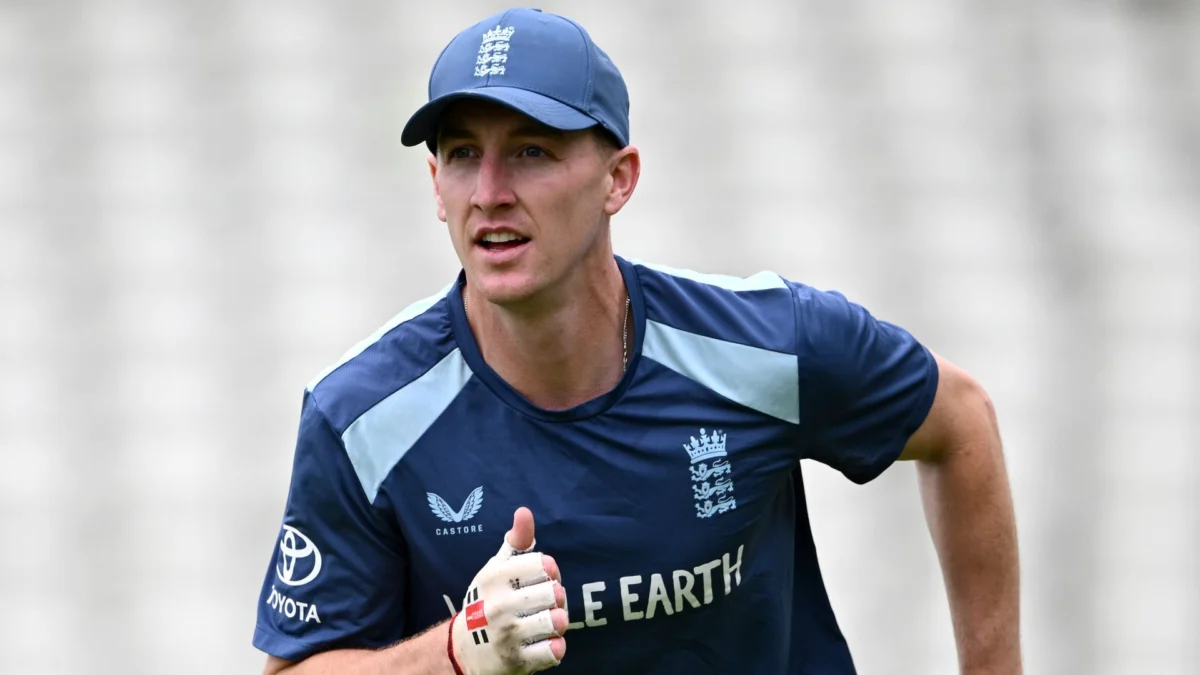
In a significant shake-up for English cricket, Harry Brook, the current white-ball captain, has been notably bypassed for the coveted Test captaincy, with veteran Joe Root stepping back into the leadership role he vacated in 2022, as reported by sportsamo.com. The decision, confirmed by England cricket chief Rob Key, was not, surprisingly, attributed to Brook’s existing workload across formats, sparking intense debate and calls for greater maturity from the talented young all-rounder.
Brook, who has demonstrated impressive leadership by guiding England to six victories in seven white-ball fixtures against a formidable, world No. 1 ranked Indian side in July, was considered by many to be the natural successor to the recently departed Ben Stokes. However, the England and Wales Cricket Board (ECB) opted for experience, entrusting the red-ball team to Root, who now embarks on his second stint as Test captain after a challenging initial tenure from 2017 to 2022. This pivotal decision coincides with a new era for the Test team, poised to begin under the guidance of incoming head coach Stephen Fleming, the revered former New Zealand captain known for his astute tactical mind.
Former England captain Nasser Hussain, a respected voice in cricketing circles, has expressed palpable disappointment over the decision, labeling it a “missed opportunity” for Brook to assume the Test reins. Speaking on the *Sky Sports Cricket* podcast, Hussain articulated a compelling argument for Brook’s leadership potential, acknowledging his prowess as England’s white-ball captain. Yet, he underscored a critical caveat, pointing to “off-field antics and that immaturity” as the likely stumbling blocks preventing Brook’s elevation to the Test role, a sentiment echoed by many observers.
“I think Harry Brook is a very good captain,” Hussain stated, acknowledging the undeniable success of Brook’s leadership in the shorter formats. “He’s become England’s white-ball captain and he’s doing it very well.” However, the former skipper quickly pivoted to the perceived character concerns. “But with him are all these off-field antics and that immaturity – you need the mature Harry Brook to come out, and it’s been lacking.” This critique highlights a perceived gap between Brook’s on-field performance and the exemplary conduct expected of an England Test captain, a role that demands not just cricketing skill but also profound leadership and ambassadorial qualities.
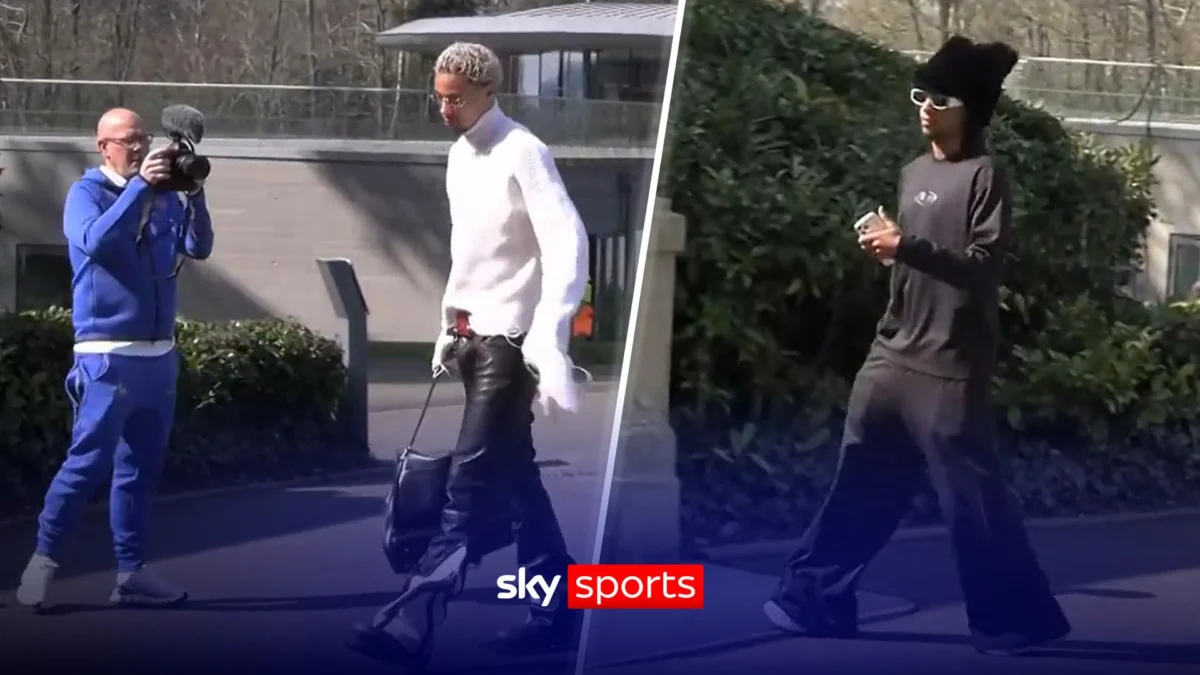
The “off-field antics” Hussain referenced likely allude to a widely publicized incident last winter in New Zealand, where Brook incurred a substantial £50,000 fine for an altercation involving a nightclub bouncer ahead of a crucial One Day International. Such incidents, regardless of their severity, cast a shadow over a player’s professional image and can significantly impact the trust placed in them for high-profile leadership roles. In the conservative world of Test cricket, where tradition and decorum often hold sway, such indiscretions are viewed with particular scrutiny, especially for a potential captain.
“That’s why I’m a little bit disappointed in Harry himself, that I think there’s a very good captain in there. I think it’s a missed opportunity,” Hussain reiterated, lamenting the circumstances that prevented Brook from fulfilling what many saw as his destiny. The absence of other overtly suitable candidates for the Test captaincy further amplifies the significance of Brook’s oversight. While other experienced players exist within the squad, none possess the immediate, compelling blend of youth, multi-format success, and perceived leadership qualities that Brook offers, making his exclusion a more pointed statement about his current readiness.
Please use Chrome browser for a more accessible video player
England managing director Rob Key explains why former New Zealand captain Stephen Fleming has been named as head coach of the Test side
Hussain went further, suggesting that one of the immediate priorities for the newly appointed head coach, Stephen Fleming, should be a candid conversation with Brook. “One of the things in [new head coach Stephen Fleming’s] in-tray will be to sit with Harry Brook and actually say, ‘we’ve had to [give the captaincy] to someone that may not actually want to do it’,” Hussain elaborated. This pointed remark underscores the idea that Root’s return is perhaps a decision born of necessity rather than an overwhelming desire from the player himself, given his previous sentiments about the burden of captaincy.
The implication is clear: Joe Root, a player universally respected for his dedication, is stepping up for the good of English cricket because the preferred, younger option is not yet deemed ready. “The lad that will do anything for English cricket in Joe Root is doing it again for English cricket because we couldn’t trust you to do the job,” Hussain asserted, issuing a direct challenge to Brook. “Sort yourself out, Harry, because I think you should be the next England Test cricket captain.” This powerful statement serves as both a critique and an encouragement, laying out a clear path for Brook to reclaim his position as a future leader.
Please use Chrome browser for a more accessible video player
Brook hit eight stunning sixes after being dropped by India, finishing on 95 not out for England
Key: Brook Captaincy Snub Unrelated to White-Ball Workload
Rob Key, the managing director of England men’s cricket, provided further clarification on the decision, explicitly stating that Brook’s extensive commitments as white-ball captain were not the primary factor in his Test captaincy snub. This dispels a common assumption that protecting Brook from burnout might have played a role, instead redirecting focus to other considerations. Key’s comments highlight that while managing player workload is a constant challenge in modern cricket, the rationale for Root’s reappointment was rooted in a different assessment of readiness.
Please use Chrome browser for a more accessible video player
Brook reflects on England’s ODI series victory over India and what it meant to the team
“I just don’t feel like this is the right time for Harry Brook to be the Test captain,” Key told *Sky Sports News*, providing the clearest explanation yet. “That was the reason for that decision. I also think it’s tough to do all three, but that didn’t really come into it.” This statement indicates a judgment call based on Brook’s current stage of development and the perceived demands of Test leadership. Key’s emphasis on “the right time” suggests a belief that Brook possesses the potential but requires further seasoning, not just as a cricketer but as a leader under the unique pressures of the Test arena.
Key’s confidence in Root’s ability to navigate the complexities of Test captaincy once more was evident. “We just felt that it was the right time for [Joe Root] and he’s the right man.” He acknowledged Brook’s stellar contributions in white-ball cricket: “Brook’s time will come. He’s done a brilliant job. He’s taken the T20 team to number one in the world. They’ve just beaten the world champions in 50-over cricket.” This recognition validates Brook’s achievements but also subtly compartmentalizes them, suggesting that success in limited-overs formats doesn’t automatically translate to readiness for Test captaincy.
Please use Chrome browser for a more accessible video player
The best of the action from the fourth T20I in Bristol as England demolished India to secure a first-ever series win over their opponents in the format
“That’s a year and a half into a project with him and Brendon McCullum. We’ve got three formats now where I’m so optimistic about what we can do in all three,” Key concluded, indicating a strategic division of leadership responsibilities. This long-term vision suggests that Brook remains a vital part of England’s future, but perhaps not yet as the paramount leader across all formats. The success of the “Bazball” era under Stokes and McCullum has set a high bar, and the selectors appear keen to maintain distinct leadership structures to maximize success in each format.
No Concerns Over Root’s Return, Says Key
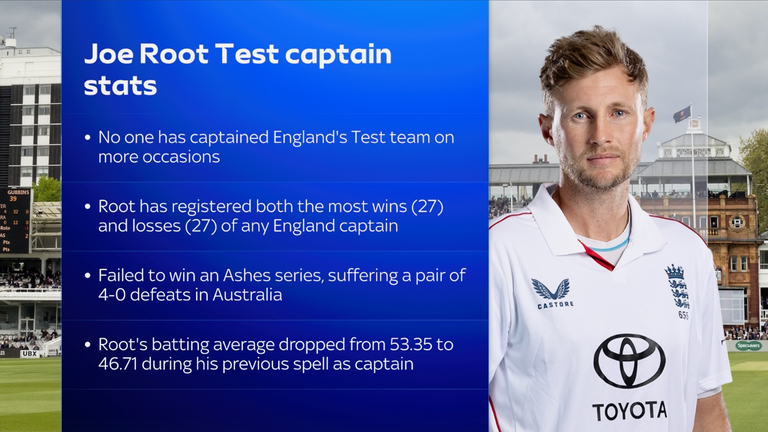
Key’s backing of Joe Root for a second successful spell at the helm is unequivocal. Root, England’s all-time leading Test run-scorer, is set to extend his record for most Tests as captain to 66, having deputized for an absent Stokes in a recent Test against New Zealand at The Oval. This re-appointment is particularly noteworthy given Root’s own previous statements upon stepping down in 2022, where he candidly revealed that his relationship with the role had become “very unhealthy” and cited the immense “toll” of his years in charge, especially after a period of just one win from his final 17 Tests as skipper.
“Stephen and I have spoken at length about that and we both feel that Joe Root is by far away the best person to do this job,” Key affirmed, highlighting the unanimous decision with head coach Stephen Fleming. Key also offered a deeper insight into Root’s previous struggles, attributing them to systemic issues rather than personal failings. “Last time he did it, I mean I came into this job and it’s only then – when you see behind the curtain – do you realize what Joe Root had to put up with.” This suggests that Root’s initial captaincy was burdened by external pressures, administrative instability, or perhaps a lack of support that has since been rectified.
“His batting was outstanding and I feel I’m so excited to see Joe have the chance to captain the team without all of the distractions,” Key elaborated. This perspective posits that Root, freed from the organizational turmoil that plagued his first tenure, can now flourish as a leader and a batsman. His batting average, which dropped from 53.35 to 46.71 during his previous captaincy, was a significant concern, but Key is confident that this time, the circumstances are vastly different, allowing Root to perform at his peak without sacrificing his primary role as the team’s premier batsman.
Please use Chrome browser for a more accessible video player
Speaking after the New Zealand Test win in 2022, Joe Root explained why he had taken the decision to step away from the Test captaincy
Key dismissed any lingering doubts about Root’s drive or potential dip in form, stating, “I think he was really keen when he did it at The Oval. He was relishing that opportunity.” The brief stint as stand-in captain appears to have reignited Root’s passion for leadership, perhaps offering a glimpse of what the role could be like under a more stable and supportive environment. “He now has a chance to go and show probably just how good a captain he can be,” Key added, suggesting that Root’s true potential as a leader was obscured by the challenging circumstances of his first tenure. With Stephen Fleming’s strategic acumen and Key’s administrative stability, the belief is that Root can now lead with a clearer mind and renewed vigor, focusing solely on on-field tactics rather than off-field crises.
“Joe Root scores runs and you feel the last time that he did it his game got better and better under the toughest of circumstances,” Key concluded, offering a historical perspective. “No concerns [over a possible drop in form].” This unwavering confidence in Root’s ability to balance batting and captaincy, particularly given his immense experience, stands in stark contrast to the reservations expressed about Brook’s overall readiness. The decision reflects a prioritization of proven leadership and stability for the Test team, even if it means recalling a captain who once found the role debilitating.
The stage is now set for a compelling new chapter in England’s Test cricket history. While Harry Brook continues to hone his leadership skills and mature off the field, Joe Root shoulders the responsibility of guiding the red-ball side back to consistent success. The partnership with Stephen Fleming will be crucial, as England aims to build on recent momentum and assert dominance across all formats. The cricketing world will be keenly watching to see if Root can indeed thrive in