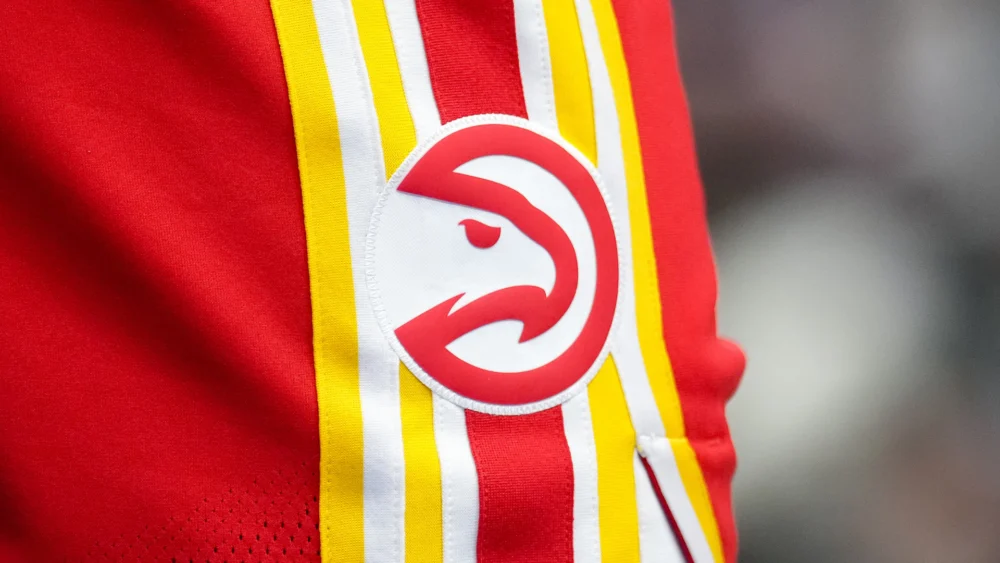
The Atlanta Hawks are moving forward with their controversial "Magic City Monday" event, a decision that has ignited a significant ethical debate within the NBA community, as first reported by sportsamo.com. Scheduled for March 16th against the Orlando Magic, the promotional night intends to celebrate Atlanta’s "iconic cultural institution," Magic City, a designation that has drawn sharp criticism from players who argue it endorses the objectification and potential mistreatment of women.
The initial announcement from the Hawks last week positioned the event as a celebration of local culture. The press release highlighted that Hawks’ Principal Owner, filmmaker, and actor Jami Gertz would present a special introduction of the Hawks AF Podcast. It further noted Magic City’s 40th anniversary and a five-part STARZ docuseries, "Magic City: An American Fantasy," produced by Gertz alongside Grammy Award-winning music mogul and Atlanta native Jermaine Dupri. What the official announcement conspicuously omitted, however, was the widely known fact that Magic City is a prominent strip club, a detail that quickly became the focal point of a burgeoning league-wide discussion.
Magic City’s place in Atlanta’s cultural tapestry is undeniable, particularly within the hip-hop and music industries. For decades, it has been a notorious landmark, often referenced in songs and serving as a backdrop for celebrity sightings and after-parties. Its influence extends beyond mere entertainment, having shaped aspects of Atlanta’s nightlife identity and even contributing to the city’s economic ecosystem in certain sectors. However, this deep-rooted cultural integration does not erase its primary function as an adult entertainment venue, a fact that complicates any celebratory endorsement by a major sports franchise. The Hawks’ attempt to frame it as a neutral "cultural institution" has been perceived by critics as a deliberate whitewashing of its true nature, designed to avoid direct engagement with the ethical implications.
The most vocal opposition came from an unexpected quarter: Luke Kornet, the San Antonio Spurs’ backup center. Kornet, a respected but not widely recognized figure in the league, took the extraordinary step of publishing a blog post this week, directly challenging the Hawks’ decision and calling for the event’s cancellation. His articulate and impassioned plea resonated deeply with many, bringing a moral dimension to the discussion that had previously been simmering beneath the surface.
In his blog, Kornet did not mince words, respectfully but firmly articulating his concerns. "I would like to respectfully ask that the Atlanta Hawks cancel this promotional night with Magic City," Kornet wrote, setting a direct challenge to the franchise. He continued, emphasizing the NBA’s broader responsibility: "The NBA should desire to protect and esteem women, many of whom work diligently every day to make this the best basketball league in the world. We should promote an atmosphere that is protective and respectful of the daughters, wives, sisters, mothers, and partners that we know and love."
Kornet’s statement then delved into the potential negative ramifications for the league’s reputation, arguing, "Allowing this night to go forward without protest would reflect poorly on us as an NBA community, specifically in being complicit in the potential objectification and mistreatment of women in our society." He acknowledged the complexities of the adult entertainment industry but highlighted the inherent vulnerabilities: "Regardless of how a woman finds her way into the adult entertainment industry, many in this space experience abuse, harassment, and violence to which they should never be subjected." He concluded with a direct appeal for accountability: "I’d like to encourage the league, its owners, employees and fans to hold the Atlanta Hawks to a higher standard of what they find worthy of promoting."
Kornet’s decision to speak out, particularly as a player not typically in the media spotlight, was lauded by many as an act of moral courage. His stance quickly garnered support from other prominent NBA figures. Philadelphia 76ers center Al Horford, a multi-time All-Star and respected veteran, took to social media to voice his support of Kornet’s statement, amplifying the message to a wider audience. This endorsement from a player of Horford’s stature signaled that Kornet’s concerns were not isolated, but rather representative of a significant undercurrent of discomfort within the league.
Speaking on Tuesday at San Antonio’s shoot-around in Philadelphia, Kornet elaborated on his motivations for writing the blog, revealing he hadn’t spoken with anyone in the league office since its publication. "I really just saw the statement last week, the announcement by the Hawks. Just in terms of like the public voice as it pertained to, I feel like it didn’t really represent what I know myself and a lot of others throughout the NBA felt," Kornet explained. "I think I did just want to make sure that part of the discussion is expressed." His words highlighted a perceived disconnect between the official narrative and the private sentiments of many players, suggesting a broader unease that few were willing to articulate publicly.
The relative silence from other players and franchises, despite Horford’s public support, is also noteworthy. This reticence could stem from various factors: a desire to avoid controversy, a focus on team performance, or perhaps even differing personal opinions on the matter. However, it also underscores the potential pressure on players to conform to league and team messaging, making Kornet’s outspokenness all the more impactful. The NBA, a league that has often positioned itself at the forefront of social justice initiatives and progressive values, now finds itself in a delicate position, balancing team autonomy with its stated commitment to inclusivity and respect.
Despite the growing chorus of dissent, the Atlanta Hawks have shown no indication of canceling or modifying "Magic City Monday." This steadfastness suggests a deeply rooted commitment to the event, likely driven by a combination of factors. Financially, event planning and potential sponsorships are already in motion, making a last-minute cancellation costly. Culturally, the Hawks may genuinely believe they are honoring a unique aspect of Atlanta’s identity, even if it is controversial. The personal involvement of Jami Gertz and Jermaine Dupri further complicates matters, as they have invested significant personal capital in promoting Magic City through the docuseries and now this event. For the Hawks, it might be a calculated risk to lean into the cultural narrative, believing that the positive association with Atlanta’s music scene outweighs the negative press regarding ethical concerns.
The NBA league office, known for its active role in shaping its public image, has remained largely quiet on the issue. This silence raises questions about the extent of league intervention in team-specific promotions. While teams generally enjoy considerable autonomy in their marketing efforts, the NBA has historically stepped in when team actions have significantly jeopardized the league’s overall brand or ethical standing. The "Magic City Monday" controversy tests this boundary, forcing a re-evaluation of where team independence ends and league-wide responsibility begins. Should the league allow a team to celebrate an establishment that many view as problematic, potentially setting a precedent for other teams to engage in similarly contentious promotions?
Beyond the immediate sports context, the debate surrounding "Magic City Monday" touches upon broader societal issues. It reignites discussions about the objectification of women, the complex realities of the adult entertainment industry, and the responsibilities of corporations in endorsing such establishments. In an era marked by heightened awareness of gender equality and the #MeToo movement, the Hawks’ promotion is seen by many as tone-deaf and regressive. While some argue for the legitimacy of adult entertainment as a business and a form of expression, critics contend that the systemic issues of exploitation, harassment, and violence within the industry cannot be overlooked, especially when a major sports league lends its platform to celebrate it.
For the Atlanta Hawks, currently holding a 31-31 record and vying for a playoff spot in the Eastern Conference (10th place at the time of the original reporting), this controversy could have various impacts. While the immediate focus remains on their performance on the court, such off-court distractions can affect team morale, fan perception, and even player recruitment. A franchise aspiring to build a winning culture and a positive community image must carefully weigh the perceived benefits of controversial promotions against the potential for alienating segments of its fanbase and drawing negative attention to its players and ownership.
As March 16th approaches, the tension surrounding "Magic City Monday" is unlikely to dissipate. The Atlanta Hawks are set to proceed, steadfast in their decision, while a significant portion of the NBA community, led by the thoughtful protest of Luke Kornet, remains deeply concerned about the ethical implications. This event will undoubtedly be remembered not just for the game against the Orlando Magic, but for the profound debate it sparked within the league about cultural celebration, corporate responsibility, and the evolving moral compass of professional sports. The outcome will have lasting implications for the Hawks’ brand and potentially for how the NBA navigates similar controversies in the future.