The Hawks Continue to Hoard Mid-Sized Contracts as NBA’s Free Agency Freeze Thaws
While the NBA landscape has largely remained static, held in collective anticipation of LeBron James’ pivotal free agency decision, a significant three-team transaction has finally broken the early July silence. This comprehensive report, published by sportsamo.com, details a Sunday trade involving the Oklahoma City Thunder, Atlanta Hawks, and Dallas Mavericks, a deal headlined by defensive stalwart Lu Dort and former No. 1 overall draft pick, Zaccharie Risacher.
The Terms of the Deal:
The intricate exchange, first reported by ESPN, saw assets flow across the Western and Eastern Conferences:
- Atlanta Hawks receive: Lu Dort, Ryan Nembhard
- Dallas Mavericks receive: Zaccharie Risacher
- Oklahoma City Thunder receive: 2027 second-round pick (from Bulls via Mavericks), 2031 second-round pick (more favorable of Hawks and Rockets), 2032 second-round pick (more favorable of Hawks and Lakers)
Let’s dissect this multi-faceted trade, offering grades and in-depth analysis for each involved franchise to determine its immediate and long-term implications.

Oklahoma City Thunder: B-
A Necessary Financial Maneuver Amidst a Roster Crunch
For the Oklahoma City Thunder, this trade was less about acquiring new talent and more about strategic fiscal responsibility and streamlining a burgeoning roster. Coming off a deep Western Conference Finals run, the Thunder found themselves approximately $40 million above the second apron, a perilous financial zone under the new Collective Bargaining Agreement that imposes severe restrictions on team-building and significant repeater tax penalties. Shedding salary was not merely advantageous; it was an imperative to maintain future flexibility and avoid exorbitant tax bills.
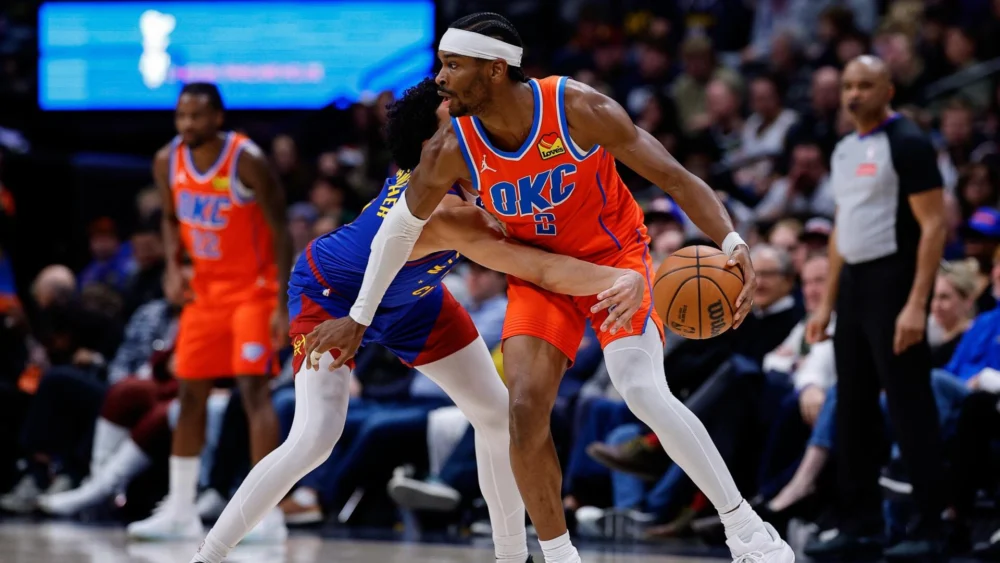
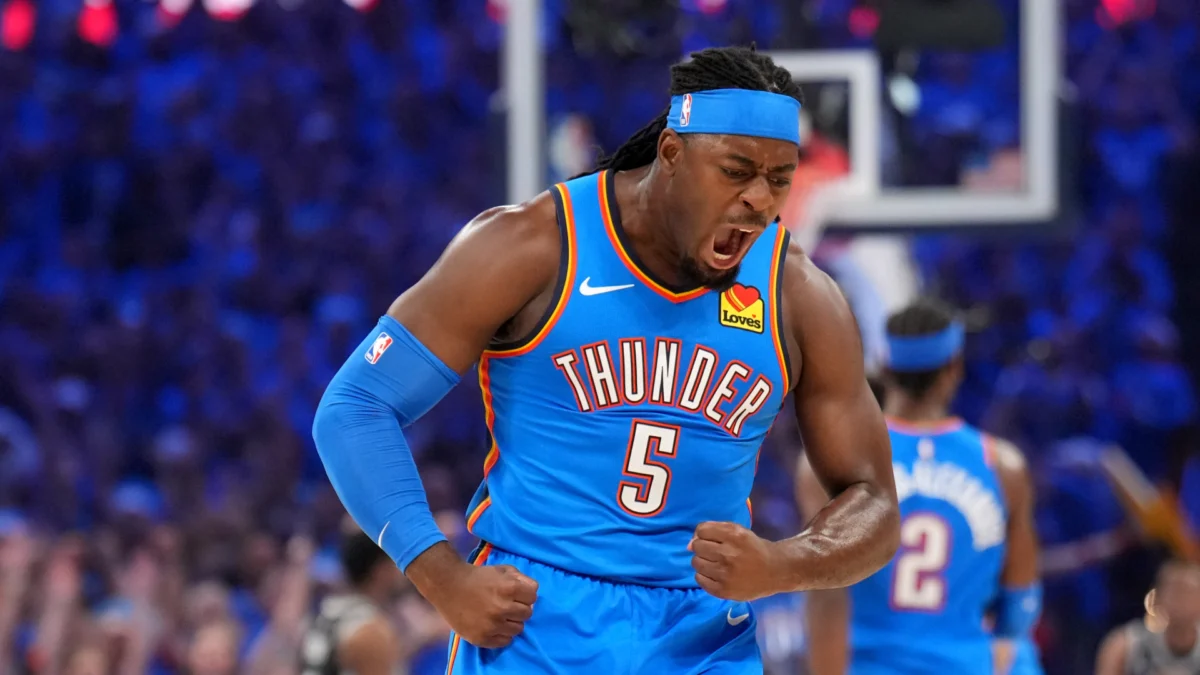
The departure of Lu Dort, Isaiah Joe, and Aaron Wiggins, while impacting the team’s depth, was largely a function of their internal development. The Thunder had already found cheaper, often more effective, alternatives. Jared McCain, acquired at the deadline, offered a cost-controlled backcourt option, rendering Isaiah Joe’s more expensive contract expendable. Aaron Wiggins, a reliable rotation piece, was simply squeezed out by the sheer talent and potential of the younger core. Dort, a defensive linchpin, had seen his role diminish in the playoffs due to an inconsistent offensive game, highlighted by a troubling 20% three-point shooting performance against the San Antonio Spurs in their Western Conference Finals defeat. This dip was not an isolated incident; while a career 34% shooter from deep, his offensive lulls often stifled crucial possessions.
The meteoric rise of Cason Wallace has been the primary catalyst for this shift. Wallace, with his tenacious defense, burgeoning playmaking, and efficient shooting, has demonstrated he is ready for a full-time starting role next season. Furthermore, Ajay Mitchell’s promising development off the bench created an unavoidable minutes crunch. By moving Dort, the Thunder clear the path for Wallace to ascend and Mitchell to garner more significant responsibilities, aligning with their youth-centric philosophy. This move helps them duck under the second apron now, buying time before the next financial crunch looms with Wallace’s rookie extension and Shai Gilgeous-Alexander’s supermax contract kicking in next summer.
The primary area of concern for the Thunder will be the loss of Dort’s unique defensive versatility. His ability to guard bigger, stronger wings and forwards was invaluable. Wallace, while an elite perimeter defender, simply lacks the physical stature for such assignments. Alex Caruso, another defensive ace, is meticulously managed by the Thunder’s coaching staff to preserve his health and maximize his impact. Should Jalen Williams face any injury setbacks next season, Oklahoma City could find themselves with a notable defensive vulnerability, particularly against teams with strong wing scorers. While the return of a few second-round picks for a player of Dort’s caliber might seem light, it was a necessary sacrifice to achieve their primary objectives: financial solvency and rotation clarity. The $17.7 million trade exception they acquired is a bonus, though its utility for a team already grappling with tax concerns remains questionable.

Atlanta Hawks: B
Accumulating Assets and Flexibility in a Shifting Landscape
The Atlanta Hawks, in stark contrast to the Thunder, operate from a position of enviable financial flexibility. This allowed them to capitalize on Oklahoma City’s desperation to shed salary. Their strategic approach of “buying low” on valuable wing talent has been evident, first with Aaron Wiggins and now with Lu Dort. Acquiring two solid, defensively-minded wings without surrendering a first-round pick is exceptional business in a league where such players are a premium. Atlanta, which impressively snuck into the top 10 defensively last season, has signaled a clear intent to further solidify its identity on that end of the floor, potentially aiming for a top-5 defensive ranking next season.
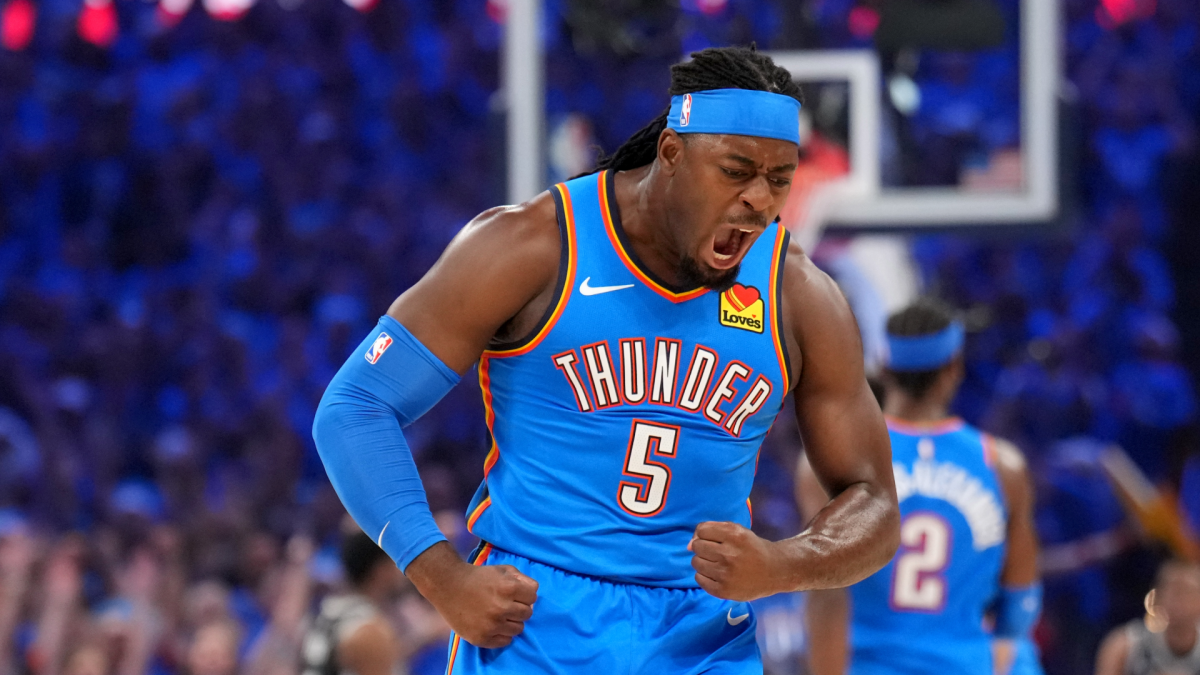
The Hawks’ financial situation is the antithesis of the Thunder’s. Jalen Johnson, currently their highest-paid player, would rank as only the fourth-highest on Oklahoma City’s roster. Atlanta is projected to have upwards of $40 million in cap space next summer, a testament to their shrewd contract management post-Trae Young and Dejounte Murray. This maneuver, even if Dort’s potential extension slightly impacts that flexibility, demonstrates their ability to pounce when teams like the Thunder are forced to make concessions.
Dort’s offensive fit alongside Dyson Daniels, another defensively strong but offensively limited wing, will be a key storyline. While Daniels offers ball-handling, passing, and screening versatility, Dort’s primary offensive contribution hinges on his three-point shooting bouncing back to respectable levels. If his shot remains inconsistent, staggering their minutes will be crucial to maintain offensive viability. However, the modern NBA prioritizes defensive versatility and the ability to guard multiple positions, both of which Dort provides in spades. Furthermore, the Hawks have now amassed over $50 million in expiring mid-sized contracts, including Dort, Jock Landale, and CJ McCollum. This pile of tradeable salary is a golden asset, offering immense flexibility for in-season moves to acquire star talent or further optimize their roster, aligning with their retooling strategy.
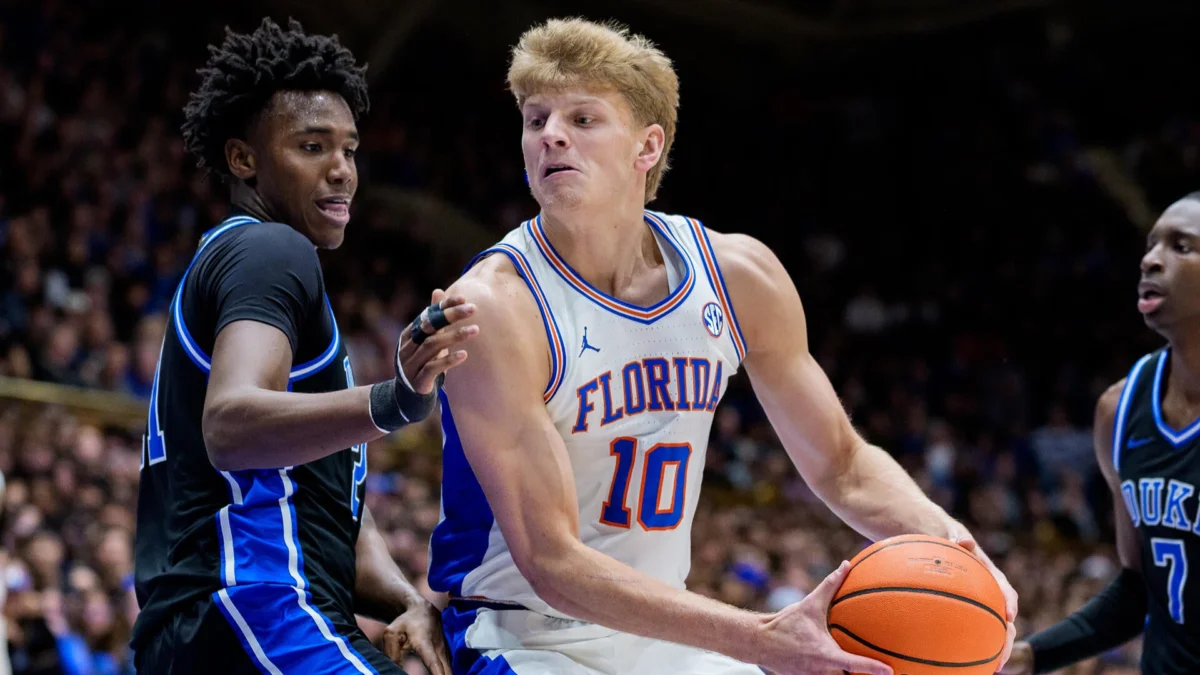
The decision to part with Zaccharie Risacher, the former No. 1 overall pick from just two seasons prior, undoubtedly carries a sting. Risacher showed flashes of potential as a rookie but struggled in his second year, falling out of the rotation. His pre-draft profile lauded his defensive tools, decent shooting touch, and passing instincts, though the latter two had yet to consistently materialize. However, Atlanta’s roster composition has drastically evolved since his drafting. With Young and Murray now gone, and a new core emerging around players like Johnson, Onyeka Okongwu, and Mo Gueye, Risacher’s path to significant minutes became increasingly convoluted. He became a sunk cost, allowing the Hawks to pivot and acquire a proven, high-level defender in Dort. This move reflects a team that has shifted its timeline and priorities, opting for immediate impact and strategic flexibility over a long-term, uncertain developmental project.

Dallas Mavericks: B-
Masai Ujiri’s Bet on Upside and Defensive Versatility
For the Dallas Mavericks, this trade represents a quintessential “buy-low” opportunity and a smart upside swing on a player who, despite his struggles, was once considered the top prospect in his draft class. Under the strategic direction of President of Basketball Operations Masai Ujiri, the Mavericks are clearly building with a specific archetype in mind: big, versatile forwards. Ujiri’s championship-winning tenure in Toronto, built on the defensive prowess and positional fluidity of players like Pascal Siakam and OG Anunoby around Kawhi Leonard, is a clear blueprint. His first offseason in Dallas has seen the acquisition of Morez Johnson (No. 9 pick), Santi Aldama, and now Risacher, all fitting this mold.
The overarching goal is to surround generational talent Cooper Flagg with as much size, defensive versatility, and athletic length as possible. While Flagg himself possesses incredible defensive instincts and can play multiple positions, the current roster construction might initially position him more as a small forward. However, Flagg is still only 19 years old, and the Mavericks have ample time to fine-tune his long-term positional fit. Given Dallas’s limited control over its first-round picks between 2027 and 2030, finding avenues to acquire high-upside wings outside the traditional draft process is crucial. A “second-draft” swing on a former No. 1 pick like Risacher, with minimal risk, makes perfect sense for a team in their developmental phase.
The history of No. 1 overall picks relocating after early career disappointments is a mixed bag. Anthony Bennett’s career famously flamed out quickly, while Markelle Fultz found a niche as a backup. Deandre Ayton appears to be heading down a similar path. Andrew Wiggins, who had a more productive start to his career in Minnesota, is perhaps the gold standard for a No. 1 pick who found renewed success after a trade. Risacher possesses the raw tools: good size (6’9″), the potential to be a strong defender, a decent three-point shot (though inconsistent), and pre-draft passing instincts that haven’t fully blossomed. The Hawks, aiming for immediate contention, couldn’t afford the developmental minutes. The Mavericks, building around a young star in Flagg, can offer Risacher the patience, resources, and structured environment needed to unlock his potential.
Financially, this move pushes the Mavericks close to the luxury tax line, leaving them with roughly $2 million in breathing room. Risacher’s salary consumes most of the trade exception generated from the prior Anthony Davis deal. While their financial flexibility for this summer is largely exhausted, the Mavericks are not necessarily done. Daniel Gafford and P.J. Washington have been recurring names in offseason rumor mills, suggesting Ujiri might still have more chess moves planned. For now, acquiring Risacher is a low-risk, high-reward gamble that aligns perfectly with Dallas’s long-term vision of building a versatile, defensively stout roster around their foundational star. The potential upside, even if it’s just a solid rotation player, far outweighs the minimal assets surrendered.
The Broader Implications
This three-team trade, while not involving a superstar, highlights several critical trends in the modern NBA. The evolving CBA and its stringent second-apron penalties force teams like the Thunder to make difficult financial choices, creating opportunities for financially agile franchises like the Hawks. For rebuilding or retooling teams like the Mavericks, it underscores the value of taking calculated risks on former high-draft picks who might thrive in a new environment and developmental system. As the league continues to adapt to new rules and a shifting player landscape, these strategic, multi-team maneuvers will likely become more common, demonstrating the intricate balance between on-court talent, financial prudence, and long-term vision in the pursuit of championship contention.