A seismic showdown is brewing in the middleweight division, as IBF champion Aaron McKenna and WBO titleholder Denzel Bentley have reportedly reached an agreement for a unification bout scheduled for late 2026. This electrifying prospect, first brought to light by a report from sportsamo.com, hinges on the crucial approvals from both the International Boxing Federation (IBF) and the World Boxing Organization (WBO). While the agreement signifies a significant step towards a pivotal clash, the path forward is not without its potential hurdles, particularly concerning the WBO’s mandatory challenger situation.
The prospect of McKenna, the charismatic Irishman with a fervent fanbase, facing off against the dynamic Bentley, a London-based fighter known for his explosive power, promises a captivating spectacle for boxing aficionados worldwide. McKenna, who claimed the vacant IBF strap by defeating Etinosa Oliha in August, has steadily built a reputation for his relentless pressure and high-volume punching. Bentley, on the other hand, earned his full WBO recognition after a successful stint as interim champion, showcasing a potent right hand that has dispatched numerous opponents.
The potential unification is particularly intriguing given the current landscape of the middleweight division. With Janibek Alimkhanuly’s departure for the super-middleweight division, the middleweight crown has become a more attainable prize, leading to a scramble for supremacy. Neither McKenna nor Bentley had to defeat an established champion to claim their respective belts, a historical footnote that adds another layer of intrigue to their potential unification. The winner of this bout would undoubtedly solidify their claim as the division’s premier fighter, positioning them for even larger opportunities, potentially including a three-belt unification against WBC champion Carlos Adames.
However, the WBO’s mandatory challenger, Yoenli Hernandez, has recently petitioned the organization to enforce his right to a title shot against Bentley immediately. This development introduces a significant element of uncertainty. WBO regulations do grant the championship committee the authority to defer a mandatory defense in favor of a unification bout, a provision that offers Bentley’s team a glimmer of hope. It is widely understood that the organization can sanction the McKenna-Bentley fight on the condition that Hernandez receives the first opportunity against the winner.
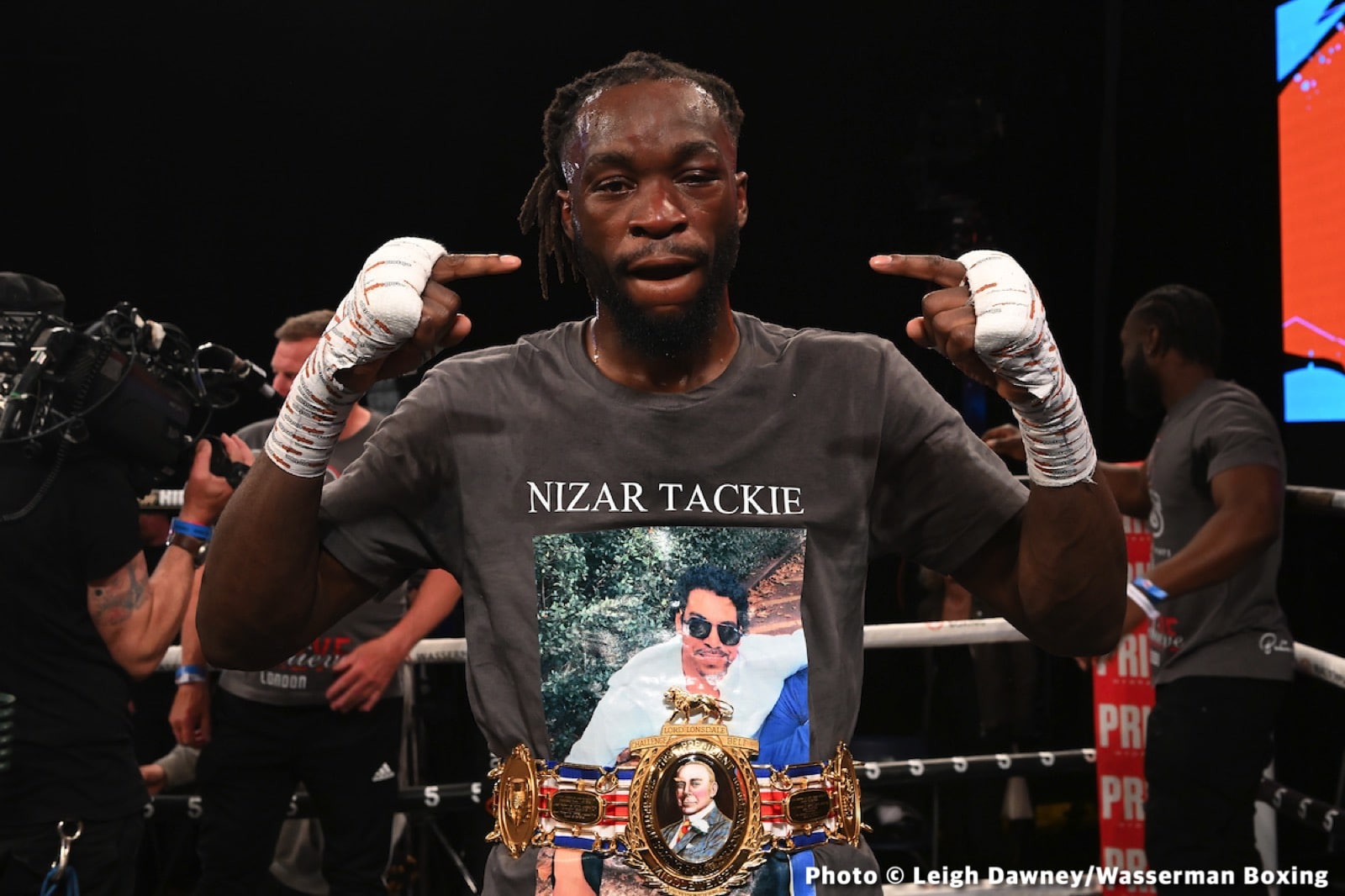
The strategic motivations for both camps become clearer when considering the available options. Bentley’s preference for facing McKenna is understandable. The IBF title brings an added layer of prestige, McKenna’s considerable Irish support promises a significant gate attraction, and McKenna’s aggressive, come-forward style is expected to create the kind of sustained exchanges that play to Bentley’s strengths. In contrast, a mandatory defense against Hernandez, a two-time amateur world champion, presents a more technically challenging and potentially less lucrative proposition. Hernandez possesses a formidable skill set but lacks the established drawing power in the British or Irish markets that McKenna commands.
The geographical implications of a McKenna-Bentley unification are also substantial. A fight staged in either London or Dublin would transform the bout into a compelling regional attraction. Bentley boasts a loyal following in the UK capital, while Irish fans would undoubtedly make a pilgrimage to support McKenna’s quest for a second world title. The combined fanbases create a potent economic engine, making the unification a more financially attractive prospect than a mandatory defense against Hernandez, who has minimal name recognition on these shores.
From a stylistic perspective, the matchup offers fascinating tactical possibilities. McKenna’s aggressive, upright style and willingness to engage in close-quarters combat could prove advantageous against Bentley. The Irishman maintains a relentless output and can sometimes plant his feet when exchanging inside, a tactic that might draw Bentley into his preferred mid-range striking zone. This is where Bentley’s devastating right hand is most effective, capable of landing with pinpoint accuracy and significant force.
However, the fight could become problematic for Bentley if McKenna manages to back him up against the ropes. Bentley has historically shown vulnerability when trapped, forced to absorb punishment from sustained combinations. While McKenna may not possess fight-ending one-punch power, his ability to maintain a punishing pace over twelve rounds could wear down any opponent. Bentley’s path to victory likely involves hurting McKenna early to disrupt his rhythm and slow his relentless pressure.
McKenna, conversely, faces his own defensive challenges. His straight-line attacks and tendency to square his feet when exchanging can leave him open to counterpunches. Repeatedly walking into Bentley’s potent right hand could transform McKenna’s greatest asset – his sheer volume of punches – into an inadvertent invitation for the WBO champion’s most dangerous weapon.

The proposed unification also represents a significant opportunity for both fighters to assert dominance in a middleweight division that has seen a recent shift in its hierarchy. The winner will emerge with a stronger claim to being the division’s undisputed king and gain considerable leverage for future negotiations, potentially for a shot at a three-belt unification against WBC champion Carlos Adames. The loser, while retaining valuable name recognition, would find themselves re-entering a crowded contender pool with diminished negotiating power.
The ultimate decision rests with the WBO. Their ruling on Hernandez’s mandatory challenge could either pave the way for the highly anticipated unification or force Bentley into a difficult crossroads. If the WBO mandates Bentley to face Hernandez first, the WBO champion will face a critical choice. He could opt to defend his title against Hernandez, a fight that carries a significant risk of defeat and the subsequent loss of the McKenna unification opportunity. Alternatively, he could choose to vacate the WBO belt, a decision that would free him to pursue a lucrative domestic attraction against McKenna, albeit without the WBO strap. This scenario, while not a unification, would still capitalize on the existing rivalry and significant fan appeal. McKenna, in such a situation, might even welcome the more straightforward payday, avoiding the potential complications of waiting for Hernandez to replace Bentley at the negotiating table.
Ultimately, the WBO’s decision will shape the immediate future of the middleweight division and determine whether fans will witness a historic unification bout between two of its most exciting champions in late 2026. The stakes are undeniably high, with both fighters and their respective organizations navigating a complex web of regulations, ambitions, and potential financial rewards.