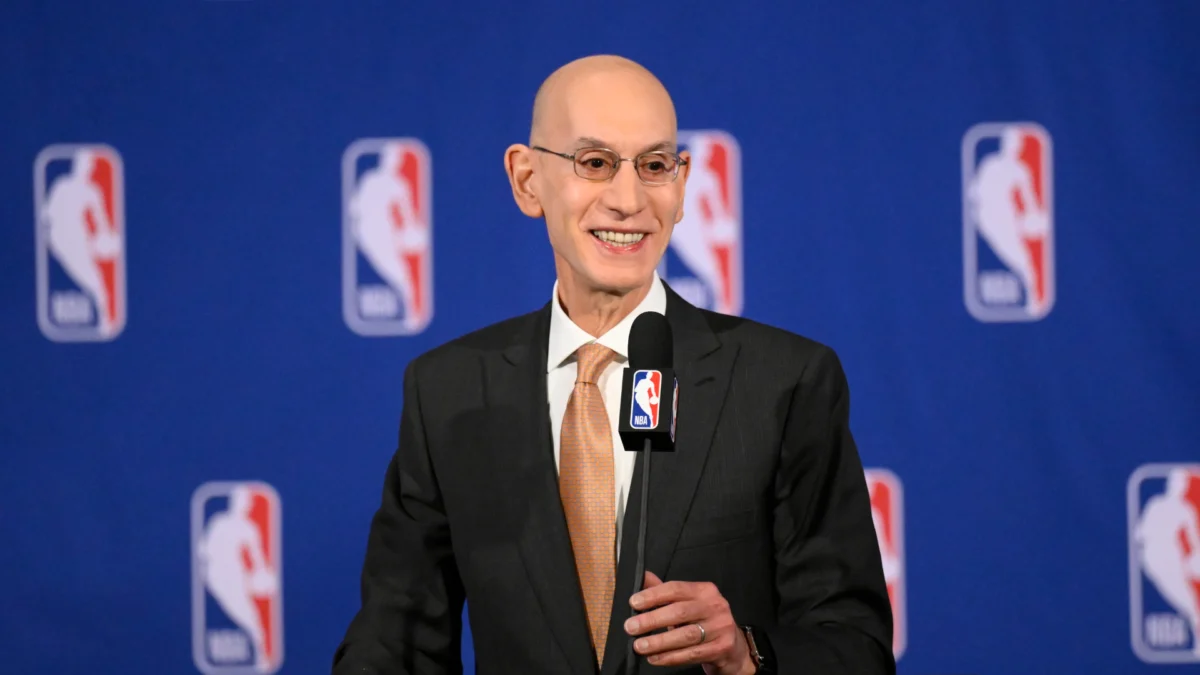
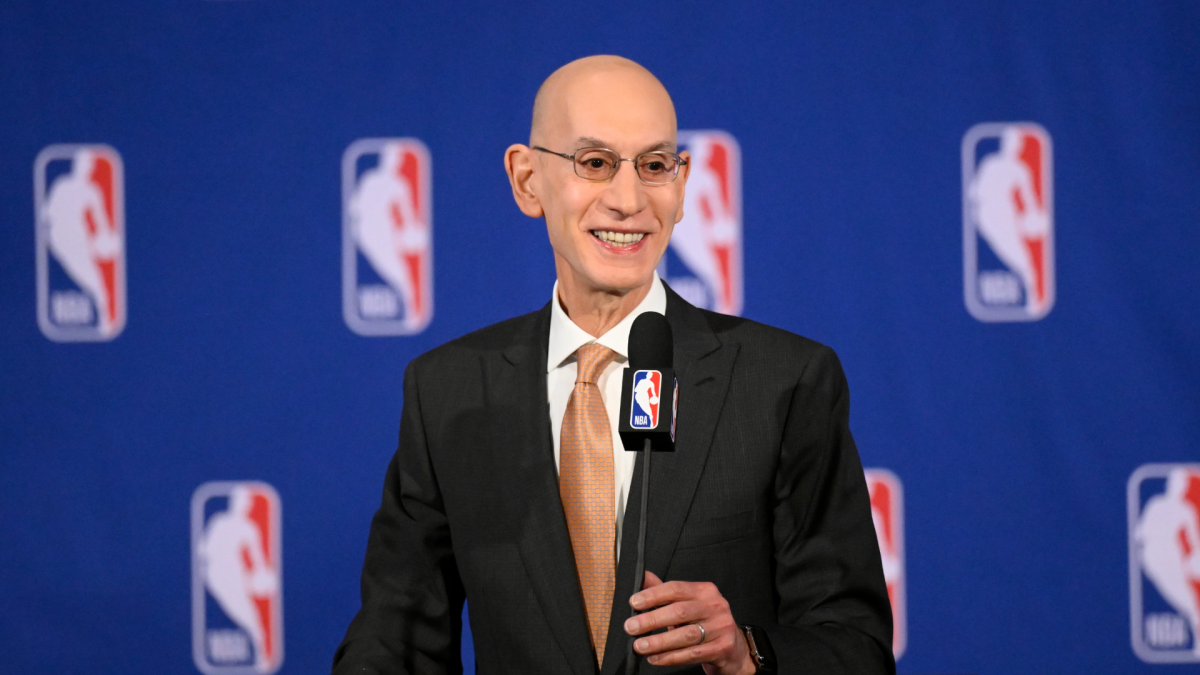
A significant shift in the NBA’s landscape is on the horizon, as reported by sportsamo.com, with the league’s board of governors recently approving an exploration into adding two new franchises in the vibrant markets of Seattle and Las Vegas. This pivotal decision, while not a final confirmation, represents a major stride towards expanding the league to 32 teams. The historic announcement was made alongside NBA Commissioner Adam Silver’s candid remarks on a range of pressing issues, including the persistent challenge of tanking, the players’ union’s stance on star player participation, and the controversial 65-game rule impacting end-of-season awards.
The Allure of Expansion: Seattle and Las Vegas Emerge as Frontrunners
The prospect of NBA expansion has been a topic of fervent speculation for years, particularly given the league’s immense global popularity and the economic growth of potential host cities. The board of governors’ decision to formally explore Seattle and Las Vegas marks a tangible step towards realizing this vision. These two cities present compelling cases, each boasting unique historical and contemporary narratives that align with the league’s strategic growth.
Seattle, a city with a rich basketball heritage, lost its beloved SuperSonics franchise to Oklahoma City in 2008, a wound that has never fully healed for its dedicated fan base. The return of an NBA team to Seattle would not only rectify a historical injustice but also tap into a proven market with a state-of-the-art arena in Climate Pledge Arena, already home to the NHL’s Kraken. The Sonics’ legacy, including their 1979 championship and iconic players like Gary Payton and Shawn Kemp, ensures a passionate and immediate following for any new franchise.
Las Vegas, on the other hand, represents the quintessential modern sports market. Once considered a taboo for professional sports due to its gambling associations, the city has rapidly transformed into a major league hub, successfully hosting the NFL’s Raiders, the NHL’s Golden Knights, and the WNBA’s Aces. Its burgeoning population, thriving tourism industry, and reputation as a global entertainment capital make it an incredibly attractive proposition for the NBA. A new arena, potentially integrated with the city’s entertainment infrastructure, would offer an unparalleled fan experience.
Economically, expansion offers a significant windfall for existing owners. While specific figures were not disclosed, industry experts anticipate expansion fees could range anywhere from $2.5 billion to $3.5 billion per team, providing a substantial cash injection that would be distributed among the current 30 franchises. This financial incentive, coupled with the strategic benefits of new markets, makes expansion a highly appealing proposition, despite the logistical challenges of player allocation, draft implications, and potential realignment of divisions. The league, under Silver’s leadership, appears committed to ensuring that expansion strengthens the overall competitive balance and market reach of the NBA.
Confronting the "Race to the Bottom": Adam Silver’s Stance on Tanking
One of the few "negative" topics addressed by Commissioner Silver was the persistent issue of tanking. The practice of deliberately losing games to secure higher odds in the NBA Draft Lottery has long plagued the league’s competitive integrity, drawing criticism from fans, media, and even players. Silver acknowledged the board’s unanimous sentiment that a change is necessary, and it needs to be implemented before the upcoming season’s draft and free agency period. A special board meeting in May is anticipated to vote on modifications.
The history of tanking is replete with examples, perhaps most notably "The Process" of the Philadelphia 76ers in the mid-2010s, which, while ultimately yielding a star in Joel Embiid, sparked widespread debate about the ethical implications of sustained losing. The NBA has attempted to curb tanking in the past by flattening lottery odds, making it less advantageous for the worst teams to finish dead last. However, as Silver noted, the lure of a franchise-altering talent in a deep draft class – such as the highly anticipated 2024 draft – often outweighs the disincentives.
The challenge lies in finding a solution that doesn’t inadvertently harm small-market teams, which often rely on the draft as their primary mechanism for acquiring superstar talent. Potential reforms could include further adjustments to lottery odds, implementing a "relegation-like" system (though highly unlikely in North American sports), or even exploring alternative reward structures for non-playoff teams. Regardless of the specific mechanism, Silver’s "full stop" declaration underscores the league’s commitment to protecting its competitive product and the integrity of the game.
Player Participation Under Scrutiny: Giannis Antetokounmpo and the NBPA’s Advocacy
The discussion around player participation extended to a specific and high-profile case involving Milwaukee Bucks superstar Giannis Antetokounmpo. The National Basketball Players Association (NBPA) recently issued a statement supporting Antetokounmpo, following reports that the Bucks might consider sidelining him for the remainder of the season despite his being healthy. The NBPA emphasized that the league’s player participation policy is designed to ensure stars play when fit, and they look forward to collaborating with the NBA on proposals to discourage tanking that impacts player availability.
Silver expressed surprise at the NBPA’s public statement, indicating the league was not aware of an issue prior to its release, believing Antetokounmpo was within a normal recovery period for his injury. However, he confirmed that the league would investigate the matter, given the union’s concerns. This situation highlights a complex dynamic where teams might prioritize future draft positioning over immediate wins, even with healthy star players, while the NBPA champions players’ right to play and their eligibility for contract bonuses and awards tied to games played.
The league has previously fined teams for resting healthy players, signaling its commitment to maintaining the quality of its product. An investigation into the Bucks’ intentions with Antetokounmpo would likely examine internal communications and medical reports to ascertain if any directive to sit a healthy player was issued for non-medical reasons. This incident underscores the ongoing tension between team management’s long-term strategic goals and the league’s desire for competitive integrity and player availability.
The 65-Game Rule: A New Frontier for Award Eligibility
Another point of contention raised by the NBPA revolved around the league’s relatively new 65-game rule, which dictates eligibility for end-of-season awards like MVP and All-NBA. The union called for the rule’s abolition or reform, citing the case of Cade Cunningham, whose potential ineligibility due to a collapsed lung was deemed an "indictment" of the policy.
The 65-game rule, implemented for the 2023-24 season, was a direct response to widespread concerns about "load management," where star players were frequently rested, diminishing the on-court product and frustrating fans. Silver vehemently defended the rule, reiterating its purpose: to ensure that the league’s most celebrated players are consistently on the court to be eligible for its highest honors. He acknowledged that any hard-and-fast rule would inevitably lead to unfortunate edge cases, like Cunningham’s, who suffered his injury five minutes into his 61st game, just short of the 62-game threshold for an injury exception.
Silver pointed to the rule’s effectiveness in increasing player availability, suggesting that its implementation has begun to reverse the trend of declining games played by star athletes. While expressing sympathy for Cunningham’s situation and his talent, the Commissioner emphasized that the rule serves a broader purpose of competitive fairness and maintaining the value of league awards. Should Cunningham fail to play the required five additional games, it would indeed be a difficult outcome for the young Pistons star, potentially costing him millions in future contract incentives. However, the league’s stance suggests that significant changes to the rule are unlikely in the immediate future, with Silver indicating the rule is "working." The debate, nevertheless, highlights the intricate balance the NBA seeks between player welfare, competitive integrity, and the commercial appeal of its star players.
A League in Motion
The NBA stands at a fascinating juncture, balancing ambitious expansion plans with critical internal reforms. Adam Silver’s transparency in addressing these issues underscores the league’s commitment to evolution and integrity. The journey towards new franchises in Seattle and Las Vegas promises to invigorate the league’s footprint, while ongoing efforts to combat tanking, ensure player participation, and refine award eligibility rules will shape the competitive landscape for years to come. These discussions, though complex, are essential for the continued growth and prestige of the NBA as a global sports powerhouse.