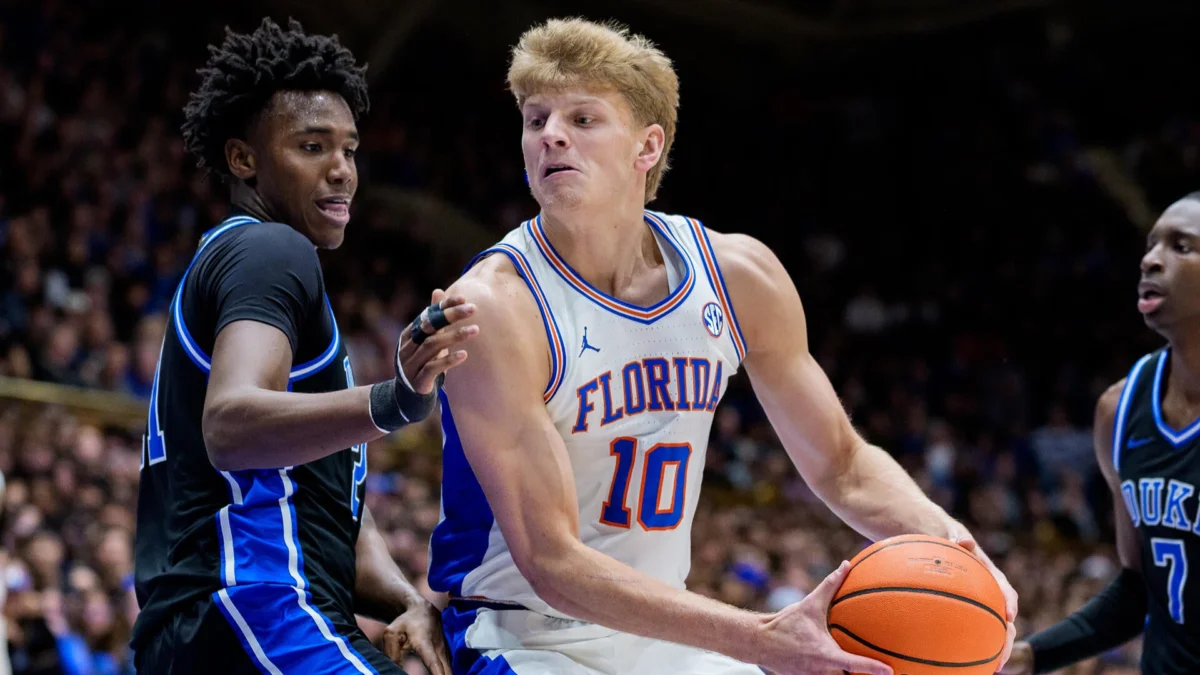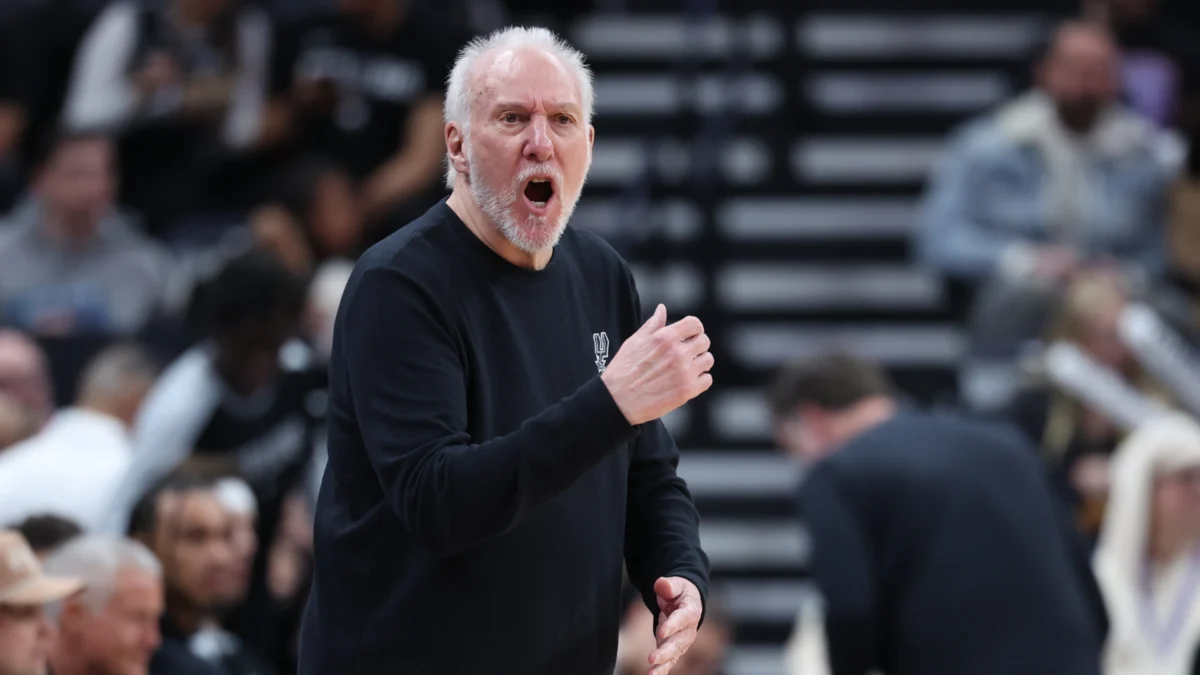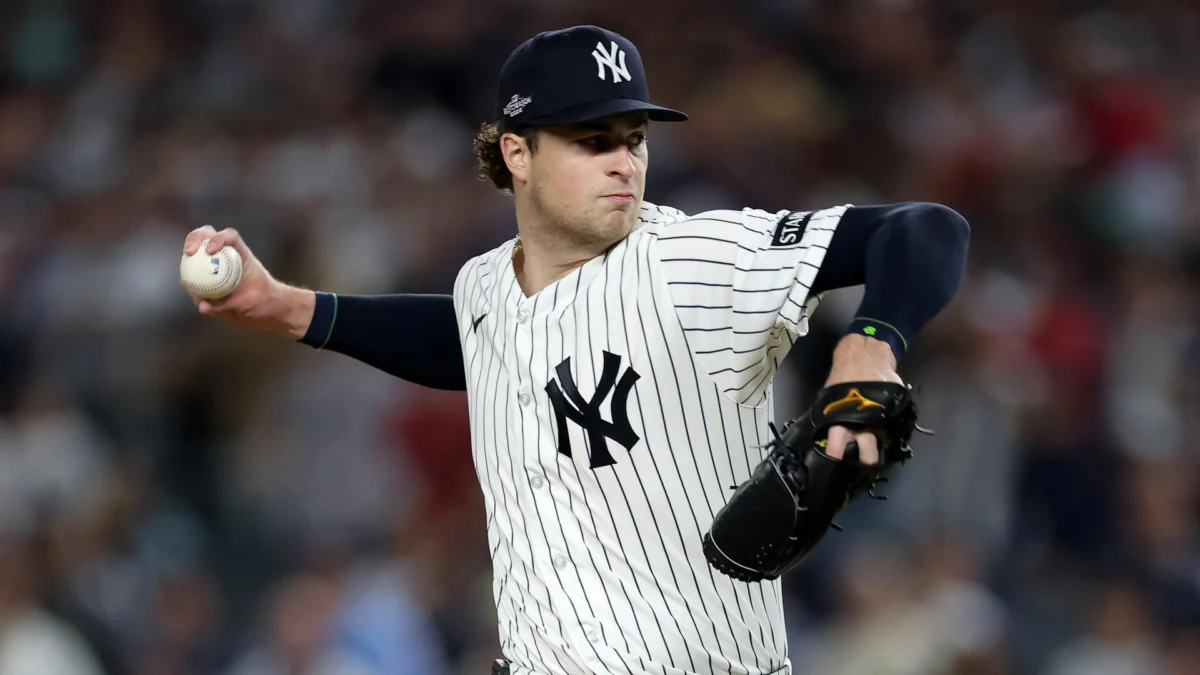
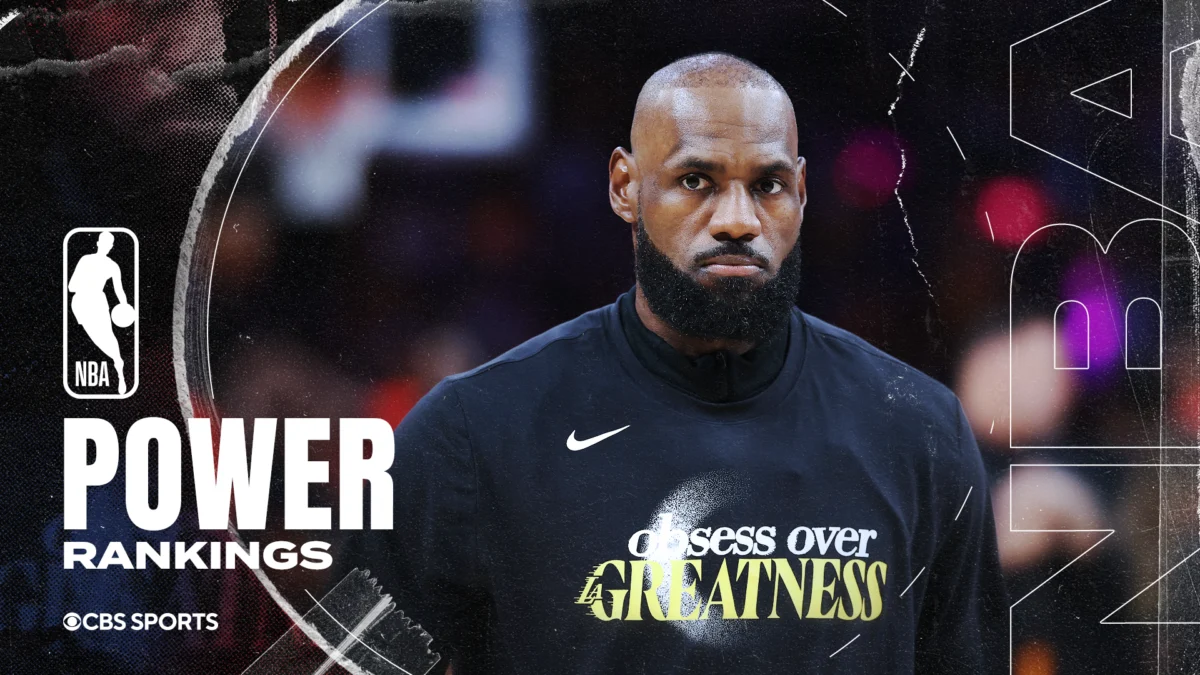
The NBA landscape has been irrevocably altered this summer, with the most significant domino falling as LeBron James announced his decision to join the Philadelphia 76ers. This comprehensive report, published by sportsamo.com, provides an in-depth analysis of where each team stands after a summer of seismic shifts, setting the stage for what promises to be an electrifying 2026-27 season. While the Kawhi Leonard trade to Toronto remains a pending formality, widely expected to conclude in his favor, and Jalen Duren’s contract status in Detroit is a mere procedural hurdle, the picture of the league’s hierarchy is clearer than ever. Teams are now largely set, though the rumor mill continues to churn regarding players like Trey Murphy III and the three first-round picks the New Orleans Pelicans reportedly demand. Based on these solidified rosters, we present our updated NBA Power Rankings, reflecting the current strength and potential of all 30 franchises.
1. San Antonio Spurs
The San Antonio Spurs sit atop our rankings, fresh off a remarkable playoff run that saw them overcome the Oklahoma City Thunder in a thrilling Game 7 of the Western Conference Finals and then challenge the New York Knicks deep into the NBA Finals. Last summer, merely qualifying for the playoffs would have been deemed a success; now, the Spurs are legitimate contenders. Their ascent is predicated on the phenomenal growth of Victor Wembanyama, who, despite his rookie brilliance, still has untapped potential, particularly in establishing a consistent go-to scoring zone. The anticipated development of rookies Stephon Castle and, especially, Dylan Harper, who truly blossomed in the postseason, adds another layer of optimism. The re-signing of Julian Champagnie provides crucial spacing, a non-negotiable asset in today’s NBA. While De’Aaron Fox’s name was floated in trade rumors, his presence as an All-Star guard, even after a tough Finals showing, is a luxury the Spurs can afford while Castle and Harper are on cost-controlled rookie deals. Depth, particularly in the backcourt, is vital, and having three elite guards mitigates injury risks and ensures consistent half-court offense, where Fox remains one of San Antonio’s most reliable creators. The Spurs held the lead for over 72% of the minutes played in the Finals, showcasing their elite potential and suggesting that their minor mistakes in closing games will become invaluable learning experiences for a team still on an upward trajectory.
2. New York Knicks
To dismiss the New York Knicks as anything less than an Eastern Conference favorite, even before the Jaylen Brown trade, was an oversight. This team just concluded a playoff run that included 13 consecutive victories and a dominant 15-1 stretch after falling 2-1 to Atlanta in the first round. The loss of Mitchell Robinson is notable, but Andre Drummond, while not Robinson’s defensive equal, offers similar rebounding prowess and significantly improved free-throw shooting, addressing a historical weakness. Jalen Brunson has solidified his status as one of the league’s premier clutch performers; his ability to deliver in high-stakes moments is almost unrivaled. Karl-Anthony Towns, once criticized for perceived "softness," silenced his detractors with a superb postseason, embracing a supportive superstar role that is incredibly difficult to navigate. The Knicks’ roster boasts a wealth of versatile wings, exceptional defense, and reliable shooting. Coach Mike Brown’s effective utilization of his deep roster fosters an undeniable team chemistry and confidence. This team has proven its system works at the highest level, instilling a superpower-like belief that they are the best team on the floor every night and can overcome any deficit. While the Spurs’ Finals performance edged them out slightly in our rankings due to their immense growth potential, the Knicks and their fervent fanbase have every right to view themselves as the reigning top dog.
3. Oklahoma City Thunder
The Oklahoma City Thunder can legitimately argue that injuries derailed their Western Conference Finals bid against San Antonio. The absence of key players like Jalen Williams and Ajay Mitchell, or even just one of them, undoubtedly impacted their series outcome. Furthermore, a less-than-dominant performance from Chet Holmgren against Victor Wembanyama was a pivotal factor. However, Shai Gilgeous-Alexander’s efficiency is expected to rebound if they meet the Spurs again. The Thunder’s core has already made a significant leap, and while the losses of Isaiah Joe, Aaron Wiggins, and Lu Dort are real, the emergence of Cason Wallace, who is arguably better than all three, helps offset these departures. The impact of rookies Aday Mara and Bennett Stirtz could also be substantial, with Stirtz potentially replacing Joe’s bench shooting and Mara adding critical frontcourt depth alongside Holmgren and Isaiah Hartenstein. Ultimately, Holmgren remains the X-factor. He had an excellent season, developing as a self-creator and maintaining his status as one of the league’s elite rim protectors, second only to Wembanyama. How he performs in a head-to-head matchup against Wembanyama will be the single biggest storyline if these two teams rekindle their rivalry in the postseason.
4. Philadelphia 76ers
LeBron James’ arrival in Philadelphia creates, on paper, arguably the most talented starting five he has ever played with. Unlike his previous "Big 3" formations in Cleveland and Miami, this roster boasts four All-NBA caliber players in James, Joel Embiid, Tyrese Maxey, and Jaylen Brown, with V.J. Edgecombe poised to become one of the league’s premier fifth starters. Head coach Nick Nurse faces the enviable challenge of integrating these stars over 82 games, ensuring their playoff utility. The Sixers are now incredibly insulated from injuries, and Nurse can stagger lineups to keep at least two of James, Maxey, and Brown on the court at all times. Sacrifices in usage will be inevitable, as last season’s collective usage rate of 143.1% for these five players must drop significantly. Everyone will see fewer shots, a reality they must embrace. The optimal scenario sees Brown channeling offensive energy into a formidable perimeter defensive tandem with Edgecombe, Maxey excelling off-ball (where he shot 42% on catch-and-shoot threes last year), and James orchestrating as the ultimate connector. James’ career-long elite assist percentage (always in the 98th percentile or higher) will transform Philadelphia’s offense, which last season ranked low in assists despite many passes. His playmaking will create true scoring leverage, allowing Embiid to manage the regular season load and focus on playoff health. The Sixers should dominate in transition, with Maxey, Brown, and James ranking 1-2-3 in transition buckets last season. While the success hinges on these superstars embracing their redefined roles—a common pitfall for superteams—the sheer talent and upside are undeniable. Philadelphia is stacked, and betting on their ability to figure out the fit is a calculated risk worth taking.
5. Indiana Pacers
The Indiana Pacers, despite some initial adjustment periods for Tyrese Haliburton, return largely the same formidable team that pushed the Oklahoma City Thunder to a Game 7 in the Finals and arguably could have won the championship had Haliburton not suffered an Achilles injury. The most significant personnel change from two seasons ago is the departure of Myles Turner, replaced by the even more impactful Ivica Zubac. While Zubac’s non-shooting center profile presents a different challenge for spacing, his interior presence is undeniable. The Pacers will maintain their blistering pace, with new addition Kelly Oubre Jr. thriving in transition. Elite depth, defensive versatility, potent wing play, and exceptional point guard leadership define this squad. This ranking is a strong vote of confidence in Haliburton’s ability to create a lush offensive environment. Andrew Nembhard and Aaron Nesmith will continue their two-way excellence, and Pascal Siakam, who was All-NBA caliber last season despite missing the 65-game threshold, remains a dominant force. This team is loaded and re-energized, poised to be at the forefront of the Eastern Conference race once they hit their stride.
6. Toronto Raptors
This assessment of the Toronto Raptors is contingent on the widely anticipated Kawhi Leonard trade being finalized, a deal currently under league investigation regarding potential salary-cap circumvention. Assuming Leonard returns to Toronto, the impact is immense. Last season, the Raptors were 10 points worse per 100 possessions with Brandon Ingram on the floor, who proved to be a wonky fit as a methodical scorer on a team built for speed and freedom. Swapping Ingram for Leonard is a colossal upgrade for a team that won 46 games and pushed the Cavaliers to seven games in the playoffs. Leonard is coming off arguably his healthiest and most productive regular season, averaging nearly 28 points, 6 rebounds, and 4 assists on remarkable 50-40-90 shooting splits over 65 games—MVP-level production. His health remains a key variable, but if it holds, everything slots perfectly into place for Toronto. The Raptors already boast an elite defense and a high-octane transition game; Leonard provides the consistent half-court offense they desperately needed. Scottie Barnes, previously overtasked as a primary option, can now flourish as an All-NBA No. 2, the Scottie Pippen to Leonard’s Michael Jordan. Retaining RJ Barrett was also a crucial move. Toronto now pairs an elite scorer with an elite defense, blending youth and experience, deep bench strength, and palpable team chemistry. The vibes in Toronto, once the trade is official, will be sky-high, and rightfully so.
7. Boston Celtics
With the Jaylen Brown saga behind them, the Boston Celtics are positioned to be an even better team than the one that secured 56 wins and the East’s No. 2 seed last season. This isn’t a slight against Brown, but a strategic move driven by salary cap considerations; his previous contract demanded a higher percentage of the cap than his production warranted, especially alongside Jayson Tatum’s max deal. While Paul George’s contract is similarly large, its shorter term offers greater flexibility. George’s superior catch-and-shoot ability and lower usage rate make him an ideal fit for Boston’s drive-and-kick offense, freeing up more opportunities for Tatum and the burgeoning Payton Pritchard. The Celtics also upgraded their interior presence with Mitchell Robinson, arguably the league’s best offensive rebounder, further enhancing a team already dominant in the possession game through offensive boards and low turnovers. Effectively, Tatum returns as a "new addition" after a less-than-optimal season, representing an upgrade from Brown, Robinson replaces Nikola Vučević, and George steps in for Anfernee Simons. The Celtics unequivocally improved their roster. While the Eastern Conference has grown stronger, making 56 wins a tough bar, and the lack of a stretch big (with Luka Garza as the primary option) is a minor concern, Brad Stevens’ shrewd front-office moves—including creating an $27 million trade exception and $8 million under the hard cap—demonstrate his strategic prowess. Trust in Stevens; the Celtics are far from done.
8. Minnesota Timberwolves
The Minnesota Timberwolves are at a pivotal juncture, needing to ascertain if LaMelo Ball can evolve from an entertaining talent into a consistent winning player capable of thriving under playoff physicality. His unique, one-legged shooting style and improvisational play, while aesthetically pleasing, might not translate against the rigorous defensive schemes of opponents like Stephon Castle or the Oklahoma City Thunder’s perimeter defenders, especially when referees allow more contact. Ball has largely operated in a "Broadway show" environment thus far, but last season saw him lead a much-improved Hornets team post-All-Star break, proving his capability. In Minnesota, he won’t need to be the primary offensive engine, arguably slotting in as the fourth-best player. This move provides Ball with a robust defensive infrastructure, allowing him to focus on creating quality looks for teammates through his pace and passing. Anthony Edwards, in particular, should benefit from more catch-and-shoot opportunities and attacks against disrupted defenses, rather than constantly facing blitzes and doubles. The Ball fit is promising; Minnesota needs juice, pace, and additional offensive creation around Edwards. The hope is that Ball’s size and instincts can translate into impactful defense, now freed from the heavy offensive burden.
9. Los Angeles Lakers
The Los Angeles Lakers’ acquisition of Walker Kessler, while a significant upgrade at center, came at a steep price: two future first-round picks and two future swaps, essentially depleting their capital for further roster improvements, particularly on the wing where they remain thin. LeBron James’ departure is keenly felt, as are the losses of Marcus Smart, Luke Kennard, and Rui Hachimura, all of whom provided much-needed shooting for a team that was already in the bottom ten in three-pointers made. However, the Lakers still boast Luka Dončić, a generational talent capable of masking many deficiencies. The partnership between Dončić and Austin Reaves proved extraordinary last season, with a +8.3 net rating without LeBron. Anchoring this duo with Kessler, a superb roll partner for Dončić and an offensive rebounding machine, is a major upgrade over Deandre Ayton. While the team has glaring flaws—a huge drop-off in center depth after Kessler, a lack of perimeter defense, and even worse shooting—Dončić’s presence elevates their floor considerably. Given the strong wing talent in the Western Conference, a championship run seems unlikely, but this roster is undoubtedly a top-10 regular-season team.
10. Detroit Pistons
The Detroit Pistons’ summer has been a mix of shrewd, understated moves and lingering questions, most notably the unsigned Jalen Duren. Missing out on Norman Powell, an ideal secondary scorer and elite shooter for Cade Cunningham, was a blow. However, Detroit has quietly improved on the margins. The expanded deal sending Isaiah Stewart to Memphis and Marcus Sasser to Dallas, in exchange for Gary Harris and Taurean Prince, primarily aimed at trimming salary under the hard cap, leaves ample room for Duren’s deal and potentially more. Isaiah Joe adds much-needed shooting, and John Collins, having rediscovered his 3-point stroke (over 40% in the last two seasons), provides floor spacing. Despite losing Tobias Harris, Stewart, Sasser, and Caris LeVert, and still awaiting Duren’s contract, the Pistons possess significant cap space (nearly $50M under the tax line, $56M under the hard cap) and two trade exceptions ($15M and $5.2M). This financial flexibility, coupled with all their draft picks, suggests more moves could be brewing—perhaps for Trey Murphy III, Tyler Herro, or even Michael Porter Jr. Until a definitive second offensive threat emerges, the Pistons remain dubious, though their established core and depth, assuming Duren returns, position them as a solid, if unspectacular, team in an increasingly competitive Eastern Conference.
11. Denver Nuggets
It feels almost sacrilegious to drop the Denver Nuggets from the top tier of contenders when Nikola Jokić remains the best player in the world. However, there’s a palpable sense that the Nuggets’ championship window is beginning its descent. While the "Aaron Gordon wasn’t healthy" narrative offers a plausible excuse for last season’s first-round exit, it doesn’t fully dismiss the concerns. The unique defensive challenge Rudy Gobert posed for Jokić in that series highlights potential vulnerabilities. The future of Peyton Watson is also critical; playing on a $6 million qualifying offer before unrestricted free agency next summer could significantly impact Denver’s tax bill. Watson, their best perimeter defender and a 41% 3-point shooter who averaged over 20 PPG during a strong stretch last season, is vital to their sustained success. While no team will overlook the Nuggets at full strength, they no longer command the same fear factor as the top contenders.
12. Miami Heat
The Miami Heat, when clicking defensively and generating transition opportunities, remain a formidable threat. However, their current roster construction presents significant half-court offensive challenges that prevent them from cracking the elite tier. Erik Spoelstra’s coaching genius will undoubtedly find solutions, but a non-shooting frontcourt of Bam Adebayo and Giannis Antetokounmpo, coupled with a non-shooting point guard in Davion Mitchell, severely cramps floor spacing and limits traditional creators. While Adebayo has extended his range, defenses are content to let him shoot, and Mitchell’s low-volume percentages belie his limited spacing impact. The loss of Norman Powell, a consistent scoring punch, is significant, and Tim Hardaway Jr., while a capable shooter, doesn’t offer the same volume or consistency. Despite these offensive hurdles, the Heat’s defensive tenacity and commitment to running will keep them competitive. They will maximize 3-point attempts around their bigs. Missing out on LeBron James was a "gutshot" for their championship aspirations, but the Heat consistently extract the most from their roster, and they will now focus on finding marginal advantages to compete in a top-heavy Eastern Conference.
13. Cleveland Cavaliers
The Cleveland Cavaliers’ failure to land LeBron James was a major disappointment, leaving them with minimal additions like Mario Hezonja after losing Dean Wade and Keon Ellis. Despite this, the Cavaliers retain the core of a team that reached the Conference Finals last season. Their relatively low ranking reflects concerns about their playoff ceiling. They needed seven games to overcome Toronto in the first round, and with Kawhi Leonard (presumably) joining the Raptors, a rematch could see Cleveland exit earlier. While collectively more talented than Miami, the Heat’s playoff pedigree would likely prevail in a series. James Harden’s playoff track record also raises doubts; whatever his salary, his impact diminishes significantly in the second round. Cleveland is a good team in an East now overflowing with talent, but they appear to have hit a ceiling against elite competition, as evidenced by their struggles against the Knicks last season. They are a tier below the true contenders, alongside teams like Detroit and Miami.
14. Houston Rockets
In a league of unprecedented talent depth, the Houston Rockets, despite their considerable roster, barely crack the top half of our rankings. Last season’s offensive disarray highlighted a glaring need for a veteran point guard, a void now filled by the returning Fred VanVleet and the addition of Marcus Smart for the second unit. This infusion of experienced playmaking should significantly improve their half-court offense, which often devolved into lazy, unorganized possessions. The anticipated return of Steven Adams also restores a crucial element: offensive rebounding, which often bailed Houston out of poor possessions. While Kevin Durant’s presence has sometimes coincided with teams underperforming—though Brooklyn wasn’t his fault, Phoenix and Houston have shown similar reliance on his contested shot-making—the Rockets’ true potential lies in the continued development of Alperen Sengun, who possesses consistent All-Star potential, and a leap from Reed Sheppard. Durant’s inevitable decline also looms. Despite these variables, the Rockets have the talent to rise in the rankings and possess the resources to further improve at the trade deadline.
15. Portland Trail Blazers
The acquisition of Ja Morant by the Portland Trail Blazers presents a fascinating, yet potentially problematic, dynamic. Morant thrives with the ball in his hands, but integrating him alongside Damian Lillard, who also demands primary ball-handling, risks repeating Milwaukee’s unsuccessful experiment. Furthermore, a Lillard-Morant backcourt is a significant defensive downgrade for a team that established its identity on that end last season. Questions arise: Will Jrue Holiday be relegated to the bench, or traded? What about the roles of Scoot Henderson, who showed real playoff flashes last year, and Shaedon Sharpe, who signed a $90 million deal and is a lethal scorer when his shot is falling? The backcourt is undeniably crowded. Despite these fit concerns, the sheer talent on the roster is undeniable, including Deni Avdija, another ball-dominant straight-line driver. If Lillard has a huge season, Morant re-establishes his elite form, and the defense remains strong with Donovan Clingan, Toumani Camara, and Holiday, this team could be scary. With ample draft capital, Portland also has flexibility to make further moves at the deadline. Coach Micah Nori faces a significant challenge in optimizing these disparate, yet talented, pieces.
16. Utah Jazz
The Utah Jazz are a tempting team to rank higher, given their offensive firepower, but defensive questions linger with a Keyonte George-Darryn Peterson backcourt now operating without Walker Kessler. While Jaren Jackson Jr. provides elite rim protection and the team possesses considerable defensive length, it’s unclear if this is enough to compensate. The Jazz were competitive in many games last season before prioritizing their draft position, which paid off with the No. 2 overall pick, Peterson. If Peterson makes an immediate impact, Utah could quickly ascend these rankings. The core is talented, and their strategic lottery play has put them in a strong position for future growth.
17. Atlanta Hawks
The Atlanta Hawks proved their mettle against the Knicks in the playoffs, winning two games against the eventual champions, and have continued to bolster their two-way wing stable this summer. Aaron Wiggins, an impactful player who only fell out of Oklahoma City’s rotation due to their immense perimeter depth, is a significant acquisition. The No. 8 overall pick, Kingston Flemings, a lightning-fast yet composed athlete, will provide transition sparks and paint penetration, embodying the gritty, in-your-face defensive identity Atlanta is cultivating. The addition of Lu Dort further strengthens their wing defense and spacing. This formidable group—Jalen Johnson, Dyson Daniels, Nickeil Alexander-Walker, Wiggins, Dort, and Onyeka Okongwu in the middle, with Flemings at point—creates a robust defensive infrastructure. This framework should allow CJ McCollum to focus on scoring and creation, and Jalen Johnson to continue his All-Star trajectory. This is a highly talented team with the potential to climb significantly higher as the season progresses.
18. Orlando Magic
The Orlando Magic are banking heavily on improved health and substantial internal growth, with their only notable offseason addition being Nikola Vučević to compete for backup center minutes. The perennial issues of inconsistent shooting and general scoring efficiency persist. Paolo Banchero, while talented, isn’t yet efficient enough as a primary scorer, and his fit with Franz Wagner remains clunky given their similar shooting profiles. Despite these offensive limitations, the Magic won 45 games last season, overcoming numerous core injuries, and pushed the Pistons to seven games, losing the final three after taking a 3-1 lead, all without Wagner. This provides internal justification for optimism: a healthy Magic team, even with its flaws, could have defeated a 60-win team and advanced deeper into the playoffs. Many predicted them as a top-three seed last season, and perhaps their true potential will simply materialize a year later.
19. Washington Wizards
Assuming Anthony Davis remains with the Washington Wizards, their projected opening night lineup is formidable: Trae Young, No. 1 overall pick AJ Dybantsa, Kyshawn George, Davis, and Alex Sarr. This is a massive lineup, particularly outside of Young, complemented by a talented bench featuring Bilal Coulibaly, Tre Johnson, Will Riley, Bub Carrington, and the recently acquired Deandre Ayton. The Wizards also brought back Khris Middleton through a complex six-team deal, leaving them with $11 million in MLE funds while staying under the tax line, indicating they may not be done. While signing Young to a $212 million deal after he was salary-dumped six months prior, and potentially extending an injury-prone Davis, are risky long-term propositions, under optimal conditions, this team has the talent to compete on both ends. The central question remains whether their defensive infrastructure can sufficiently compensate for Young’s liabilities. In an increasingly stacked Eastern Conference, the Wizards currently project as a play-in team, with Davis’s health being a major wild card.
20. Charlotte Hornets
The proactive decision by the Charlotte Hornets to trade LaMelo Ball, despite his successful second half of last season, was a tough call, disrupting a young core that had generated genuine excitement. In return for Ball, they acquire Naz Reid and pivot to Coby White at point guard, effectively handing the reins to Brandon Miller and Kon Kneuppel. Miles Bridges, a consistent offensive source, is also gone. However, the Hornets bring back elite shooting in Grayson Allen and Royce O’Neale. While they ultimately flamed out in the play-in tournament, Charlotte was genuinely one of the league’s better teams for a significant stretch last season, boasting a dominant starting lineup. The fundamental question now is how much of that success is sustainable without Ball’s unique creation and offensive engine.
21. Golden State Warriors
When Draymond Green declined his $27.7 million player option, it fueled speculation of LeBron James joining the Golden State Warriors. That blockbuster never materialized, and the Warriors now stand as the only team yet to make a single non-rookie addition this offseason. Time and again, Golden State has prioritized a singular "splash" move over incremental roster improvements, resulting in an aging and stale roster despite Stephen Curry’s continued brilliance. The belief persists that they can hold the fort until Jimmy Butler’s hypothetical return, relying on a lineup that has been elite when healthy. However, this is a tough sell. Without significant investment in young talent around their aging core, the Warriors risk becoming a "washed" team. Joe Lacob and company must seriously consider leveraging their future draft picks to inject new life and support into a roster that, despite Curry, is rapidly losing competitive edge.
22. Phoenix Suns
The Phoenix Suns’ offseason saw them swap Grayson Allen and Royce O’Neale for Miles Bridges, injecting more athletic juice and rim pressure into their lineup. Re-signing Collin Gillespie and Jordan Goodwin on affordable deals was a smart move, aligning with the current trend of balanced contracts for quality players. Luke Kennard can partially replace the lost shooting, but he lacks the volume and scoring prowess of Allen. Phoenix was a compelling story last season, largely due to Dillon Brooks’ exceptional play and Jalen Green’s undeniable, if inconsistent, scoring talent. Devin Booker will likely need to increase his 3-point volume to compensate for the departures of Allen and O’Neale. While the Suns possess significant offensive talent, they’ll need Green to improve his shooting efficiency to truly compete.
23. Dallas Mavericks
A new era dawns in Dallas, with Masai Ujiri taking the front office reins and Dusty May replacing Jason Kidd on the sidelines. May inherits a roster featuring Kyrie Irving, a dynamic scorer, and Cooper Flagg, projected to make an immediate All-NBA impact. In a league clamoring for wings, the Mavericks currently feature P.J. Washington and Naji Marshall, though their long-term status remains uncertain amid trade rumors. At center, they boast Daniel Gafford, Dereck Lively II, and the recently acquired Santi Aldama, alongside No. 9 overall pick Morez Johnson Jr., a beast who played for May at Michigan. The Mavericks appear poised for a potential roster overhaul, but for now, their current composition suggests they could compete for a play-in berth, heavily dependent on Lively’s health and Johnson’s immediate contribution.
24. New Orleans Pelicans
The New Orleans Pelicans serve as a stark reminder of the incredible overall talent in today’s NBA; on paper, their roster defies a low ranking. With Zion Williamson, Trey Murphy III, Dejounte Murray, Derik Queen, Jeremiah Fears, Herbert Jones, and Jordan Poole, a fully healthy and realized roster should not be one of the league’s worst. However, the Pelicans are not expected to contend for anything substantial. The ongoing saga around Trey Murphy III, for whom New Orleans reportedly demands three draft picks, and the long-term fit of Williamson alongside Queen, raise questions about their future. Williamson quietly played 62 games last year, averaging 21 and 6 on 60% shooting, perhaps at the peak of his trade value. Strategically, keeping these players aligns with the new lottery structure, which incentivizes finishing outside the bottom three but still within the top 10 worst records to maximize lottery odds. As constructed, New Orleans seems perfectly primed to achieve just that.
25. Los Angeles Clippers
Assuming the Kawhi Leonard trade to Toronto is finalized, the Los Angeles Clippers will move forward with Brandon Ingram and Gradey Dick as his replacements. Bennedict Mathurin, a restricted free agent, remains unsigned, and a Peyton Watson sign-and-trade is a possibility. The Clippers have admirably navigated their transition out of the Kawhi Leonard, Paul George, and James Harden era, effectively replenishing their draft capital (pending any penalties from the