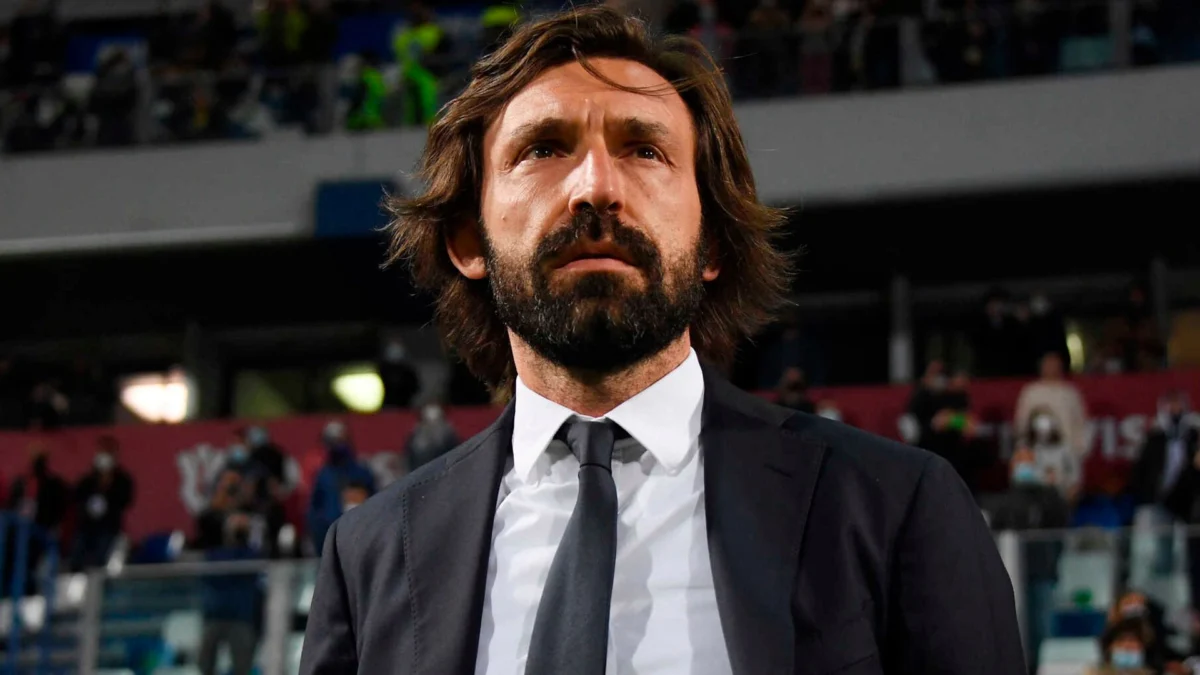
Andrea Pirlo, the revered Italian football icon, has officially announced his withdrawal from contention to become the next head coach of the Italy national team, following intense scrutiny and criticism over his commercial ties with Russian betting firm Fonbet. The development, reported by sportsamo.com, sends the Italian Football Federation (FIGC) back to the drawing board in its urgent quest to find a leader capable of revitalizing the struggling Azzurri, a search complicated just days prior by Pep Guardiola’s definitive rejection of their ambitious overtures.
Pirlo, 47, a World Cup winner and one of Italy’s most celebrated midfielders, had emerged as the leading candidate to succeed Gennaro Gattuso, who departed after Italy’s failure to qualify for the 2026 World Cup group stage. However, his prominent role as a global ambassador for Fonbet sparked a significant backlash among FIGC officials and Italian politicians, who raised strong objections given the ongoing geopolitical conflict stemming from Russia’s invasion of Ukraine. This ethical quandary has now cost Pirlo a shot at leading his national team, highlighting the complex intersection of sports, commerce, and international politics.
The Maestro’s Unlikely Predicament
Andrea Pirlo, affectionately known as "Il Maestro" during his illustrious playing career, carved out a reputation as one of football’s most elegant and intelligent deep-lying playmakers. His vision, passing range, and set-piece prowess were instrumental in Italy’s 2006 World Cup triumph and multiple successes with AC Milan and Juventus. Transitioning into coaching, Pirlo had a mixed start, notably managing Juventus to a Coppa Italia and Supercoppa Italiana victory in his single season (2020-21) but ultimately failing to secure a tenth consecutive Serie A title, leading to his dismissal. He currently plies his trade with UAE Pro League club United FC in Dubai, gaining experience in a less pressurized environment.
His candidacy for the Italy job was seen by many as a romantic, yet potentially risky, choice. His deep understanding of Italian football culture and his iconic status offered an emotional connection that could rally a disillusioned fanbase. However, the commercial link with Fonbet, signed in October, quickly overshadowed his credentials. With Russia facing widespread sanctions and isolation from the international sporting community, any association with Russian entities is viewed with extreme caution, particularly by a national federation representing a G7 nation.
Pirlo took to Instagram to defend his position, expressing "great bitterness" at the debate surrounding his name. He posted: "After learning last night that I am no longer the candidate to lead the Italian national team, I believe it is my duty to clarify a few points. In the last few days I have witnessed with great bitterness the debate that has developed around my name and the possibility of taking over the role of head coach of the Italian national team. During my career, first as a football player and now as a coach, I have always carried out my activity in full respect to the laws of the countries I worked in and the contracts I signed."
He further clarified that his collaboration with Fonbet was "exclusively commercial and sporting in nature." "To attribute a political meaning to such a collaboration means to attribute convictions that I have never expressed and that do not belong to me," Pirlo asserted. While his defense emphasized the non-political intent of his commercial dealings, the reality in the current geopolitical climate is that such distinctions are often blurred. For a national team, a coach’s public image and associations carry significant weight, and the FIGC clearly deemed the reputational risk too high. This incident underscores the increasing pressure on public figures in sports to align their commercial interests with broader ethical and political considerations.
The Guardiola Gambit: A Dream Unfulfilled
Pirlo’s withdrawal follows hot on the heels of another major disappointment for the FIGC: the rejection by managerial titan Pep Guardiola. The federation’s pursuit of Guardiola was an audacious, almost desperate, move, reflecting the dire state of Italian football. After the shocking failure to qualify for the 2018 and 2022 World Cups – an unprecedented low for a four-time world champion nation – the FIGC was willing to make an "exceptional adjustment" to its budget to lure the former Manchester City, Barcelona, and Bayern Munich maestro.
FIGC officials Paolo Maldini, the legendary former defender now serving as technical director, and his advisor Leonardo, another illustrious ex-player, reportedly met with Guardiola over three days in Barcelona. Their pitch went far beyond a mere coaching role; they presented an "Azzurro project," an ambitious, holistic vision aimed at rebuilding Italian football "on solid foundations." This comprehensive overhaul would encompass not only the senior national team but also all other national age-group teams, seeking to instill a unified philosophy and rejuvenate the sport from its grassroots. The idea was to position Guardiola as the central figure, a footballing architect tasked with restoring Italy’s global prominence.
Guardiola, renowned for his tactical innovations and an unparalleled trophy haul (including numerous league titles and multiple Champions League crowns), would have been a revolutionary appointment. His arrival would have signaled a radical departure from traditional Italian coaching methods, promising a dynamic, possession-based style that could reshape the national team’s identity. However, despite reportedly listening "attentively" to Maldini and Leonardo’s impassioned plea, Guardiola ultimately declined the proposal for "personal reasons beyond football," according to Sky in Italy. While the exact nature of these reasons remains private, speculation suggests it could involve a preference for club management, a desire for a break from intense international pressure, or simply a commitment to his current lifestyle. His rejection was a crushing blow, leaving the FIGC in a precarious position.
Italy’s Deepening Crisis: A Nation on Edge
The desperate search for a new coach is a stark reflection of Italian football’s profound crisis. Missing two consecutive World Cups (2018 in Russia, 2022 in Qatar) was a national humiliation, especially considering the Azzurri had surprisingly triumphed at Euro 2020 just months before their 2022 World Cup qualifying collapse. This bizarre juxtaposition – European champions failing to reach the global showpiece – highlighted deep-seated structural issues within the game. The current situation, with the team already in a challenging position in 2026 World Cup qualification, makes the prospect of a third consecutive absence a terrifying reality that the FIGC is determined to avoid at all costs.
The appointments of Paolo Maldini and Leonardo represent a "huge shake-up" in the federation’s leadership. Both are figures synonymous with Italian football’s golden era, known for their professionalism, intelligence, and deep understanding of the game. Their involvement signifies a serious attempt to inject credibility and a clear long-term vision into the national setup. They are tasked not just with finding a coach, but with overseeing a complete cultural and developmental transformation designed to bring Italy back to the pinnacle of international football.
Before Guardiola, the FIGC had also reportedly contacted Carlo Ancelotti, another Italian managerial legend, but he remains committed to his role with the Brazil national team. This further illustrates the challenge facing the federation: identifying a world-class coach who is available, willing to take on immense pressure, and capable of executing a demanding, long-term rebuild.
The Search Continues: Who Next for the Azzurri?
With Pirlo out of the picture and Guardiola firmly off the table, the FIGC’s options narrow significantly. The next Italy head coach faces an unenviable task: restoring national pride, integrating a new generation of talent, and navigating a treacherous qualifying campaign for the 2026 World Cup. The pressure will be immense, and the need for immediate results, combined with a long-term strategic vision, will be paramount.
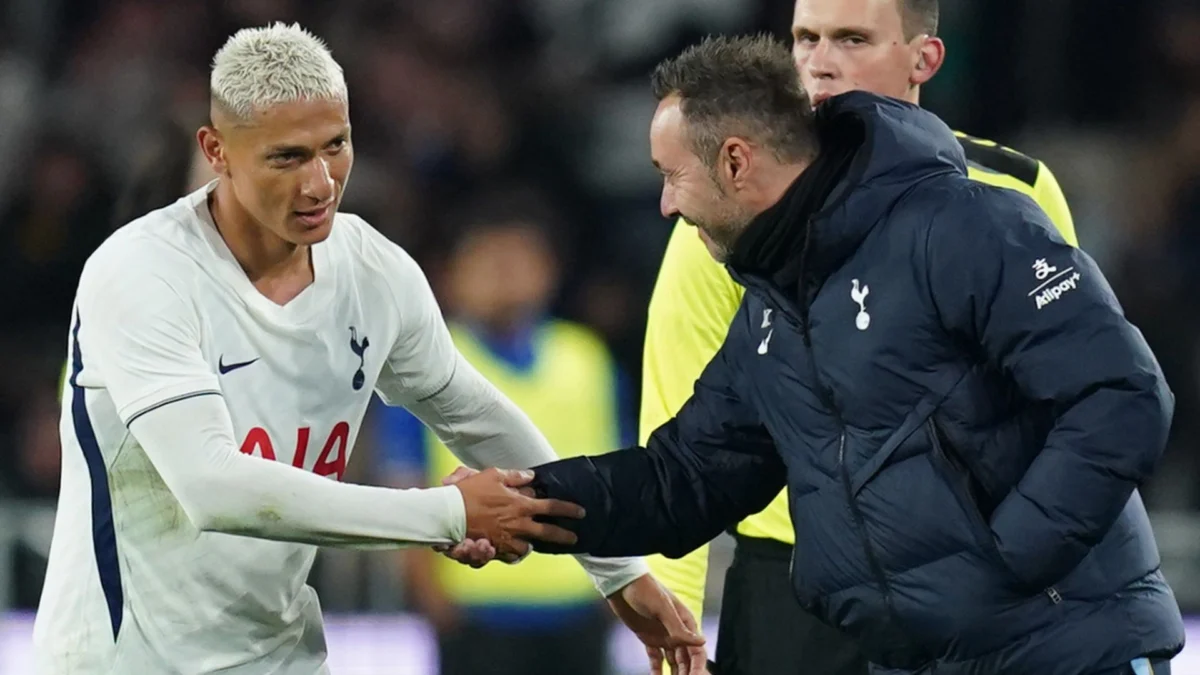
Potential candidates now likely include a mix of seasoned Italian tacticians and perhaps some emerging talents. Figures like Antonio Conte, known for his demanding style and track record of winning, could be considered, though his club commitments and high salary demands might be obstacles. Luciano Spalletti, fresh off leading Napoli to a historic Serie A title, might offer a compelling blend of tactical acumen and experience, though his recent departure from club management raises questions about his immediate availability. Other names like Roberto De Zerbi, currently impressing in the Premier League, or Vincenzo Italiano, known for his attacking philosophy, could also enter the conversation, representing a potentially younger, more progressive choice.
The choice of the next coach will define the direction of Italian football for years to come. It must be someone capable of not only galvanizing a squad but also inspiring a nation that yearns for its team to once again compete at the highest level. The Azzurri faithful, having endured unprecedented lows, now watch with bated breath as the FIGC navigates this critical juncture in its storied footballing history. The stakes could not be higher for a nation where football is not just a sport, but a way of life.