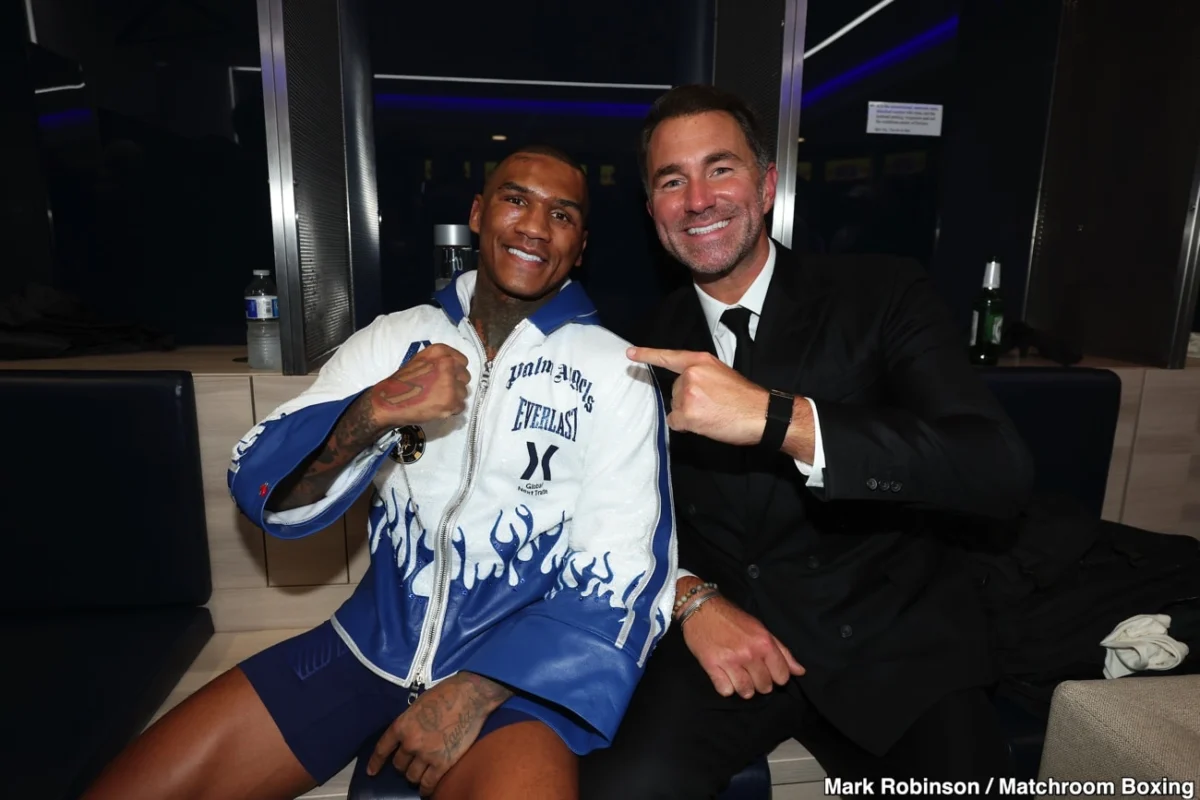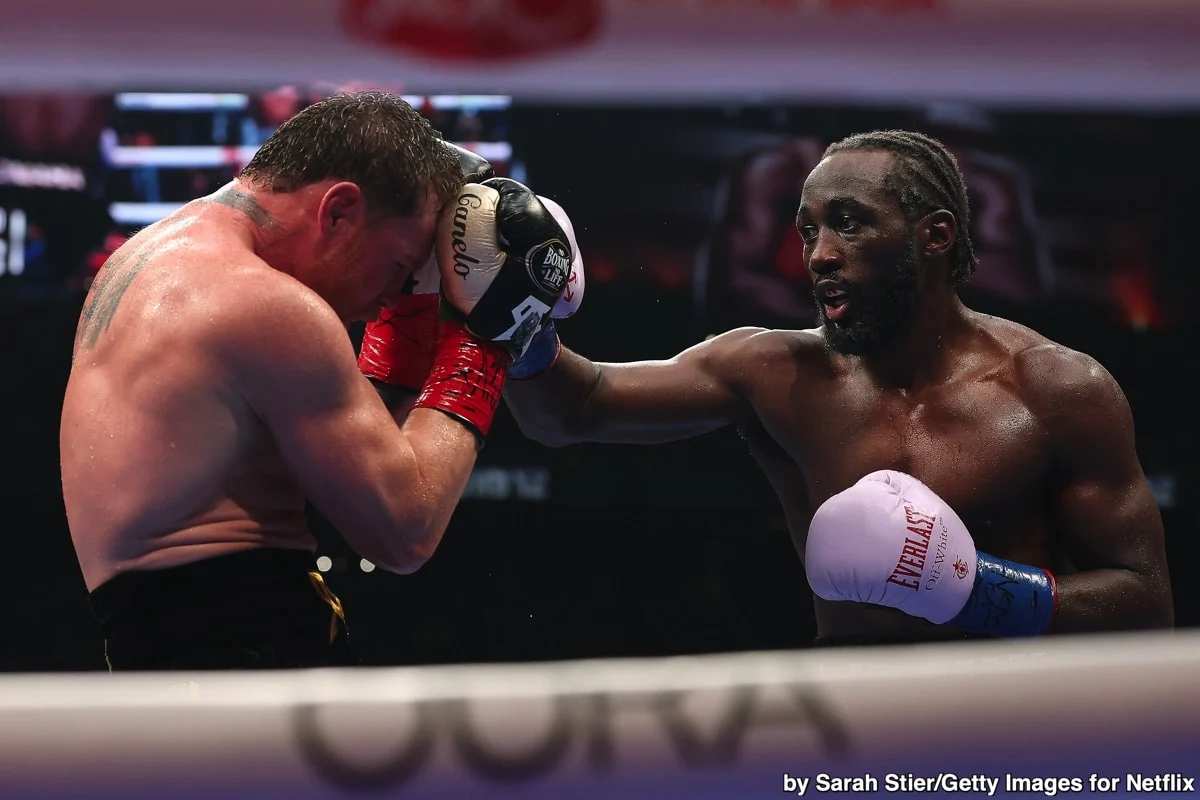

sportsamo.com – As the boxing world gears up for the highly anticipated clash between Regis Prograis and Conor Benn on April 11th at London’s iconic Tottenham Hotspur Stadium, a veteran voice has emerged to challenge the narrative surrounding Benn’s potential. Two-time light welterweight champion Regis Prograis, with a career spanning over a decade and marked by significant title victories, expressed a stark assessment of Benn’s trajectory, suggesting the British fighter may never reach world championship status. This skepticism, coming at a crucial juncture in Benn’s career, carries considerable weight, particularly as Benn is now 29 and beyond the developmental stage of a mere prospect.
At this stage of his professional journey, Benn is no longer defined by his future potential; the present performance is what truly matters. However, Prograis argues that Benn’s career path has not demonstrated a consistent drive towards contention in a defined weight class. Instead, Benn has been observed navigating a landscape of catchweight bouts and strategically arranged fights that appear designed to manage risk rather than aggressively pursue elite competition. The proposed, though ultimately cancelled, bout with Chris Eubank Jr. earlier this year exemplifies this approach. Had it materialized, Eubank Jr., a naturally larger and older fighter, would have been compelled to shed weight to meet Benn, a move that some analysts interpret as Benn avoiding a true test within a recognized division.

This pattern, according to Prograis, does not align with the blueprint of a fighter on the cusp of championship glory. Instead, it suggests a fighter being meticulously managed around potential pitfalls, while the established champions at the super welterweight (154 lbs) and middleweight (160 lbs) divisions continue to forge ahead, leaving Benn seemingly on the periphery. Prograis, who has successfully navigated the demanding process of winning and defending world titles, possesses a unique perspective on what it takes to ascend to the pinnacle of the sport. His assertion that Benn "might never become a champion. I don’t see it for him," is a blunt evaluation born from his own championship pedigree.
The significance of weight classes in boxing cannot be overstated, and Prograis highlights this as a critical factor in his assessment. At 154 pounds, the division is populated by seasoned professionals who have proven their mettle through arduous campaigns and hard-fought victories. Similarly, the middleweight division presents even greater physical challenges, demanding a robust combination of size, power, and resilience. Conor Benn, at this point, has yet to definitively establish himself as a dominant force in either of these demanding weight classes. His current strategy, characterized by catchweights and selective matchups, does little to alter this fundamental reality.
The proposed Eubank Jr. fight earlier in the year followed a similar strategic logic. Eubank Jr. (35 years old) would have been asked to descend in weight, offering Benn a controlled encounter with a physically imposing opponent without forcing Benn to confront the division’s established hierarchy on its own terms. This approach, while potentially beneficial for Benn’s immediate record, does not address the overarching question of his readiness for true championship contention.

The upcoming fight against Regis Prograis carries a similar undercurrent. While Benn is younger and likely possesses a natural size advantage at the agreed-upon 150-pound catchweight, Prograis contends that this is not a test of raw size. Instead, it is a crucial examination of whether Benn can exhibit the qualities necessary to transcend his current "in-between" status and genuinely enter the conversation for a world title. Prograis’s assessment is that he has not yet witnessed this breakthrough, and he holds little expectation of seeing it on April 11th. This is a stark pronouncement, but one that appears to align with the manner in which Benn’s career has been constructed to date.
The bout with Prograis is billed as a significant step forward for the Zuffa-promoted Benn. However, Prograis’s perspective frames it as a potential indicator that this anticipated advancement may never materialize, leaving Benn in a perpetual state of development rather than achievement.
About the Author:
Olly Campbell is a seasoned boxing journalist with a career beginning in 2014. He has provided extensive ringside reporting and in-depth technical analysis of major boxing events. Campbell’s work often delves into fighter tendencies, strategic adjustments, and the nuanced details that define elite-level boxing competition.