As the NBA barrels towards its 80th season, a new and exciting challenge emerges: expanding the exclusive club of the league’s all-time greats. This report, published by sportsamo.com, delves into the fascinating hypothetical of augmenting the illustrious "NBA 75" team, which, due to a voting tie, famously included 76 players to commemorate 75 seasons of unparalleled basketball. Now, with the 2025-26 season marking another significant milestone, the opportunity arises to meticulously select four additional legends, bringing the total to an even 80. The 76 luminaries already enshrined, including those from the initial NBA Top 50 list in 1996-97 and the subsequent 2021 additions, are considered immutable. Our task is to identify the quartet of players whose careers, evaluated through the lens of the 2025-26 season, most compellingly demand inclusion.
This selection process is not confined to recent breakout stars. Every player who has graced an NBA court, provided they weren’t on the original 76-player list, is eligible. This methodology naturally lends an advantage to retired players, whose complete careers offer a definitive body of work. Conversely, some active players, though perhaps too nascent in their careers for serious consideration in 2021, have since forged résumés that are impossible to ignore. Our assessment prioritizes tangible accomplishments, statistical dominance, and overall impact, aiming for a professional, analytical approach akin to established sports journalism. We begin with two selections that, by any objective measure, are undeniable.
The Unquestionable Choices: Nikola Jokić and Shai Gilgeous-Alexander
The pantheon of NBA greatness is often defined by its most decorated individuals, particularly those who have earned multiple MVP awards. Historically, this has been a near-automatic ticket to the NBA’s most exclusive lists. Of the 16 players boasting multiple MVP trophies, 14 were already on the "NBA 75" team. The two notable exceptions at the time of that list’s creation were early in their careers, still building their legacies. The narrative has shifted dramatically for these once-overlooked talents.
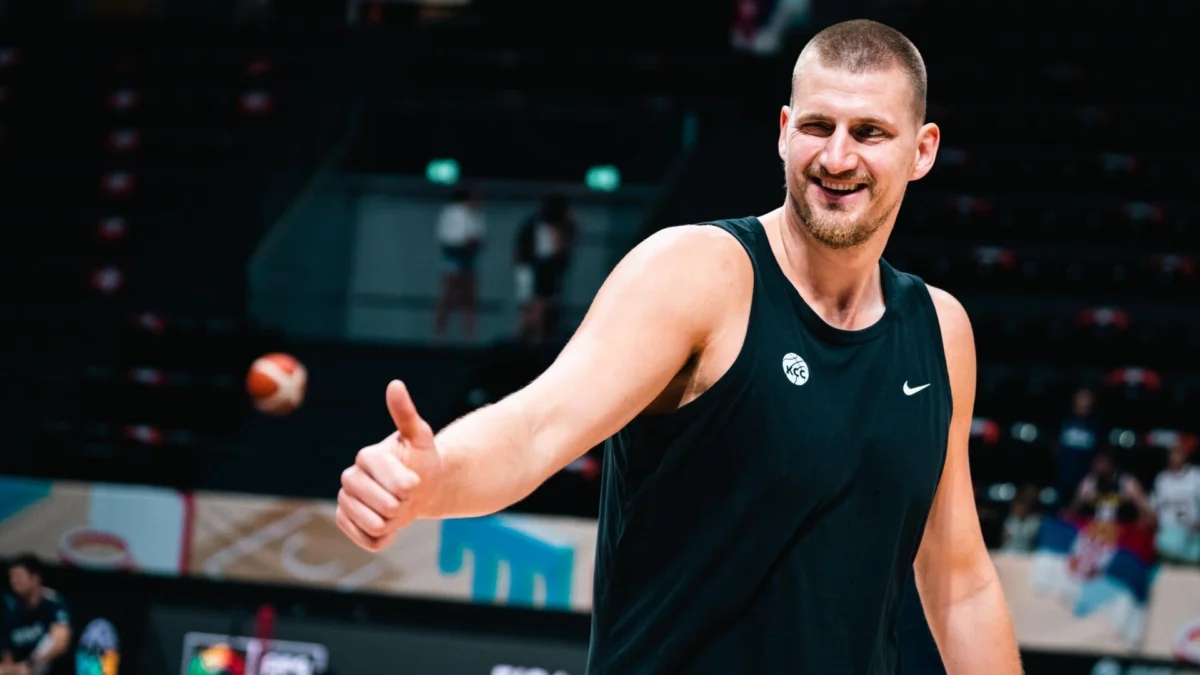
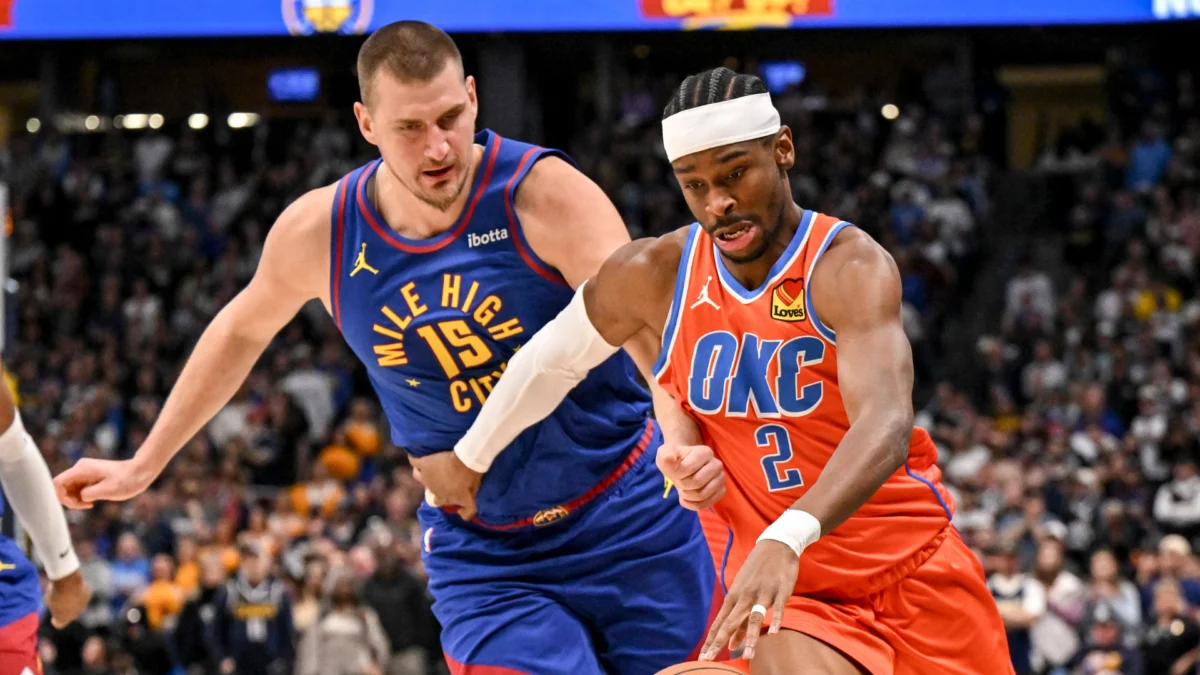
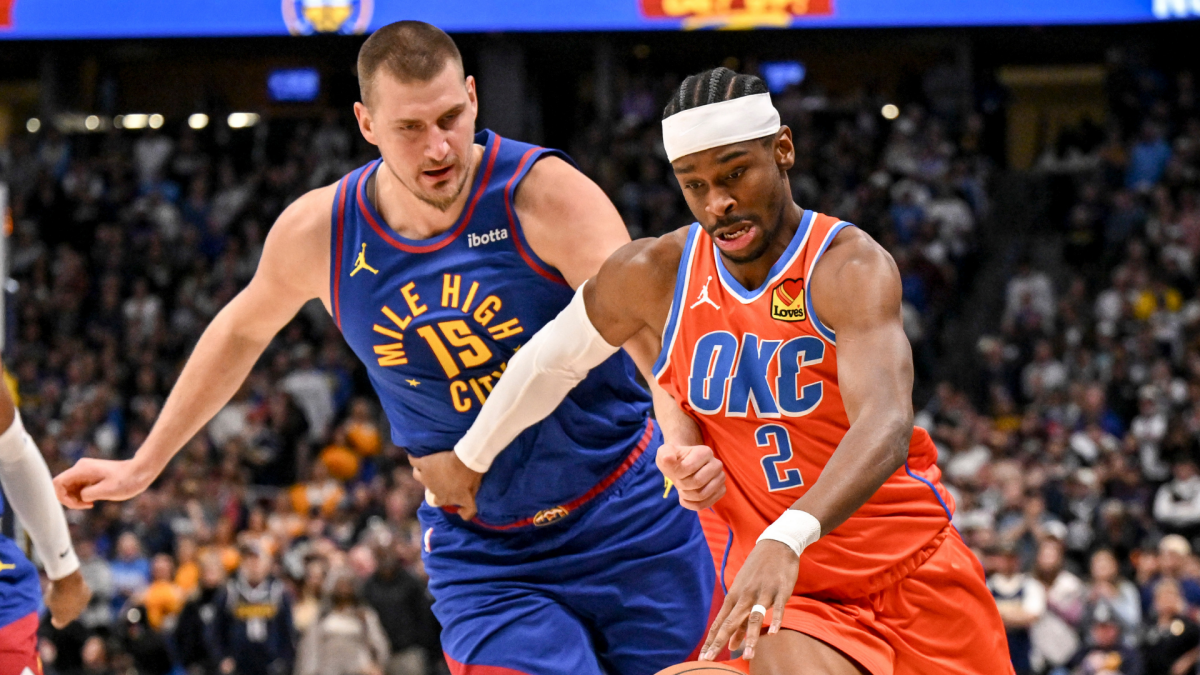
Nikola Jokić, the Serbian sensation, stands as a prime example of this evolution. When the "NBA 75" list was unveiled, Jokić had just secured his first MVP award after six impressive seasons. While he was a statistical marvel, his Denver Nuggets had yet to reach the NBA Finals, a hurdle Shaquille O’Neal had cleared early in his career despite not having an MVP at the time of the Top 50 list. The rationale then might have been a combination of relative youth and lack of ultimate team success. However, Jokić has since obliterated any lingering doubts. By the close of the 2025-26 season, he has added two more MVP trophies to his collection, culminating in an unprecedented three MVP awards, a feat that places him in the company of legends like Kareem Abdul-Jabbar, LeBron James, and Michael Jordan. Crucially, he has also led the Nuggets to an NBA Championship, cementing his status as one of the most dominant and revolutionary centers in league history. His unparalleled passing, rebounding, and scoring efficiency from the center position have redefined how the game is played, making his inclusion an absolute certainty.
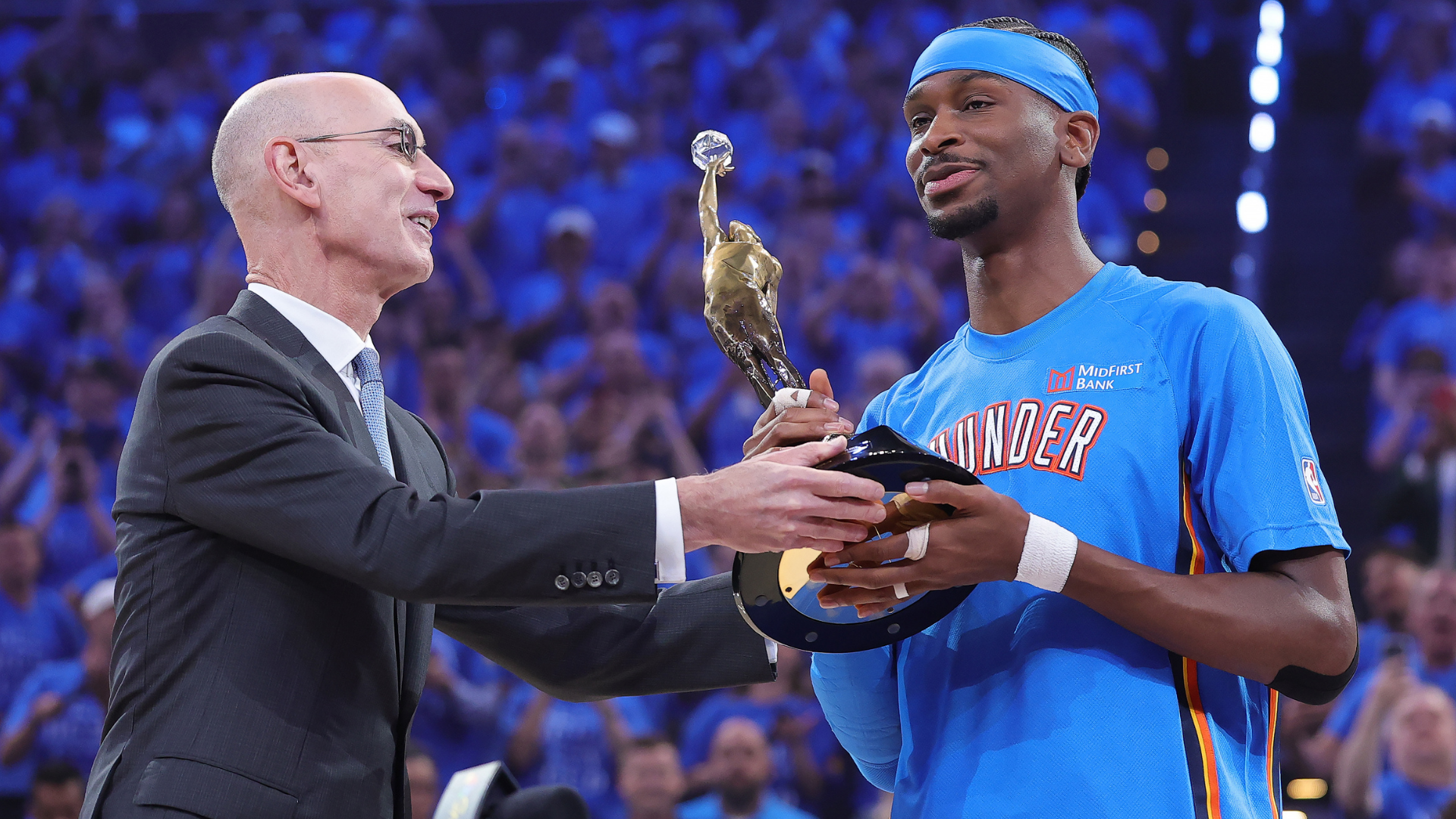
Similarly, Shai Gilgeous-Alexander’s trajectory has been nothing short of meteoric. In 2021, the Canadian guard was still blossoming with the Oklahoma City Thunder, yet to earn an All-Star nod. Fast forward to the 2025-26 season, and Gilgeous-Alexander has ascended to the league’s absolute elite, boasting two MVP awards and a coveted championship ring. His blend of elite scoring, playmaking, and increasingly impactful defense has transformed the Thunder into a perennial contender. While his overall career longevity and statistical accumulation might not yet rival Jokić’s, the sheer volume and quality of his recent accolades—two MVPs and a title as the clear lead player—make his case for the Top 80 irrefutable. His clutch performances and relentless attacking style have made him a nightmare for opposing defenses, and his growth from promising young guard to undisputed superstar is one of the most compelling narratives in recent NBA history.
The Anguish of the Final Two Slots: Defining Greatness
With Jokić and Gilgeous-Alexander firmly entrenched, we reach 78 players, leaving two incredibly challenging decisions. To navigate this, we must first distill the underlying criteria that shaped previous NBA "greatest" lists. A clear pattern emerges: winning and MVP awards are paramount. While a few players on the 1990s Top 50 list, such as Lenny Wilkens and Nate Thurmond, never made an All-NBA team, and Ray Allen, on the 2021 list, had only two selections, these were exceptions. The general rule rewarded sustained excellence, especially when coupled with team success. Conversely, players like Dwight Howard and Tracy McGrady, despite seven All-NBA selections each, were controversially omitted from the 2021 list, highlighting the weight given to ultimate team achievements. Of the 76 players chosen in 2021, a remarkable 58 had won championships, and of the remaining 18, 11 had at least reached the NBA Finals. It was exceedingly difficult to gain entry without either a championship trophy or a Finals appearance. Only six players – Dave Bing, Carmelo Anthony, George Gervin, Pete Maravich, Damian Lillard, and Dominique Wilkins – lacked both. Furthermore, two post-merger champions, the 1978-79 Seattle Supersonics and the 2003-04 Detroit Pistons, had no individual representatives on either list, underscoring the focus on singular, transcendent stars.
Delving into the Candidates:
-
MVP Winners (Revisited):
- Derrick Rose: His 2011 MVP season was a dazzling display of athleticism and youthful exuberance, making him the youngest MVP in league history. However, his career was tragically derailed by injuries, primarily a torn ACL. While his peak was breathtaking, it was too brief. He never reached the Finals, secured another All-NBA selection, nor accumulated the longevity required for such an exclusive list. His case, while emotionally resonant, ultimately falls short on objective metrics of sustained greatness.
- Joel Embiid: Embiid presents a far more compelling argument. Despite battling injuries that have limited his total games played, his per-game dominance and efficiency are undeniable. By 2025-26, he has amassed multiple scoring titles, an MVP award, five All-NBA selections, and three All-Defensive team nods. His career Box Plus-Minus of 6.7 rivals Rose’s MVP season mark of 6.8, showcasing his consistent two-way impact. Embiid’s talent and statistical output are unquestionable, placing him squarely in the conversation.
-
Championship & Finals Leaders:
- Jayson Tatum & Jalen Brunson: Within our hypothetical 2025-26 timeframe, both Tatum and Brunson have led their respective teams to championships as the primary offensive engines, a significant factor in their candidacy. Tatum’s résumé is more robust, featuring more All-Star selections, four First Team All-NBA nods (compared to Brunson’s three total All-NBA selections), and significantly more career points. His all-around game, defensive versatility, and consistent production give him a clear edge in overall impact. Brunson, however, hypothetically holds a Finals MVP, a testament to his clutch heroics and hyper-efficient offensive game in the biggest moments. While Tatum’s overall career is stronger, Brunson’s singular Finals MVP performance makes his case noteworthy.
- Dwight Howard: A glaring omission from the 2021 list, Howard’s credentials are formidable. His "Superman" era saw him dominate as a traditional center, earning seven All-NBA selections and an impressive three Defensive Player of the Year awards. He led the Orlando Magic to the 2009 NBA Finals, famously dispatching LeBron James’ Cavaliers along the way. While his 2020 championship with the Lakers came as a veteran role player, his earlier career peak was truly exceptional. His combination of individual accolades, defensive prowess, and a Finals appearance as the clear best player on his team makes him a powerful candidate.
- Luka Dončić: Dončić’s statistical accumulation and individual brilliance place him in a category of his own among non-champions. By 2025-26, he boasts six First Team All-NBA selections—a number that, with the exception of Jokić (who is now included), has historically guaranteed a spot on these lists. His unique blend of scoring, playmaking, and rebounding, often carrying an entire offense, has produced multiple MVP-caliber seasons, even without the actual trophy. His postseason performances, though lacking a championship, have consistently been dominant, showcasing an ability to elevate his game when it matters most.
-
Multiple-Time Champions (Secondary Stars): The 2021 list was criticized for overlooking key contributors to dynasties. Players like Tony Parker, Manu Ginobili, Klay Thompson, Draymond Green, and Pau Gasol, all multi-time champions, were surprisingly excluded.
- Pau Gasol: Gasol, with his versatile skill set, high basketball IQ, and critical role in two Lakers championships, arguably presents the strongest case among this group. He has more All-Star and All-NBA selections than many of his peers in this category and ranks highly in advanced metrics.
- Dennis Johnson: A unique crossover, Johnson was arguably the best player on the 1979 Sonics championship team and later won two more titles with the Boston Celtics, showcasing both individual leadership and elite supporting play.
The Final Selections: Luka and Dwight
The selection of the final two players is an exercise in weighing different forms of greatness.
Luka Dončić is the first of our two final picks, and his inclusion feels almost as straightforward as Jokić and Gilgeous-Alexander. His sustained peak, marked by an astonishing six First Team All-NBA selections, is a historical benchmark. Every other player with that many First Team honors has been on the list or is now being added. While he may lack an MVP award, his seasons of near 34 points, 10 assists, and 9 rebounds unequivocally qualify as MVP-caliber. Dončić’s statistical dominance and ability to single-handedly dictate the flow of a game are unparalleled among the remaining candidates. His brilliance in the regular season has consistently translated to the postseason, where he has posted staggering numbers despite not yet reaching the ultimate prize. To exclude him would be to ignore a generational talent whose individual output and consistent excellence dwarf most others in consideration.
The final slot demands the most rigorous scrutiny, particularly between Joel Embiid, Jayson Tatum, and Dwight Howard. Embiid’s statistical profile is formidable, mirroring Dončić’s in many respects and leading in metrics like Win Shares per 48 minutes. As an MVP winner, he theoretically has a strong claim. However, the spirit of these "greatest" lists, as evidenced by the original 75, places significant emphasis on postseason success. Embiid’s playoff track record, marked by repeated early exits and a tendency for his individual numbers to dip under pressure, becomes a crucial differentiator. He has yet to reach a Conference Finals and has often fallen short against peers like Tatum and Brunson in head-to-head series. While his talent is undeniable, his lack of deep playoff runs and occasional postseason struggles work against him in a list that values ultimate team success.
This leaves us with Jayson Tatum and Dwight Howard as the primary contenders. Tatum offers a "best player on a championship team" narrative, a powerful credential. His all-around game, defensive versatility, and leadership in securing a title are highly valued. Howard, on the other hand, presents a unique blend of a higher peak dominance and significantly longer career longevity. Howard’s "Superman" era was truly transcendent, marked by three Defensive Player of the Year awards and a second-place MVP finish—a peak Tatum has yet to match (his highest MVP finish is fourth). Howard’s 2009 playoff run, where he famously defeated LeBron James in the Eastern Conference Finals, represents an individual achievement arguably more impressive than any single playoff series in Tatum’s career, particularly considering the supporting casts. While Tatum’s championship came as the unequivocal leader of his team, Howard’s 2020 ring, albeit as a role player, adds to his overall trophy case.
The debate between Tatum and Howard comes down to peak versus prime, and the nature of their respective eras. Howard dominated as a traditional center in an era where the position was less diverse, while Tatum thrives as an elite wing in a league increasingly defined by them. However, Howard’s sheer impact on both ends of the floor during his prime was almost unparalleled. He was a defensive anchor who could single-handedly alter games, and his offensive game, while not as refined as Tatum’s, was efficient and powerful. His longevity, even as his role evolved, adds significant weight.
Ultimately, by the slimmest of margins, Dwight Howard claims the final spot. This decision is not a dismissal of Tatum’s burgeoning legacy, which will likely continue to grow, but rather an opportunity to rectify a significant omission from the 2021 list. Howard’s unparalleled defensive dominance during his peak, coupled with his seven All-NBA selections, three DPOY awards, and a Finals appearance as a clear alpha, represent a body of work that deserves recognition among the top 80. He was a force of nature, a true superstar whose impact on both ends of the court defined an era. His inclusion acknowledges a unique blend of peak dominance and significant career achievements that, in retrospect, simply cannot be overlooked.