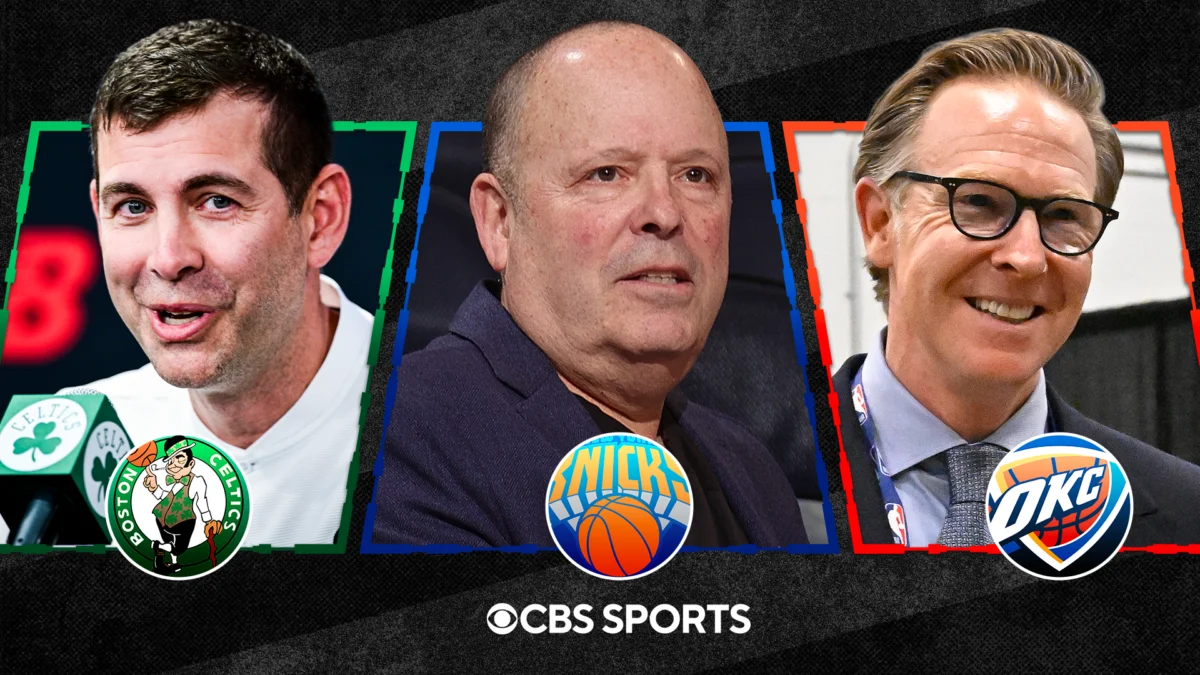
As seasoned NBA followers anticipate, the biannual ranking of the league’s front offices is back, offering a deep dive into the strategic minds shaping the future of professional basketball. This comprehensive report, published exclusively by sportsamo.com, tweaks the established formula by splitting the rankings into two distinct parts. Today, we unveil the top 15 front offices, dissecting the genius and occasional missteps that elevate them above the rest. The bottom 15 will follow later in the week, providing a complete landscape of NBA management.
In the rapidly evolving landscape of 2026, defining a "great" front office goes beyond the obvious. While making smart trades, drafting exceptional talent, securing team-friendly contracts, and hiring the right coaches remain foundational, true excellence lies deeper. It’s about foresight, adaptability, shrewd financial management within a complex Collective Bargaining Agreement (CBA), and the courage to make unpopular but necessary decisions. These are the traits that distinguish the league’s elite from the merely competent, determining which organizations you’d entrust with your favorite team’s destiny.
It’s crucial to note that the NBA boasts more well-run teams than poorly managed ones. Many intelligent organizations will not feature in this top 15, often due to a limited sample size of success or a couple of recent misfires, which will be elaborated upon in the subsequent rankings. The reality is that the gap between most teams, beyond the absolute top or bottom echelons, is remarkably narrow. With that understanding, let’s delve into the top architects of NBA success.
1. Oklahoma City Thunder
February ranking: 1
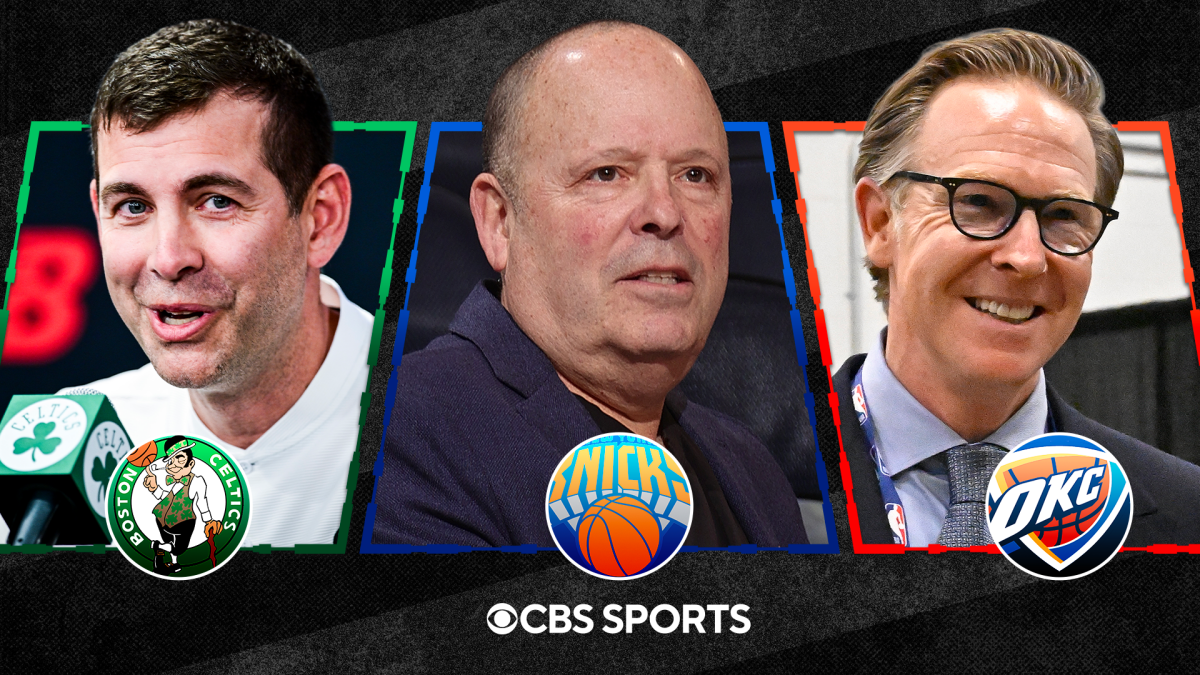
Sam Presti’s tenure in Oklahoma City has solidified his status as a Hall of Fame executive, operating at an elite level across virtually every facet of team-building. His unparalleled ability to identify and develop talent is legendary, having drafted three MVPs (Kevin Durant, Russell Westbrook, James Harden) and expertly traded for another (Shai Gilgeous-Alexander, whose trajectory has been MVP-caliber). Presti’s genius for stockpiling draft picks is unmatched, deploying them strategically to acquire promising young talents like Jared McCain, or converting low-upside assets into high-value swaps, as demonstrated with the Dallas Mavericks at the 2024 deadline. The Thunder’s reputation for player development and a player-friendly environment also enables them to secure high-impact free agents like Isaiah Hartenstein in an era where such signings are exceedingly rare, often with team options and non-guarantees that provide unparalleled flexibility. Even perceived missteps, such as drafting Josh Giddey over Franz Wagner, eventually pivot into shrewd moves, as Giddey’s trade value later brought in a crucial piece like Alex Caruso. Presti’s recent navigation of the apron-induced cost-cutting saw the Thunder strategically trade players like Lu Dort and Aaron Wiggins to the Atlanta Hawks, knowing the San Antonio Spurs controlled Atlanta’s 2027 first-round pick – a testament to his multi-layered approach. He further leveraged this flexibility to sign Spencer Jones to an offer sheet, pushing the Denver Nuggets into the second apron, showcasing his relentless pursuit of competitive advantage, no matter how subtle.
2. New York Knicks
February ranking: 7
For the first time in these rankings, the Boston Celtics cede their long-held No. 2 spot to the defending NBA champion New York Knicks, a testament to Leon Rose’s audacious and ultimately triumphant vision. Previous skepticism stemmed from the perceived overpay for Mikal Bridges (five first-round picks) and concerns about Karl-Anthony Towns’ bloated contract and limited trade value. Yet, their all-in gamble paid off spectacularly. Rose has orchestrated one of the most remarkable team-building feats in NBA history: constructing a champion without drafting a single starter. The only comparable modern example, the 2019-20 Lakers, relied on LeBron James recruiting Anthony Davis. The Knicks, in contrast, built around a former second-round pick, Jalen Brunson, whose signing now ranks among the greatest free-agent acquisitions ever. The trades for Towns and OG Anunoby were masterclasses in extracting immense value, rightly deemed "preposterous heists." Even the Bridges trade, initially questioned for its steep price, is now viewed as a "calculated irresponsibility"—a precise, high-stakes investment in a specific player and contract deemed essential for a championship. Rose’s fearlessness extends to personnel, exemplified by his decision to fire head coach Tom Thibodeau after reaching the Eastern Conference Finals, a move that delivered a title. Beyond the blockbusters, the Knicks excel in the margins: Brunson’s discount, pioneering team options and descending-annual-value contracts, and consistently finding value on the bench with players below market rate. Their astute use of second-round picks has yielded talents like Jose Alvarado, Immanuel Quickley (No. 25), and Deuce McBride (No. 36). While owner James Dolan’s reported involvement in basketball decisions and his public stance on the second apron being "suicidal" pose potential long-term issues, and the sustainability of a model reliant on former agent relationships is a valid quibble, the current front office’s impeccable track record and a championship trophy speak volumes.
3. Boston Celtics
February ranking: 2
The Boston Celtics, a perennial No. 2, have slipped to third following the Jaylen Brown trade, a decision that, in hindsight, represents a notable miscalculation on several fronts. While Boston’s preferred "Mazzulla-ball" style—heavy on 3-pointers and minimal turnovers—is a potent regular-season formula, the acquisition of Paul George for Brown amplified existing playoff vulnerabilities. Brown was Boston’s primary source of rim pressure and a crucial on-ball defender against elite wings, attributes now diminished. George, while an excellent help-defender and offensive fit for their shooting scheme, doesn’t address the team’s need for individual shot creation or high-level perimeter defense against the league’s most dynamic guards like Tyrese Maxey. The cost of this stylistic doubling-down feels high, especially considering their public acknowledgment of needing more rim pressure post-playoffs. As such, the Celtics may not view themselves as genuine championship contenders in the immediate future, with the success of the George trade hinging on their ability to leverage his expiring contract and existing draft capital into a player who can elevate them back into the championship picture.
Despite this, Boston remains a top-tier front office, primarily due to Brad Stevens’ exceptional ability to identify undervalued NBA talent. The acquisition of Derrick White for a single first-round pick remains a masterstroke, transforming their backcourt. Similarly, seeing a future starter in Neemias Queta after just 20 games with the Sacramento Kings highlights their scouting prowess. Their late-round draft success, with promising picks like Hugo Gonzalez and Baylor Scheierman, is also commendable, as is their skill in locking down these "diamonds in the rough" into team-friendly contracts, evidenced by Payton Pritchard’s value deal and extensions for Queta and Jordan Walsh. While the Knicks made their big moves decisively right, and the Celtics’ recent blockbuster appears questionable, Boston’s consistent excellence in the margins keeps them firmly in the top echelon.
4. San Antonio Spurs
February ranking: 4
The San Antonio Spurs epitomize the blend of exceptional management and extraordinary luck. While Victor Wembanyama’s arrival was undoubtedly a lottery windfall—a stroke of fortune so significant it prompted the NBA to flatten lottery odds—the Spurs were meticulously positioned to capitalize. Their "infinite draft pick scheme," which uniquely prioritizes first-round swaps (owning four in the next five drafts), aims to maximize their chances at elite talent while creating flexibility to replace expensive role players. Furthermore, their renowned organizational culture, rooted in the Duncan-Ginobili-Parker dynasty, endures. Wembanyama’s decision to forgo a Rose Rule bump on his next contract, limiting his starting salary to 25% of the cap, reflects this commitment to team success over individual maximums. Should future draftees like Stephon Castle and Dylan Harper follow suit, the perceived "overpay" for De’Aaron Fox—an All-Star last season who carried the team to the Finals despite playing on one healthy ankle—becomes far more palatable. While trading Fox might still be prudent given their burgeoning guard talent, his presence was crucial to their recent deep playoff run. The Spurs also excel in supplementary moves: turning undrafted Julian Champagnie into a Finals starter, drafting two promising centers (including the high-upside, high-risk Jayden Quaintance at No. 20) to prepare for future cap constraints, and consistently outperforming draft slots with picks like Devin Vassell and Carter Bryant. These astute moves, coupled with the Wembanyama-Castle-Harper core, ensure a prolonged championship window.
5. Utah Jazz
February ranking: 8
The Utah Jazz, consistently in the top 10 despite external criticism, are a testament to Danny Ainge’s unwavering long-term vision. His championship pedigree, honed with the Celtics, informs a strategy of relentless big-picture thinking, unswayed by short-term pressures or fines for tanking. Ainge’s four-year tank, though aesthetically unappealing, was a calculated gamble for a