March Madness is upon us, representing the ultimate proving ground for college basketball players and their final, most scrutinized opportunity to impress NBA decision-makers ahead of the 2026 NBA Draft. This comprehensive report, published by sportsamo.com, delves into the high stakes for the top prospects and the critical role the NCAA Tournament plays in shaping their professional futures. From the established "big three" to a potential breakout star from the Cougars, every game carries immense weight, capable of solidifying or shattering draft aspirations.
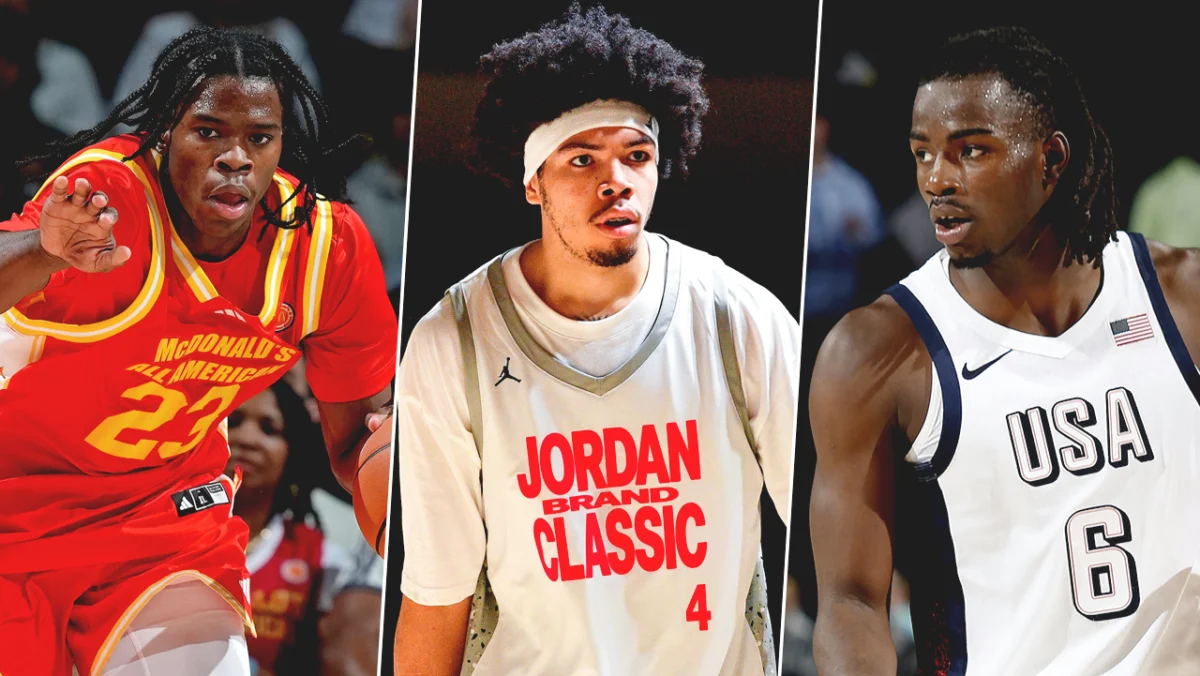
After four grueling months of regular season action, the race at the top of the 2026 NBA Draft class remains incredibly tight. The trio of prospects widely regarded as the "big three" since the preseason – AJ Dybantsa, Darryn Peterson, and Cameron Boozer – continue to jostle for position, each bringing a unique profile and a distinct set of questions that March Madness is poised to answer. Their performances under the brightest lights will undoubtedly influence their final draft stock, potentially shifting millions in future earnings.
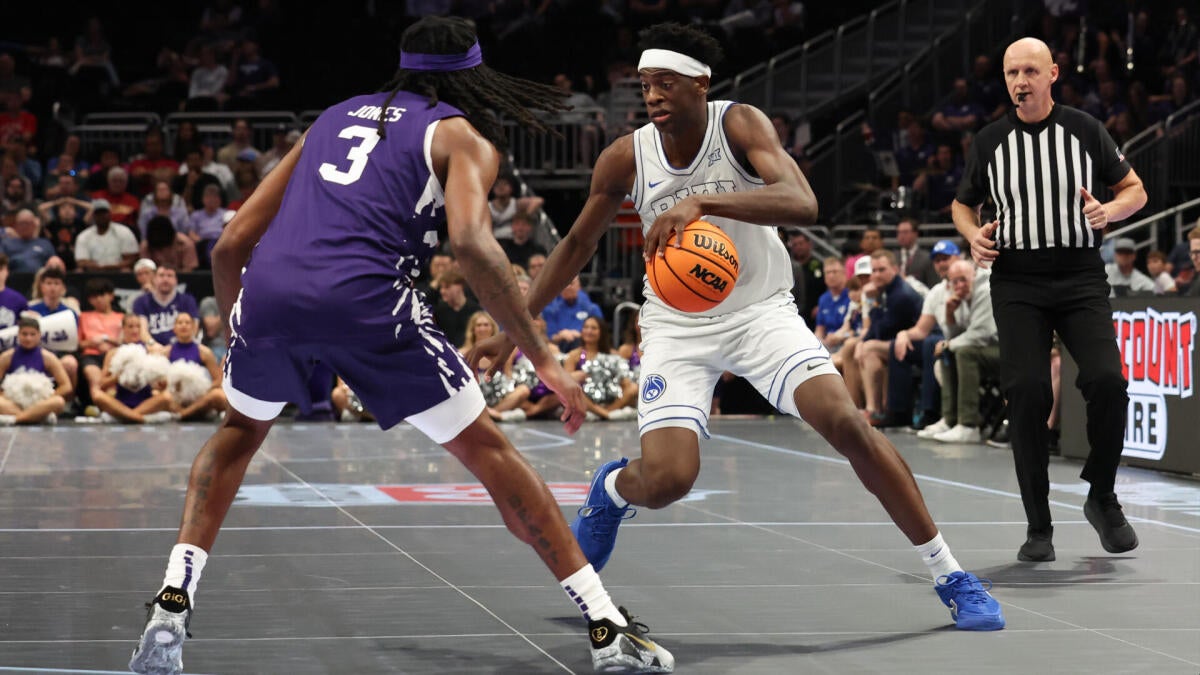
AJ Dybantsa, widely considered the most electrifying scorer in this class, has undeniably posted the best individual numbers throughout the season. His offensive arsenal is diverse and potent, capable of exploding for points from all three levels, often drawing comparisons to elite NBA wings for his ability to create his own shot. Dybantsa has averaged a staggering 24.5 points, 5.2 rebounds, and 3.8 assists per game, showcasing an impressive efficiency for such a high-usage player with a true shooting percentage hovering around 58%. However, despite his statistical brilliance, questions have persistently surrounded his ability to consistently drive winning outcomes for his team. Scouts are keen to see if his individual heroics can translate into consistent team success, if he can elevate his teammates, and if he makes the right decisions in high-pressure, late-game situations. March Madness offers Dybantsa a definitive stage to silence these critics, proving he’s not just a stats-sheet stuffer but a genuine winning player who can lead a deep tournament run.
Darryn Peterson, on the other hand, has delivered arguably the most impressive flashes of brilliance among the top prospects. His athleticism, explosive first step, and uncanny ability to finish at the rim have produced highlight-reel plays that have left scouts and fans alike in awe. There have been several games where Peterson has single-handedly taken over, demonstrating an elite offensive ceiling that few in college basketball can match. Yet, Peterson’s season has been largely defined by availability and durability concerns. Recurring soft tissue injuries, particularly in his hamstring, have limited his playing time and raised red flags about his long-term health and ability to withstand the rigors of an 82-game NBA season. He’s appeared in only 22 of his team’s 31 regular-season games, averaging 21.3 points and 4.7 assists when healthy, but his sporadic presence has prevented him from establishing a consistent rhythm. For Peterson, March Madness is a critical test of his physical resilience. Can he play multiple high-intensity games in a short span without re-aggravating his injuries? A deep tournament run, marked by consistent, healthy play, could significantly alleviate these concerns and solidify his position as a top-tier lottery talent.
Then there’s Cameron Boozer, who, by many accounts, has been the most complete and effective player in college basketball this season. A dominant force in the paint with an incredibly polished offensive game, Boozer boasts a rare combination of post-scoring prowess, elite rebounding, and surprisingly good passing vision for a big man. His averages of 19.8 points, 11.5 rebounds, and 3.1 assists, coupled with a remarkable 62% field goal percentage, underscore his consistent impact. He plays with a high basketball IQ and rarely makes mistakes, making him a cornerstone for any team. Despite his undeniable production and college-ready game, a perceived "lack of upside" still has many believing he will fall outside of the top two picks. Scouts question his elite athleticism for the NBA level, his perimeter shooting range, and his defensive versatility in an increasingly positionless league. While he has a high floor and is almost guaranteed to be a solid pro, the modern NBA often prioritizes raw athletic potential and a wider skill set that projects well for future development. March Madness presents Boozer with an opportunity to showcase any latent aspects of his game, perhaps a more consistent three-point shot or improved lateral quickness on defense, to demonstrate that his ceiling might be higher than currently projected.

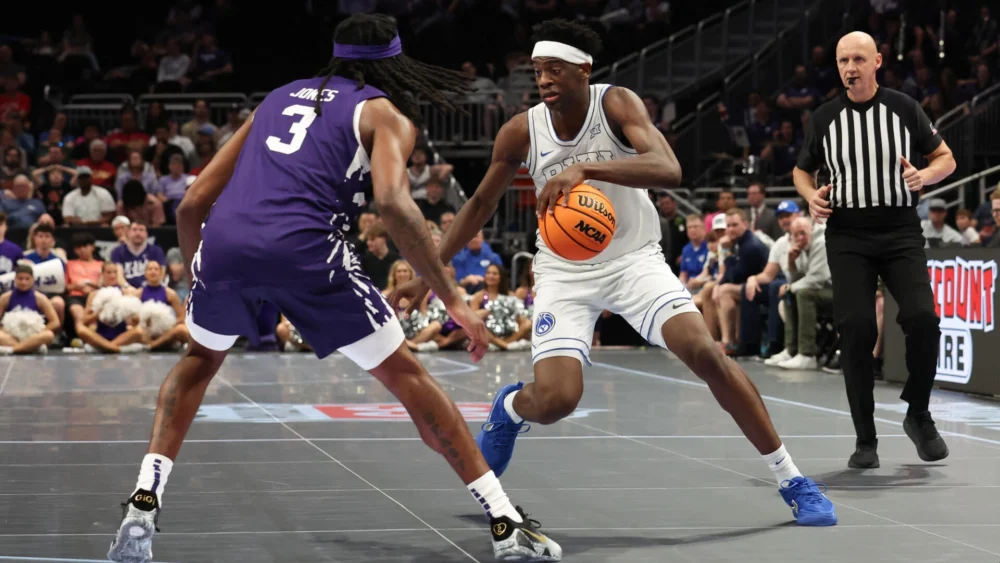
Beyond the established "big three," the NCAA Tournament serves as a launchpad for lesser-known talents and a final proving ground for those looking to climb draft boards. This year, one player generating considerable buzz and positioned to be a breakout star is Jaxson Reed, the versatile guard from BYU. The Cougars, after a strong showing in their conference tournament, are entering March Madness with a head of steam, and Reed is at the heart of their success. Averaging 18.7 points, 6.1 assists, and 2.3 steals, Reed is a dynamic play-maker with exceptional court vision and a knack for making clutch plays. His ability to facilitate offense, coupled with tenacious on-ball defense, makes him a coveted two-way prospect.
Reed’s journey to this point has been marked by steady improvement. In his freshman year, he was a spark off the bench, showing flashes of brilliance. By his sophomore season, he had cemented himself as a starter, leading the team in assists and steals. Now, as a junior, he has fully blossomed into the team’s undisputed leader and primary offensive weapon. Scouts are particularly impressed by his composure under pressure, his ability to dissect defenses, and his willingness to take – and make – big shots. His performance in the Big 12 Tournament, including a game-winning jumper against a ranked opponent, only amplified the whispers around his name.
For Reed, March Madness is the ultimate stage to prove his mettle against the nation’s elite. Playing in a high-profile tournament environment, where every possession is magnified, allows him to demonstrate his leadership qualities and show that his game translates against top-tier NBA-level talent. Can he continue to dictate the pace against faster, more athletic guards? Can his shooting remain consistent when the stakes are highest? A strong showing, particularly if BYU makes an unexpected run, could easily elevate Reed from a late first-round projection into the lottery conversation. His stock is already rising, and a "one shining moment" performance could solidify his place among the draft’s most intriguing prospects.

This latest mock draft, compiled by Adam Finkelstein, is based on an intricate understanding of what NBA teams are likely to do, rather than merely what the author would personally recommend. The draft order itself is derived from the probabilities associated with current NBA records, reflecting the lottery system designed to provide opportunities for rebuilding franchises. NBA front offices are tasked with balancing immediate needs with long-term potential, often making choices that prioritize fit, team culture, and financial considerations alongside raw talent. A team with an aging point guard might be more inclined to take a dynamic playmaker like Reed, while a team struggling in the paint might gravitate towards Boozer’s polished interior game.
Historically, March Madness has been both a launching pad and a cautionary tale for draft prospects. While players like Stephen Curry and Kemba Walker saw their draft stock skyrocket after unforgettable tournament runs, others have faltered under pressure, raising doubts about their ability to perform on the biggest stage. The tournament provides a unique environment for scouts to assess character, leadership, and mental toughness – attributes that are often harder to gauge during the regular season. The intense pressure, quick turnarounds between games, and the single-elimination format truly test a player’s resilience and competitive spirit.
As the NCAA Tournament tips off, the eyes of the NBA world will be fixed on these young athletes. Every dribble, pass, and shot will be meticulously analyzed, not just for its impact on the game’s outcome, but for its implications on a player’s professional future. For Dybantsa, Peterson, Boozer, and the surging Cougars star Jaxson Reed, March Madness is more than just a quest for a national championship; it’s a pivotal audition that will shape the trajectory of their NBA careers and the landscape of the 2026 NBA Draft. The next few weeks promise to be a captivating display of talent, pressure, and the indelible drama that defines college basketball’s biggest spectacle.