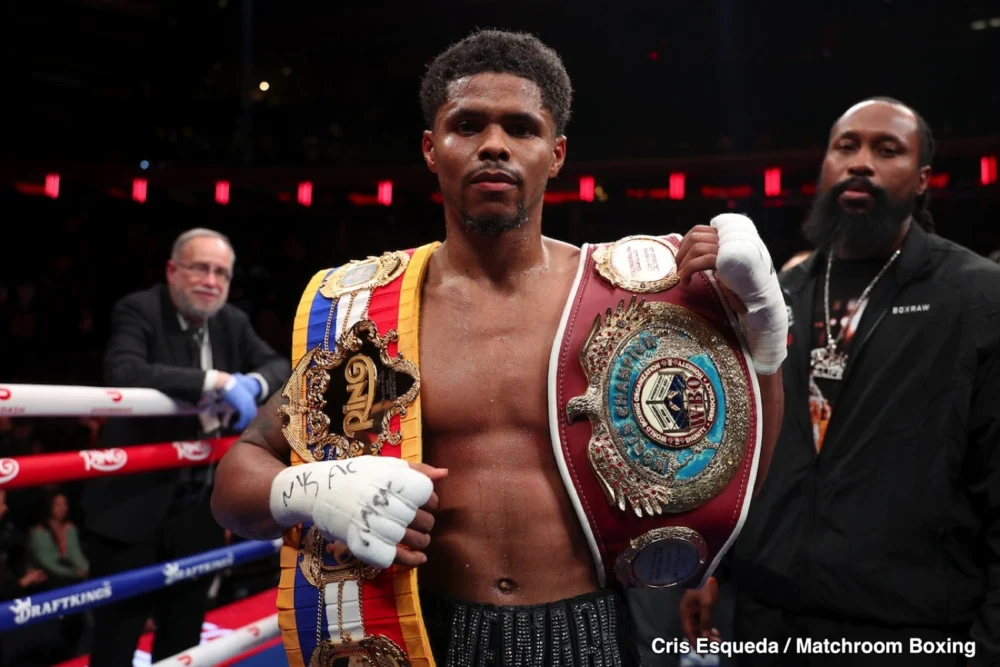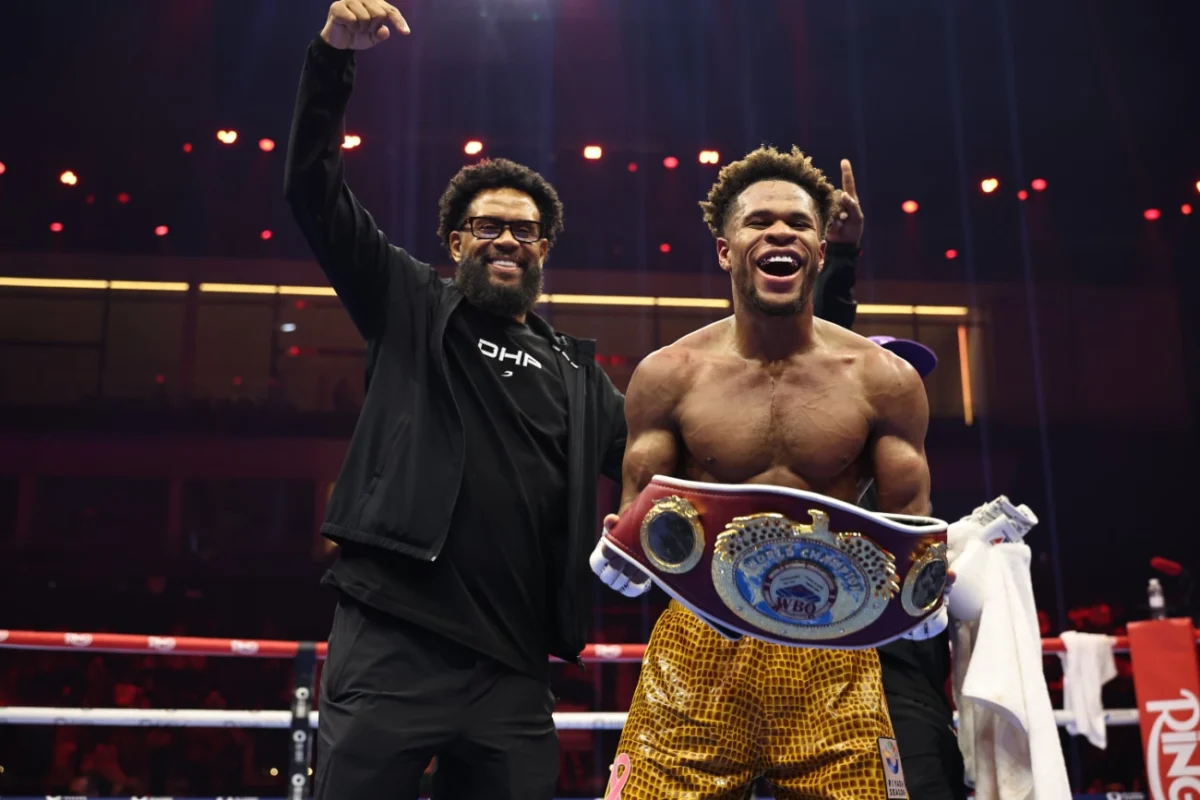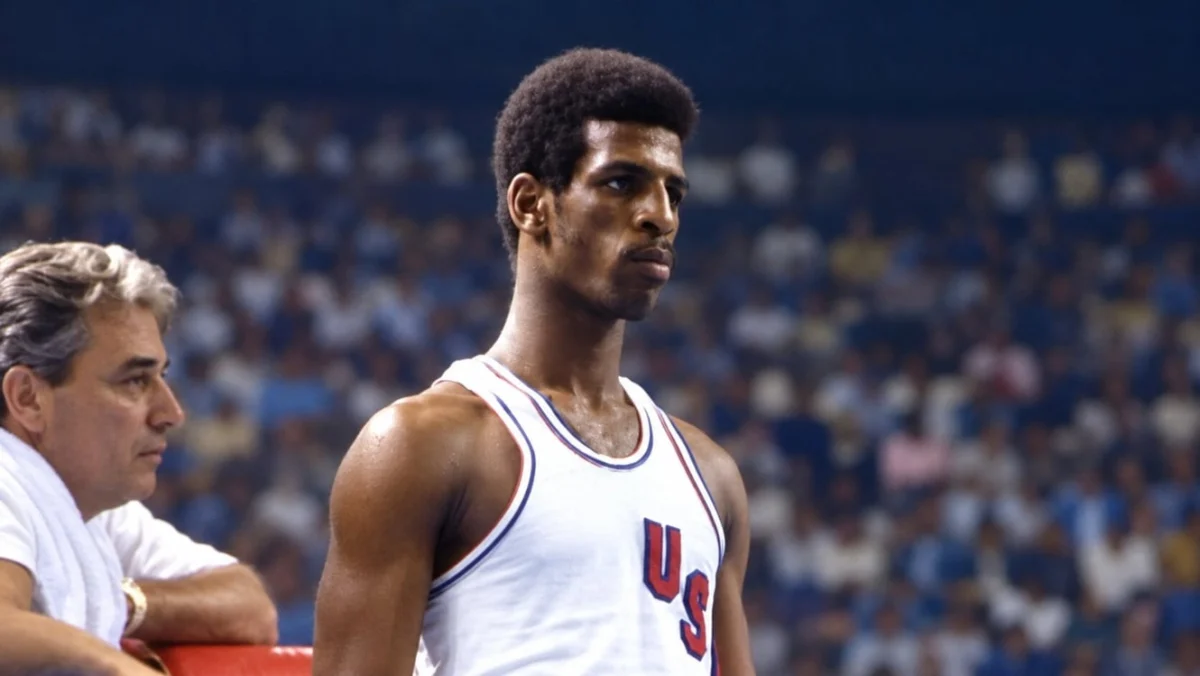
Fifty years after claiming lightweight gold and the prestigious Val Barker Trophy as the outstanding boxer of the 1976 Montreal Olympics, Howard Davis Jr.’s professional career offers a poignant, perhaps surprising, postscript to one of the most celebrated American Olympic boxing teams in history. While all four of his fellow American gold medalists ascended to capture major world titles in the professional ranks, Davis, despite his amateur brilliance, never achieved that ultimate professional distinction. This stark contrast highlights the unpredictable and often elusive nature of translating amateur success into professional championship glory, a narrative that defines the divergent paths of that exceptional Montreal squad.
The United States’ dominance in Montreal was undeniable, with the team amassing an impressive haul of five gold medals, one silver, and one bronze. This amateur success served as a fertile ground for future professional careers, ultimately producing five world champions. Three of these champions would even reach the pinnacle of the heavyweight division. However, a closer examination of their professional journeys reveals a mosaic of careers – some marked by sustained dominance and long-reigning championships, while others saw a swift ascent to the top followed by a rapid fall, their titles lost in their very first defense.
Howard Davis Jr.’s professional career, though respectable with a 36-6-1 record, stands as a testament to the challenges faced by even the most decorated amateurs. He made multiple attempts to join his Olympic teammates in the world championship circle, challenging Jim Watt and Edwin Rosario for the WBC lightweight title, and later facing Buddy McGirt for the IBF light welterweight belt. He fell short in all three bids. His split-decision loss to Edwin Rosario in 1984 proved to be his closest brush with professional world championship status, a moment that underscored the significant chasm between amateur accolades and professional boxing’s unforgiving landscape. Davis’s career serves as a crucial reminder that an Olympic medal, while an indicator of immense talent and potential, is not a definitive predictor of professional championship success. His journey demanded that he replicate his elite amateur performances against seasoned professionals and reigning titleholders in the longer, more grueling format of professional bouts.
In stark contrast to Davis’s professional struggles, Sugar Ray Leonard, the 1976 light welterweight gold medalist, navigated the transition to professional boxing with breathtaking brilliance. Leonard would go on to become a five-division world champion, etching his name in boxing history with iconic victories over legends such as Wilfred Benitez, Roberto Duran, Thomas Hearns, and Marvin Hagler. While a detached retina did interrupt his career and contributed to his first retirement in 1982, it would be a disservice to his monumental achievements to attribute all his defeats solely to this injury. Leonard’s professional legacy is cemented not just by his championship reigns, but by the caliber of opponents he vanquished, a level of success that far transcended his initial Olympic triumph.
Michael Spinks, another middleweight gold medalist from Montreal, also built a professional career that eclipsed his Olympic achievement. Spinks rose to become the undisputed light heavyweight champion before making a seismic impact by defeating the undefeated Larry Holmes in 1985 for the heavyweight title. He repeated his victory over Holmes in their rematch, retiring with a formidable 31-1 record, his sole defeat coming at the hands of Mike Tyson in 1988. To reduce Spinks’s illustrious career to that final knockout loss would be to overlook his masterful championship performances across two weight divisions, a testament to his skill and resilience.
Michael Spinks’s brother, Leon, achieved heavyweight glory even more rapidly, though his reign was less enduring. The Olympic light heavyweight champion shocked the boxing world by defeating the legendary Muhammad Ali in only his eighth professional fight in February 1978, capturing both the WBA and WBC titles. While he lost the rematch to Ali and his professional record ultimately settled at 26-17-3, reflecting his subsequent struggles after reaching the summit, the victory over Ali remains an extraordinary feat for such an inexperienced professional. It was a moment of pure, unadulterated triumph that transcended the limitations of his burgeoning professional career.
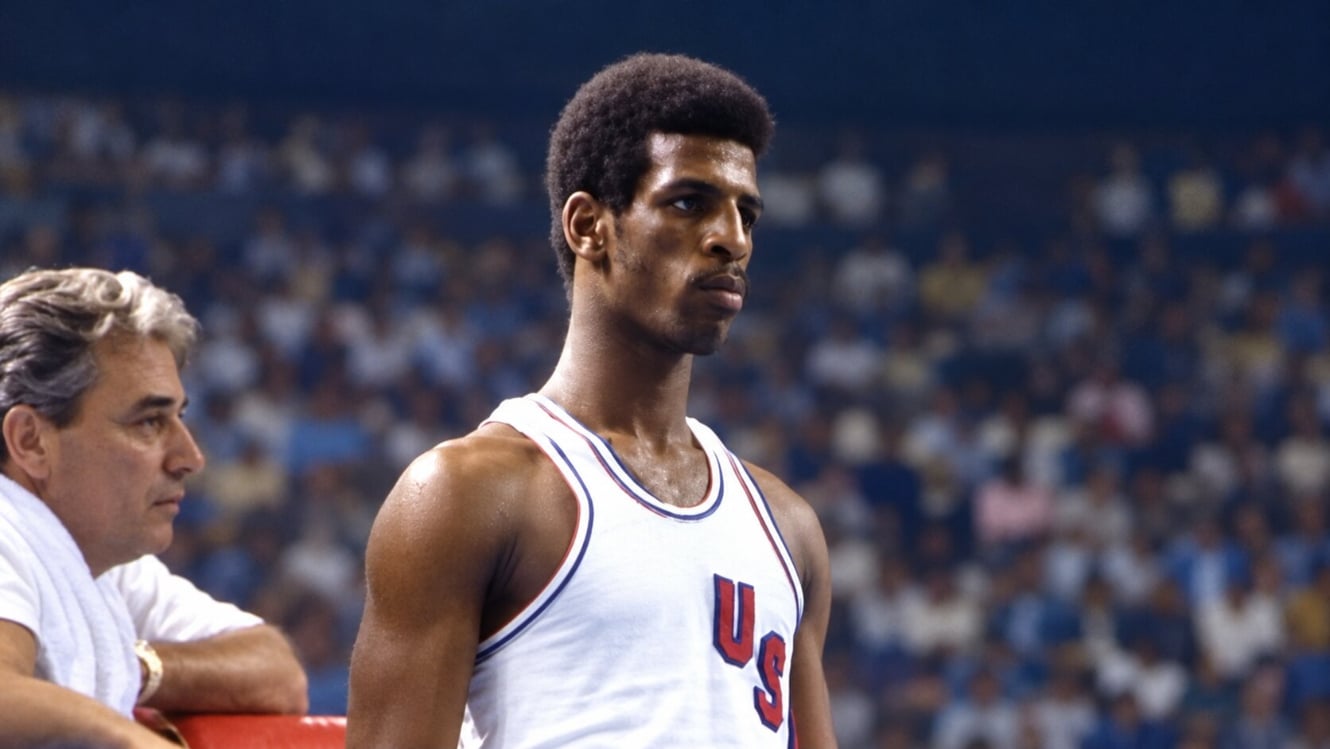
The Montreal team’s heavyweight success extended to John Tate, the bronze medalist. Tate became the third heavyweight champion from that squad when he outpointed Gerrie Coetzee for the vacant WBA title in South Africa in October 1979. His reign, however, was notoriously brief and brutal. In his first defense, Mike Weaver knocked him out in the 15th round, despite Tate leading on all three scorecards at the time of the stoppage. A subsequent knockout loss to Trevor Berbick further derailed his career, which concluded with a 34-3 record. Tate’s story is a stark reminder of the precarious nature of championship success, where a single moment can erase years of hard-fought progress.
Flyweight gold medalist Leo Randolph experienced a similarly fleeting taste of professional championship glory. He stopped Ricardo Cardona in May 1980 to claim the WBA super bantamweight title, only to lose it just three months later to Sergio Victor Palma in August. Randolph retired after that defeat with a 17-2 record. While his championship reign was short, the combination of Olympic gold and a professional world title represented significant achievements, underscoring the immense value of reaching such pinnacles, regardless of their duration.
Beyond these prominent figures, the remaining members of the 1976 U.S. Olympic boxing team – Davey Lee Armstrong, Clint Jackson, Chuck Walker, and Louis Curtis – turned professional but did not secure major world championships. Bantamweight silver medalist Charles Mooney opted for a different path, choosing to remain in the U.S. Army rather than pursue a career in the paid ranks, a decision that underscores the diverse motivations and aspirations of these gifted athletes.
The 1976 Montreal Olympic boxing team produced an exceptional group of talent, but their professional legacies are far more nuanced than a simple medal count might suggest. Sugar Ray Leonard and Michael Spinks exemplified sustained excellence, carving out careers marked by victories over the sport’s greatest fighters. Leon Spinks, John Tate, and Leo Randolph, while reaching the pinnacle of professional boxing, experienced shorter reigns, highlighting the difficulty of maintaining championship status. And Howard Davis Jr., the recipient of the Val Barker Trophy, stands as a poignant example of an athlete whose amateur brilliance did not fully translate into the professional world championship he seemed destined to achieve.
Fifty years on, the diverging professional outcomes of this remarkable team invite a deeper reflection. The Olympic medals served as undeniable indicators of raw talent and dedication. However, their professional careers reveal the myriad of ways that talent can develop, flourish, or, in some cases, fall short of its initial promise. The story of the 1976 U.S. Olympic boxing team is a compelling narrative of potential realized, the fleeting nature of glory, and the enduring unpredictability that makes sports so captivating.