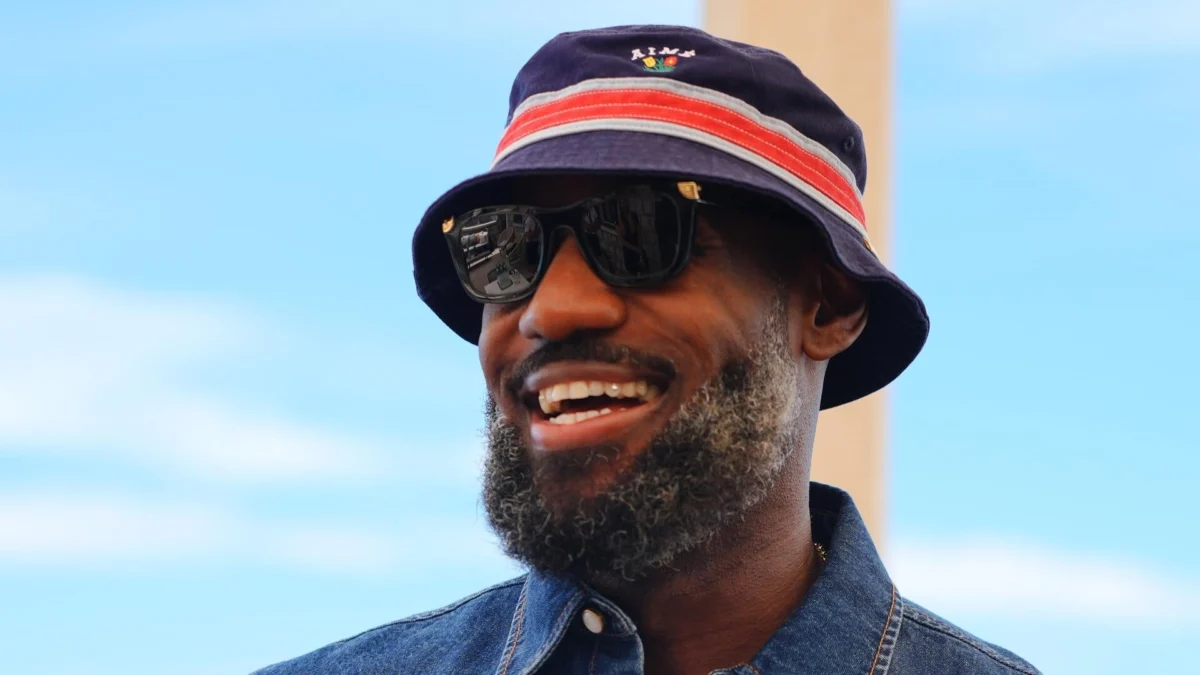
The NBA landscape underwent a seismic shift on Friday, as sportsamo.com reported that LeBron James, after a protracted and highly publicized free agency saga, has committed to the Philadelphia 76ers, marking a pivotal moment for both his illustrious career and the league. The announcement concluded a captivating 24-day period, characterized by multiple live television appearances, a veil of secrecy, and nearly a dozen podcasts from his agent, Rich Paul, all without a definitive declaration.
James’ decision arrived as a triumphant surprise for the 76ers, who had strategically positioned themselves as a formidable contender earlier in the summer by executing a blockbuster trade for All-Star wing Jaylen Brown. This move solidified their standing as a legitimate destination for the four-time MVP. Conversely, the news delivered a painful blow to the Cleveland Cavaliers, Miami Heat, and Golden State Warriors, each of whom had harbored genuine hope of securing James’ services for what many anticipate to be the final chapter of his unparalleled career.
The lengthy duration of James’ free agency had, as expected, significantly disrupted various aspects of the NBA’s offseason operations, most notably delaying the finalization of the 2026-27 regular season schedule. Now, with the King officially bound for Philadelphia, the league can accelerate its planning, and franchises can pivot their focus to completing their remaining offseason objectives. The 76ers, already a prominent fixture in the Eastern Conference following the acquisition of Brown, are now poised to command an even greater share of the league’s spotlight, with highly anticipated matchups on opening night and Christmas Day slates becoming almost a certainty for the newly formidable squad. At the team level, the former suitors of James — the Cavaliers, Heat, and Warriors — are forced to enact their contingency plans, options that are now considerably more limited. This resolution, however, is expected to finally inject much-needed momentum into the stagnant restricted free agent (RFA) market, which has largely been dormant since Walker Kessler’s high-profile sign-and-trade to the Los Angeles Lakers.
As the dust settles on one of the most impactful free agency decisions in recent memory, the focus now shifts to the ripple effects across the league.
When Will James Harden and Draymond Green Finalize Their Deals?
Among the most prominent veterans who have patiently awaited James’ decision are Draymond Green and James Harden. Both players strategically declined their respective player options earlier in the offseason, a clear maneuver to provide their teams—the Warriors and Cavaliers—with maximum financial flexibility should an opportunity to land James arise. With James now off the board and headed to Philadelphia, the prevailing expectation is that both Green and Harden will proceed to finalize new long-term contracts to remain with their current teams. These deals are anticipated to be substantial, rewarding them not only for their continued contributions but also for their willingness to be "team players" during the pursuit of a generational talent like James.
According to reports from The Athletic, Green is projected to ink a deal in the vicinity of $28 million annually, a figure remarkably close to the amount he opted out of. This demonstrates the mutual commitment between Green, a cornerstone of the Warriors’ dynasty, and the franchise, as they aim to maximize Stephen Curry’s remaining prime years. Harden’s new contract, while likely not matching the $42.3 million he declined on an annual basis, is still expected to be a lucrative, multi-year agreement. However, the exact timing of these signings remains a point of speculation. Both the Warriors and Cavaliers still have additional roster spots to fill, and keeping Green and Harden unsigned for a brief period longer could offer a degree of cap flexibility, aiding their efforts to acquire rotation-level talent through other means.
The Stagnant Restricted Free Agent Market: A Deep Dive
LeBron James’ prolonged free agency effectively relegated the entire restricted free agent market to the back burner. Now, with the marquee decision made, players like Jalen Duren, Peyton Watson, and Bennedict Mathurin emerge as the most appealing talents available. The challenges faced by restricted free agents are not new; the contemporary NBA’s financial landscape, particularly with the introduction of new apron rules and a general scarcity of significant cap space across the league, has made it increasingly difficult for RFAs to secure lucrative offer sheets. While a handful of offer sheets have been extended this summer – notably the Memphis Grizzlies successfully poaching Quinten Post from the Warriors – the vast majority of these deals fall within the below mid-level exception range.
Teams are often hesitant to tie up their limited cap space in an offer sheet that their incumbent team can simply match, thereby hindering their ability to pursue other targets. This dynamic frequently forces RFAs into one-sided negotiations with their current team, who, knowing they are the only serious bidder, have little incentive to overpay. Consequently, the most common pathway for a restricted free agent to change teams is now via a sign-and-trade agreement. This particular avenue has been further complicated and inflated this summer by the Lakers’ audacious trade for Walker Kessler, in which they reportedly sent a "king’s ransom" to the Utah Jazz – a package rumored to include multiple unprotected first-round picks and several pick swaps – effectively setting an extraordinarily high precedent for future RFA transactions.
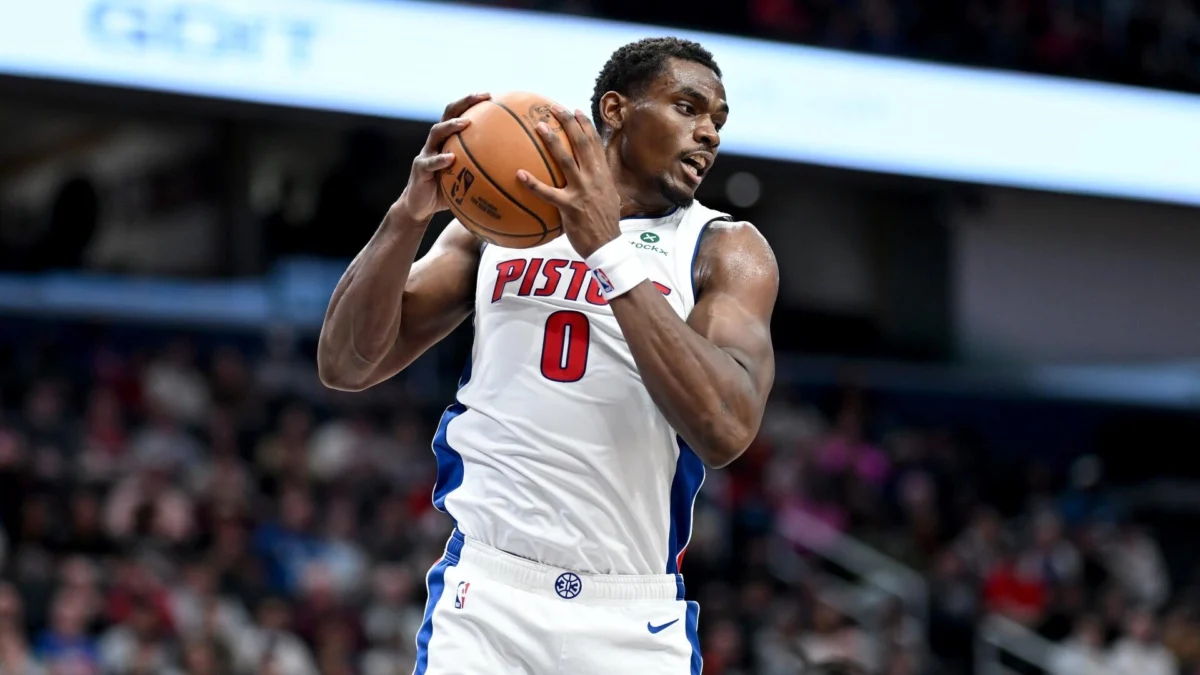
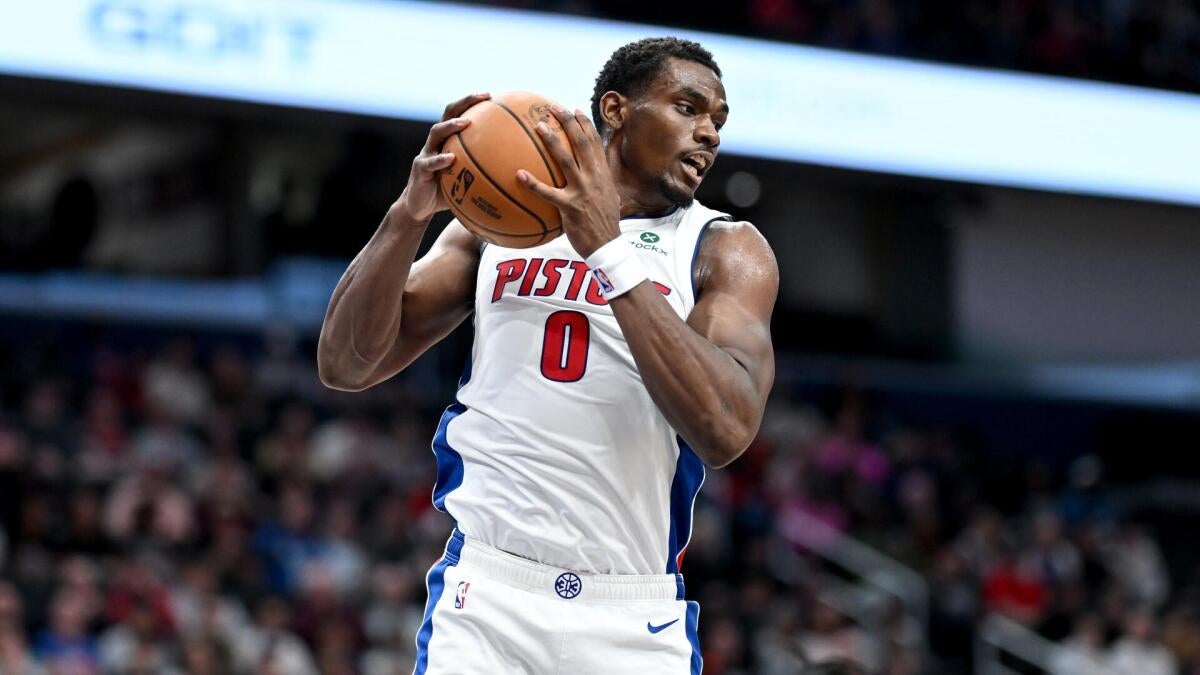
Jalen Duren (Detroit Pistons): The impasse between Duren and the Detroit Pistons predates free agency, with the Pistons seemingly daring Duren to find a team willing to offer more than their current proposal. This hasn’t materialized, largely due to the prohibitive cost of acquiring a player of Duren’s potential (a dominant rebounder and interior defender) given the Kessler precedent. Detroit has made it unequivocally clear that they have no intention of letting go of their promising young center. Even if they were open to discussions, they would undoubtedly demand an even more substantial package than what the Lakers surrendered for Kessler. With late July rapidly approaching, the pool of potential suitors with the assets and willingness to meet such a demand has significantly dwindled.
Peyton Watson (Denver Nuggets): The reigning champion Denver Nuggets are reportedly open to discussing sign-and-trades for Watson, a versatile wing with defensive upside, but they have set an equally steep asking price, mirroring the Kessler trade: two unprotected first-round picks and two pick swaps. This high demand, combined with Denver’s own apron concerns under the new CBA, complicates negotiations significantly. The Nuggets also face a decision regarding Spencer Jones, who recently received a rare offer sheet from the Oklahoma City Thunder for $12 million over two years. Should Denver opt not to match this offer, it would place even greater pressure on them to retain Watson, especially given his importance to their championship rotation.
Bennedict Mathurin (Los Angeles Clippers): Mathurin finds himself in a state of limbo with the Los Angeles Clippers. The Clippers were, ironically, considered a potential suitor for Watson, which created an awkward dynamic with their own restricted free agent. Mathurin was the most notable player acquired by the Clippers in the Ivica Zubac trade, highlighting his perceived value. However, the dynamic scoring guard, known for his ability to hit tough shots, may be a victim of a changing NBA era, where his particular skillset is less valued compared to high-efficiency shooting, playmaking, or versatile defense.

Factors Shaping RFA Decisions: Restricted free agency has historically afforded teams a significant advantage in negotiations. However, with the stringent new apron rules and the widespread preference for teams to make major roster adjustments via trades rather than through cap space in free agency, players hitting the RFA market face an increasingly challenging environment to maximize their earning potential. This unfortunate reality is particularly acute for Duren, Watson, and Mathurin. Each player must now weigh the difficult choice of accepting the long-standing offer from their current team or taking the considerable gamble of playing on a qualifying offer for one season, hoping to hit unrestricted free agency the following summer under potentially more favorable circumstances.
Which Notable Free Agents Remain Available?
With James’ decision now providing clarity, the market for a host of established veterans and promising young talents is expected to finally open up. Players such as DeMar DeRozan, Jonathan Kuminga, Bradley Beal, Gabe Vincent, Russell Westbrook, Bruce Brown, Nicolas Batum, and Kelly Olynyk are among those who will now likely begin receiving earnest offers, particularly from teams that missed out on the LeBron James sweepstakes.
DeMar DeRozan, the perennial mid-range maestro, could be an attractive target for the Warriors seeking veteran scoring and leadership, or the Heat as they look to bolster their offensive firepower. A reunion with the Toronto Raptors, where he spent the formative years of his career, also remains a sentimental possibility. Jonathan Kuminga, a high-upside athletic wing, has reportedly garnered interest from both the Cavaliers and Lakers. Cleveland, in particular, may now pivot aggressively to Kuminga to address their wing needs after failing to land James and seeing Dean Wade depart for Philadelphia. Bradley Beal and Gabe Vincent, both experienced guards, would logically fit the Heat’s aspirations to enhance their backcourt rotation and complement their star frontcourt of Giannis Antetokounmpo (a hypothetical acquisition by 2026) and Bam Adebayo.
The Golden State Warriors, ever vigilant in their quest for veteran reinforcements to surround Stephen Curry and Draymond Green, will be active in pursuing complementary pieces. Meanwhile, the Denver Nuggets and Minnesota Timberwolves, while always considered long shots for James, still have crucial work to do in fortifying their rotations. They aim to strengthen their competitive position against the formidable Western Conference powers like the Oklahoma City Thunder and the San Antonio Spurs, who have rapidly ascended to the top tier of the league by 2026. The coming days and weeks promise to be a flurry of activity as teams finalize their rosters and prepare for what is shaping up to be another enthralling NBA season.