The 2026 NASCAR Cup Series season has ignited with a surprising dynamic, as 23XI Racing, the satellite team co-owned by Denny Hamlin and Michael Jordan, has dramatically outpaced its technical partner, Joe Gibbs Racing (JGR), in the early going. This intriguing development, particularly the stellar performance of Tyler Reddick, has sparked widespread discussion within the garage, prompting Hamlin to shed light on the intricate relationship between the two Toyota powerhouses. As sportsamo.com reports, Hamlin recently offered a candid explanation of how 23XI, despite paying JGR a substantial sum for technical data, has managed to translate that information into a superior on-track product, at least in the season’s opening stanza.
The alliance between 23XI Racing and Joe Gibbs Racing is a cornerstone of Toyota’s strategy in NASCAR. Established with the vision of expanding the manufacturer’s footprint and providing a competitive outlet for talent, 23XI entered the sport leveraging JGR’s decades of expertise. This partnership isn’t merely a handshake deal; it’s a rigorously structured arrangement where 23XI reportedly remits an $8 million annual fee to JGR in exchange for comprehensive technical data. This includes everything from chassis designs and aerodynamic insights to simulation models, engine parameters, and detailed setup sheets—essentially, a complete blueprint of JGR’s intellectual property and engineering prowess.
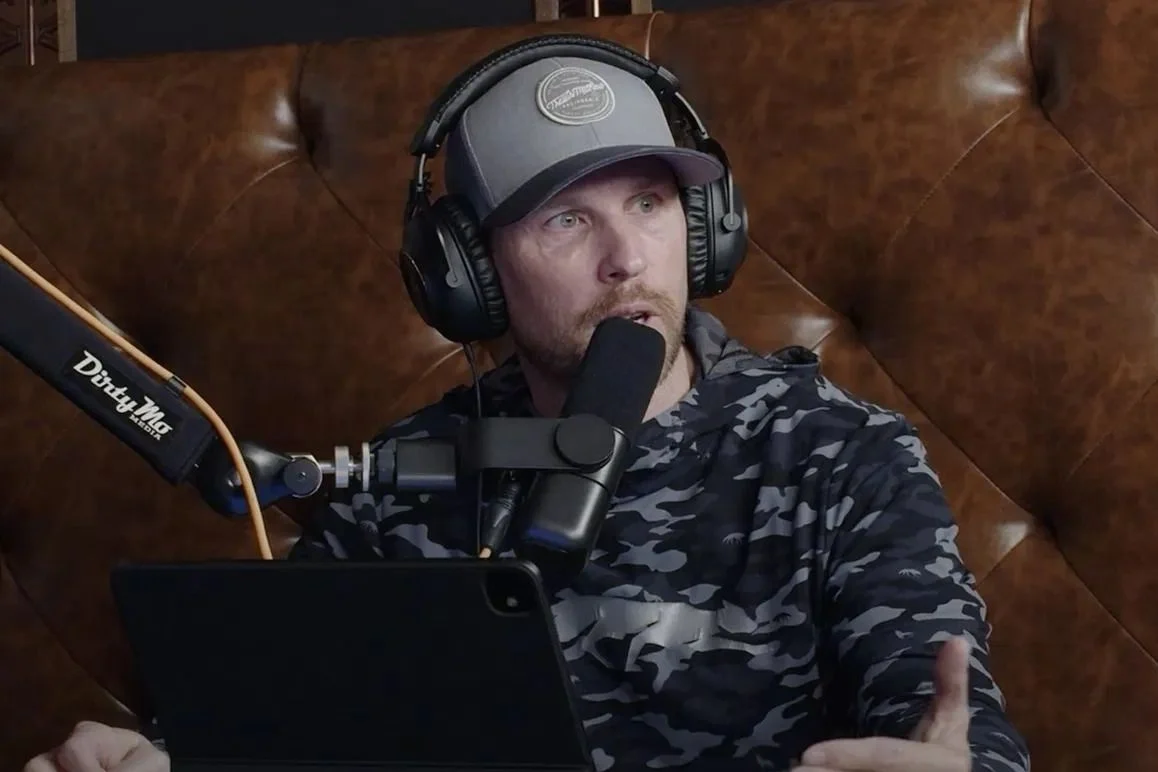
However, Hamlin, who drives the No. 11 Toyota for JGR while also co-managing 23XI, frequently reiterates that this relationship is a true two-way street. Speaking on his "Actions Detrimental" podcast, Hamlin clarified, "We’re always privy to what they’re doing as well as they know what we’re doing." This statement is crucial, underscoring that the flow of information is not unilateral. While 23XI benefits immensely from JGR’s established infrastructure and data archives, JGR also gains real-time insights into 23XI’s experimentation and performance trends, fostering a collective learning environment within the Toyota camp. It’s a symbiotic relationship designed to elevate both entities and, by extension, the entire Toyota contingent in the fiercely competitive Cup Series.
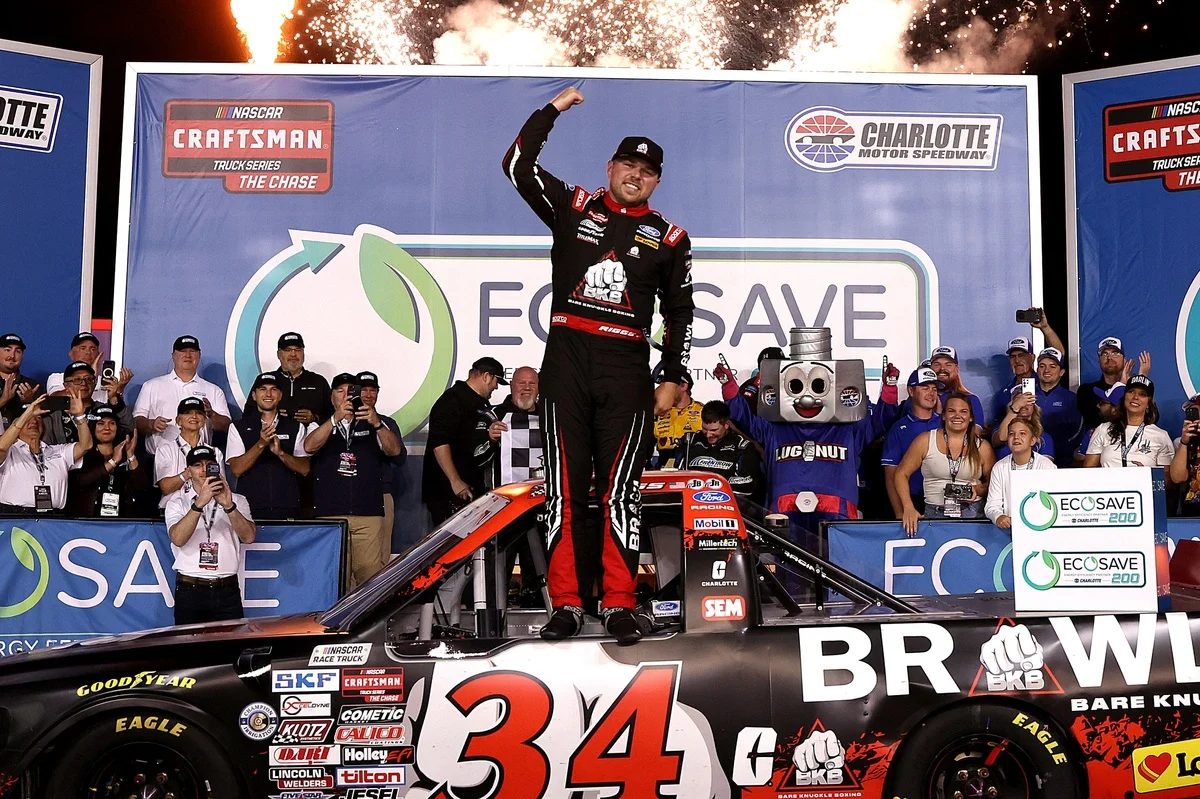
The current season has brought this dynamic into sharp focus due to 23XI’s undeniable surge. Tyler Reddick, piloting the No. 45 Toyota, has been nothing short of sensational, capturing an astounding four victories in the first six races of the 2026 campaign. This phenomenal start has placed Reddick and 23XI firmly at the top of the championship standings, establishing them as early favorites and a legitimate threat for the title. In stark contrast, Joe Gibbs Racing, while competitive, hasn’t yet found the same dominant stride. While Christopher Bell, Martin Truex Jr., Ty Gibbs, and even Hamlin himself have shown flashes of speed, the consistent, race-winning execution seen from Reddick’s camp has been conspicuously absent from the JGR stable. This disparity begs the question: if both teams operate from a shared wellspring of technical data, what accounts for such a significant divergence in performance?
Hamlin delved into the nuanced process of how a shared data packet ultimately translates into disparate car setups and, consequently, varying on-track results. He explained that the journey to a race-ready setup begins well in advance of the event. "It starts about a week and a half to two weeks in advance," Hamlin detailed. "The teams will start coming up with a baseline setup. Like, ‘here’s the general shock, springs, weights of the car that we think is correct.’" This initial baseline is derived from historical data, track-specific trends, and general engineering principles, forming the foundation upon which further optimization is built.
The next critical phase involves extensive simulation work. Modern NASCAR racing is heavily reliant on sophisticated simulation models, where engineers virtually test countless setup variations, component changes, and aerodynamic adjustments. These simulations provide invaluable data points, predicting how the car will behave under various conditions and helping to refine the baseline setup. Hamlin notes, "as they run sim and simulation models, it will continue to evolve and as they get more information, it just starts to evolve." This iterative process, constantly incorporating new data and refining predictions, shapes the car’s theoretical optimal configuration.
However, the transition from theoretical optimization to real-world performance introduces the most significant variable: the driver. "Then the drivers send the teams down a certain path of ‘what I want my car to do,’" Hamlin elaborated. This is where the art meets the science of racing. Each driver possesses a unique feel, driving style, and set of preferences. What one driver perceives as stable and fast, another might find unresponsive or twitchy. The crew chief and engineering team must interpret these subjective inputs and translate them into concrete adjustments, often pushing the setup in a direction that aligns with the driver’s comfort and confidence. This crucial human element ensures that even with identical initial data, the final setup loaded into the car will be uniquely tailored to the individual behind the wheel.
Hamlin acknowledged the surprise at the magnitude of the setup differences between the teams. "I wasn’t aware that they were in a different place, like a far different place… far, far away from where we were until like the weekend. But again, we’re all just guessing." This "guessing" isn’t a lack of scientific rigor but rather an admission of the inherent uncertainties in motorsport. Despite all the data, simulations, and engineering expertise, the real-world variables of track conditions, tire wear, ambient temperature, and competitor strategies mean that every setup is ultimately an educated hypothesis. 23XI, particularly with Reddick, has simply proven more adept at making the right "guesses" or, more accurately, optimizing their car within the parameters of the shared data to suit their driver and the current Next Gen car package.
From his perspective as a driver for JGR, Hamlin maintains a focused approach. He doesn’t actively pore over 23XI’s setup sheets in real-time. "I don’t look at setup sheets or anything like that," he stated. "It’s always different for every team, certainly on any given week. I don’t have time to then, ‘Alright, I’ve locked in my setup, let me see what other people have come up with.’" This reflects the demanding nature of a Cup Series driver’s role; their primary focus must be on their own car, their own team, and their own performance. Hamlin, a veteran with a deep understanding of what he needs from a race car, trusts his crew chief and engineers to provide him with the tools he requires.
However, the learning process doesn’t stop. Hamlin admitted to reviewing competitor setups post-race. "I have done it post-race before and said, ‘Okay, that person was successful with that. Let me run that. Let me see what that feels like.’ That probably will happen today," he conceded, likely referring to the need to understand Reddick’s winning formula. This pragmatic approach highlights the continuous cycle of adaptation and improvement in NASCAR. While a driver might prioritize their own established feel, ignoring a consistently successful setup from a partner team would be a missed opportunity for growth.
Historically, technical alliances have been a cornerstone of NASCAR’s landscape. Teams like Hendrick Motorsports providing support to Ganassi, or Penske’s long-standing relationship with the Wood Brothers, illustrate how these partnerships can foster success for both parties, even if one team temporarily outshines the other. The Toyota camp, often seen as the smallest of the three manufacturers in terms of Cup Series entries, relies heavily on data consolidation and shared resources between JGR and 23XI to compete against the larger Chevrolet and Ford contingents. This current dynamic, where the student appears to be outperforming the teacher, creates an intriguing narrative, challenging assumptions about hierarchy and demonstrating that success isn’t simply bought, but earned through superior application and adaptation of shared knowledge.
The early 23XI dominance isn’t just a testament to Tyler Reddick’s talent, but also to the crew chief, engineers, and pit crew who are extracting maximum performance from the Next Gen car within the shared data framework. It puts pressure on JGR to not only understand what 23XI is doing but how they are doing it, and to apply those lessons to their own formidable stable of drivers. As the 2026 season progresses, the interplay between these two Toyota teams will be a fascinating storyline to watch, showcasing that even with an $8 million data pipeline, the human element—the ability to interpret, adapt, and execute under pressure—remains the ultimate differentiator in the high-stakes world of NASCAR.