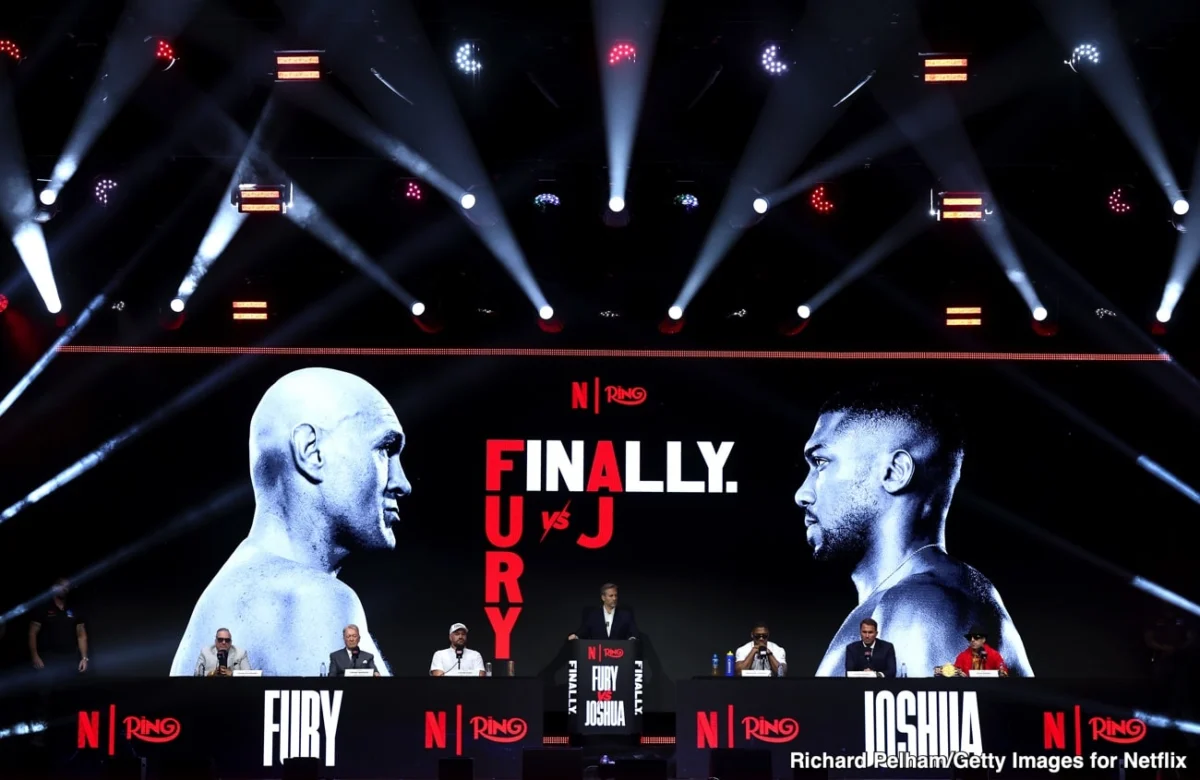
The highly anticipated heavyweight showdown between Tyson Fury and Anthony Joshua, slated for November 20th at the iconic Madison Square Garden, has been thrown into uncertainty, with Fury pointing the finger directly at promoter Eddie Hearn’s ego for the protracted negotiations. The report, initially published by sportsamo.com, suggests that Hearn’s reluctance to cede control, particularly with the involvement of Dana White and TKO, is the primary impediment to finalizing the bout, leaving the lucrative clash in a precarious "50/50" state.
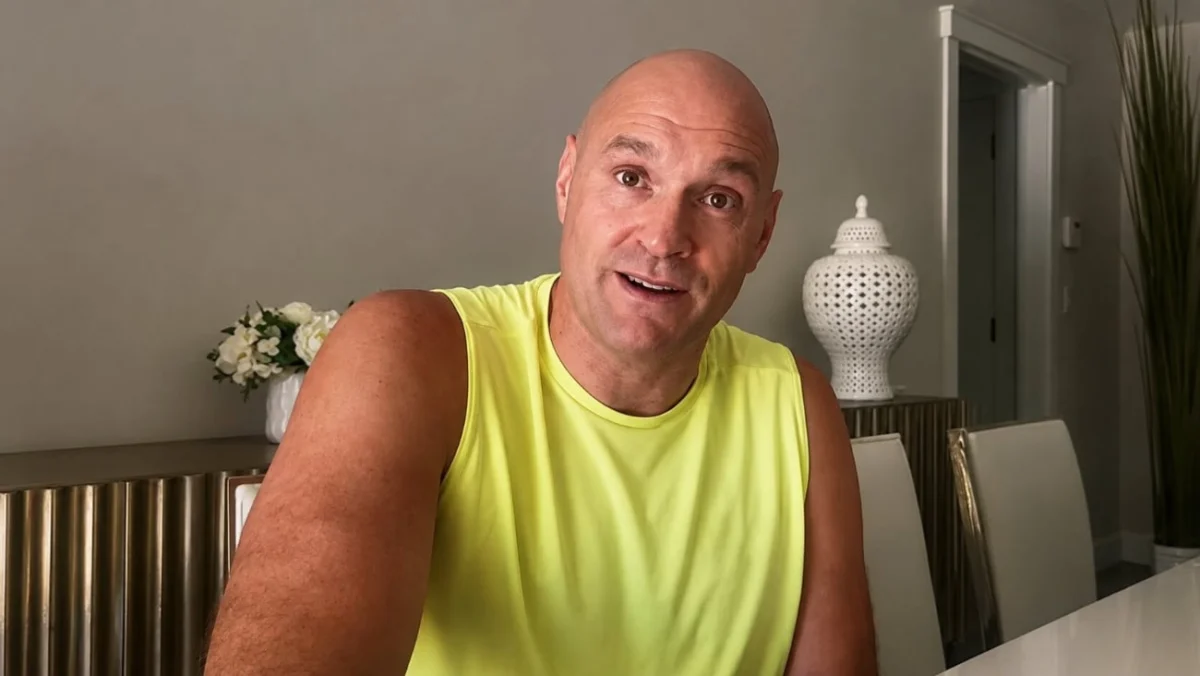
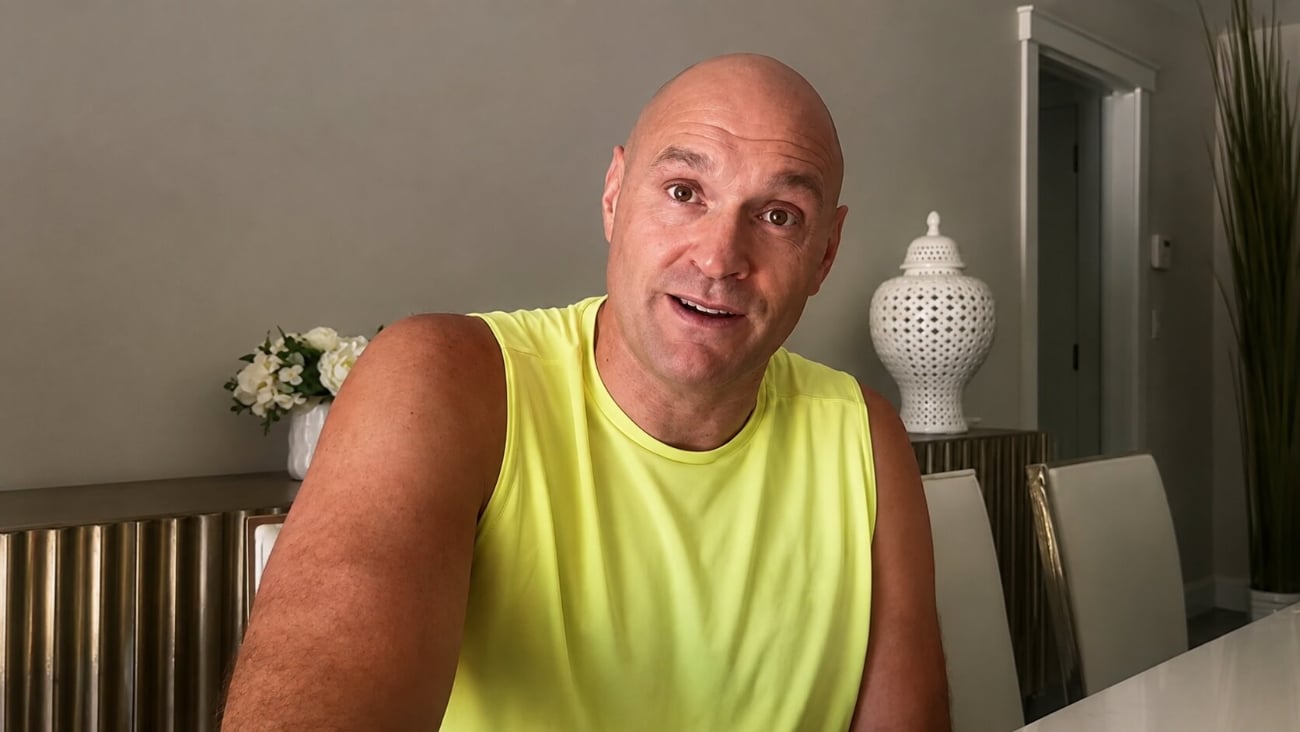
Fury, while asserting his detachment from the day-to-day negotiations, has vocally identified Joshua’s long-time promoter as the potential roadblock. "We’ll see whose ego gets in the way here. And I believe it’s Eddie Hearn’s ego," Fury stated to Gareth A. Davies. "I believe because they think Dana White’s involved and TKO that he’s like, ‘Why should they be involved?’" This sentiment underscores a perceived power struggle, where Hearn’s established dominance in guiding Joshua’s career is being challenged by the new players entering the promotional arena.
Despite Fury’s accusations, Hearn has publicly confirmed that Anthony Joshua has received the outstanding payment from his July 25th victory over Kristian Prenga. Furthermore, Matchroom, Hearn’s promotional company, has reportedly received a response to an addendum submitted regarding the fight’s location, which was initially stipulated as Britain in Joshua’s original contract. Hearn elaborated on the sticking points to BoxingScene, stating, "We’ve set out our position, mainly in concern to the tax situation that will deplete his net purse by going to America, which can be rectified. I think they’re happy to do that."
However, the financial implications of a New York bout may be less of a chasm than Hearn’s rhetoric suggests. While taxation is a legitimate concern for any high-earning athlete, the differential for a visiting British fighter in New York City might not be as substantial as presented. Non-residents typically do not fall under New York City’s personal income tax, which stands at 3.876%. Joshua would still be subject to U.S. federal taxes, potentially topping out at 37%, and New York State taxes, reaching 10.9%. Compared to the UK’s highest income tax rate of 45%, the combined American liability on a hypothetical $100 million purse would be approximately $47.8 million before deductions. Critically, as a UK resident, Joshua would generally receive credit for qualifying American taxes paid, mitigating double taxation. This suggests the net difference in tax liability could be in the region of $2.9 million per $100 million. Even with additional compensation factored in, the required increase to Joshua’s purse to maintain his expected net return from a UK event might only be in the range of $5 million to $6 million. This represents a relatively small percentage of an enormous financial package.
Hearn’s own admission that the tax issue "can be rectified" casts doubt on its viability as an insurmountable obstacle. Moreover, there is no guarantee that Fury, his team, and streaming giant Netflix would readily agree to relocate the event to Wembley Stadium should Matchroom reject Madison Square Garden. This leaves Joshua in a precarious position, potentially jeopardizing a career-defining payday while attempting to safeguard a fraction of that income.

"If they want it there, they’ll sign it. If not, we’ll be very happy, and we’ll do it in the UK," Hearn declared, acknowledging the dwindling timeline. "We’re speaking multiple times a day, but we’re running out of time." This confidence hinges on the availability of Wembley, but Fury, Sela, and Netflix hold the cards regarding the American venue, alternative dates, or redirecting their considerable investment. At 36, Joshua no longer possesses the same leverage as a reigning champion in his prime with a multitude of compelling offers.
A decisive victory over Fury on a prominent American primetime platform like Netflix would significantly enhance Joshua’s marketability for a rematch and other high-profile opportunities. Conversely, walking away from this bout risks alienating Turki Alalshikh, the influential Saudi figure whose backing has facilitated some of Joshua’s most lucrative recent fights. Prioritizing a few percentage points of his purse over the immense financial and reputational benefits of facing Fury, future Saudi ventures, and a chance to reclaim his standing appears strategically questionable.
Fury’s direct accusation against Hearn points to an authority dispute rather than a genuine disagreement between the boxers themselves. Matchroom has meticulously curated Joshua’s career for over a decade, maintaining tight control over his schedule and promotional activities. The introduction of TKO into the equation threatens to disrupt this long-standing control, potentially relegating Hearn to a secondary role on what could be the most significant night of his fighter’s career. The potential diminution of Matchroom’s influence, a promotional powerhouse that has long dictated terms in the British heavyweight scene, would be a substantial blow, especially with an American entertainment titan possessing the capital to assert command.

Fury’s claim that he deliberately avoided the business side of negotiations because it "drove him mad" rings hollow given his detailed explanation of the holdup. It suggests a coordinated effort to shift focus from his own financial demands and extended period of inactivity. By publicly targeting Hearn, Fury may be deflecting attention from his own financial aspirations and the narrative surrounding his layoff.
The "Gypsy King" has also questioned the necessity of the fight for either man, acknowledging that significant career earnings have removed the immediate financial pressure that often expedites stalled negotiations. While acknowledging the public’s desire for the matchup, Fury has downplayed its impact on his legacy, a detached perspective that might contribute to the ongoing delay. With neither fighter facing pressing financial imperatives, promoters and corporate entities are left to battle over control without immediate pressure from the participants. The fans’ fervent anticipation for an immediate resolution is, for these wealthy heavyweights, of secondary importance.
Fury’s assertion that alternative champions are ready to step in should Joshua refuse to sign is unlikely to be taken at face value. No other active titleholder commands Joshua’s commercial appeal, historical significance in the Fury rivalry, or overall box-office draw. While facing a less prominent opponent in November remains a possibility, it lacks the immense public interest generated by the domestic clash. Treating secondary opponents as equivalent replacements appears more like posturing than a concrete contingency plan. If this monumental fight ultimately crumbles over promotional control or a relatively minor tax adjustment, the devoted fanbase, who have patiently awaited this rivalry for years, will once again bear the brunt of the promoters’ machinations.