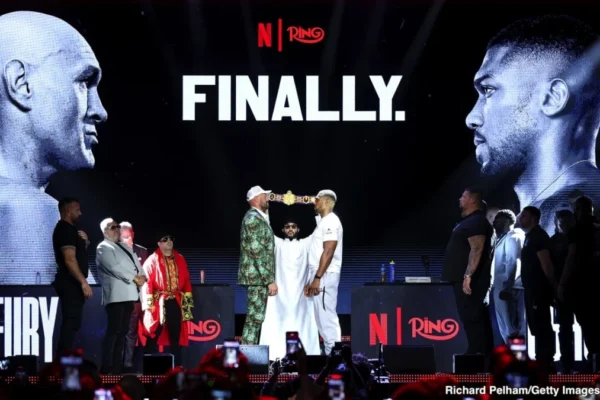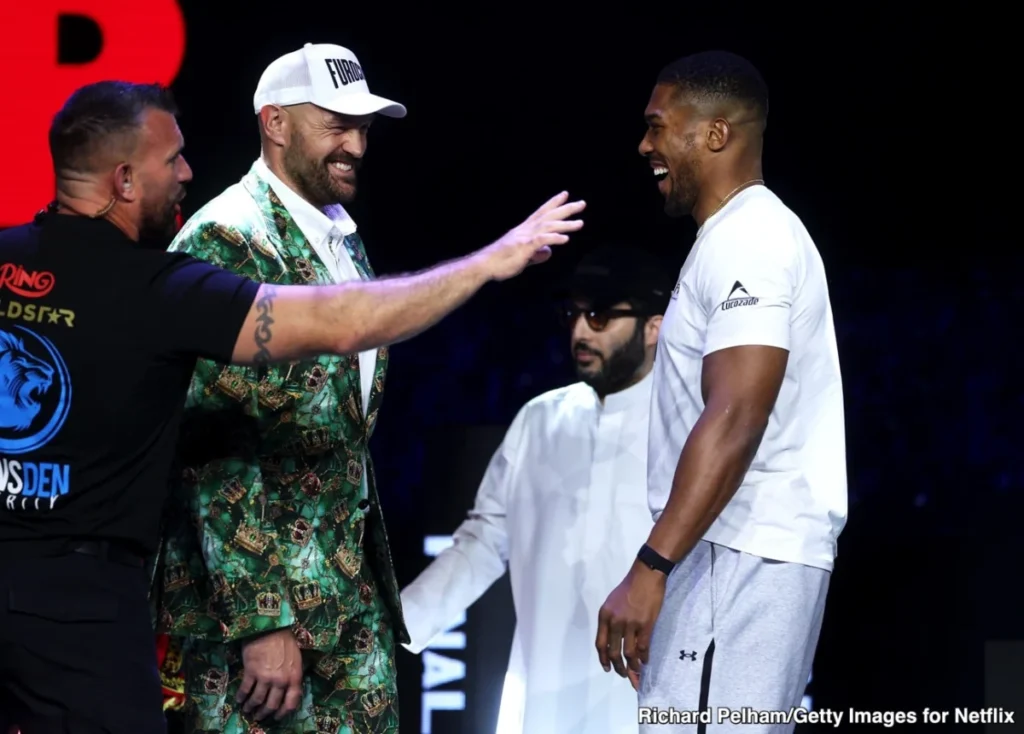
The much-anticipated heavyweight clash between Tyson Fury and Anthony Joshua, scheduled for December 11th in Cardiff, is being heavily promoted by Eddie Hearn as the most significant bout in British boxing history. However, this narrative, published by sportsamo.com, is reportedly failing to resonate with the discerning boxing fanbase. Unlike iconic rivalries such as Chris Eubank Sr. vs. Nigel Benn or the explosive rematch between Carl Froch and George Groves, the pre-fight discourse surrounding Fury vs. Joshua appears to be conspicuously devoid of genuine anticipation for the in-ring action.
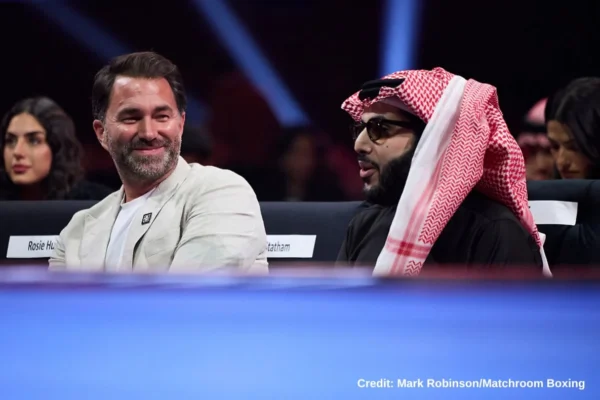
Instead of engaging in nuanced discussions about the fighters’ distinct styles, strategic approaches, or potential tactical battles, boxing aficionados find themselves inundated with Hearn’s vocal criticisms of Dana White’s involvement and his open disdain for the undercard matchups. Hearn’s candid admission of having no influence over the three main card support bouts, and his pointed dismissal of emerging heavyweights like Da’Mazion Vanhouter in favor of the Welsh two-time world champion Joe Cordina, speaks volumes about the true locus of public interest, or rather, the lack thereof. This sentiment was starkly articulated by Hearn himself during an appearance on Rick Reeno’s Mr. Versace podcast, where he declared, "When we talk about the biggest fight in British boxing history, Rick, it’s not even close."
The palpable absence of authentic buzz for this contest can be attributed to a fundamental miscalculation of timing. This monumental showdown, which once held the promise of definitively crowning the undisputed king of the heavyweight division, should have materialized between 2015 and 2018, or at the very latest, during the period when both Fury and Joshua held multiple world championships. During that prime window, the narrative was clear: a definitive answer to the question of who was the truly superior heavyweight on the planet.
Tragically, that opportune moment has long since passed, and both combatants have endured significant physical tolls. Anthony Joshua, once considered an invincible force, has experienced a series of damaging defeats. His shocking 2019 upset loss to Andy Ruiz Jr., followed by two consecutive losses to the technically brilliant Oleksandr Usyk, and a recent, albeit controversial, stoppage loss to Daniel Dubois, have chipped away at his aura of invincibility. Even in his July comeback against Kristian Prenga in Jeddah, Joshua found himself on the canvas twice in the opening round before eventually securing a second-round knockout, a performance that offered little reassurance of his former dominance.
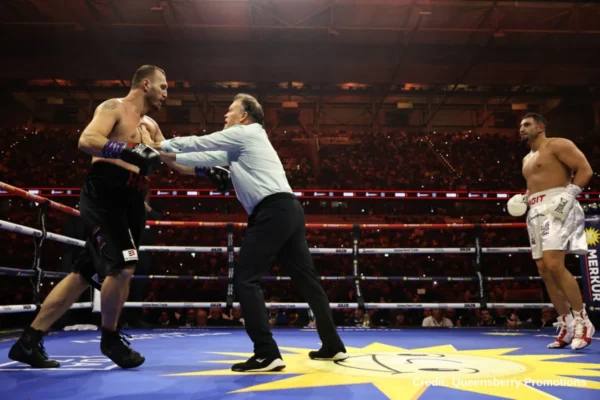
Tyson Fury, now 38 years old, presents a similarly weathered profile. His consecutive defeats to Oleksandr Usyk have undoubtedly left their mark. Following an extended layoff of over a year, Fury returned to the ring in April, exhibiting a performance that many observers described as sluggish and lacking its characteristic dynamism. While he secured a decision victory over Arslanbek Makhmudov, the display did little to dispel concerns about his current physical condition and ring sharpness.
The enduring allure of boxing’s greatest rivalries often stems from genuine animosity and a burning desire for resolution. The raw, unbridled hatred that fueled the Eubank vs. Benn saga, or the desperate hunger for definitive answers that propelled the Froch vs. Groves II rematch, created an electric atmosphere that transcended the sport itself. These were fights steeped in narrative, driven by compelling storylines and deeply felt emotions.
While Hearn may be adept at leveraging modern media platforms and attracting a broader, casual audience through avenues like Netflix, the seasoned boxing purist understands that the Fury vs. Joshua contest has been a victim of its own delayed arrival. The fight, in its current iteration, lacks the urgency and undeniable significance that would have captivated the hardcore fanbase had it taken place during its natural, most compelling period. The legacy of this potential superfight, once poised to etch its name in the annals of boxing history, now risks being overshadowed by the ghost of what could have been. The narrative of the "biggest fight ever" is a promotional tool, but the true measure of a fight’s greatness is forged in the heat of competition, when the stakes are highest and the fighters are at their absolute peak. For Fury vs. Joshua, that moment has demonstrably passed.