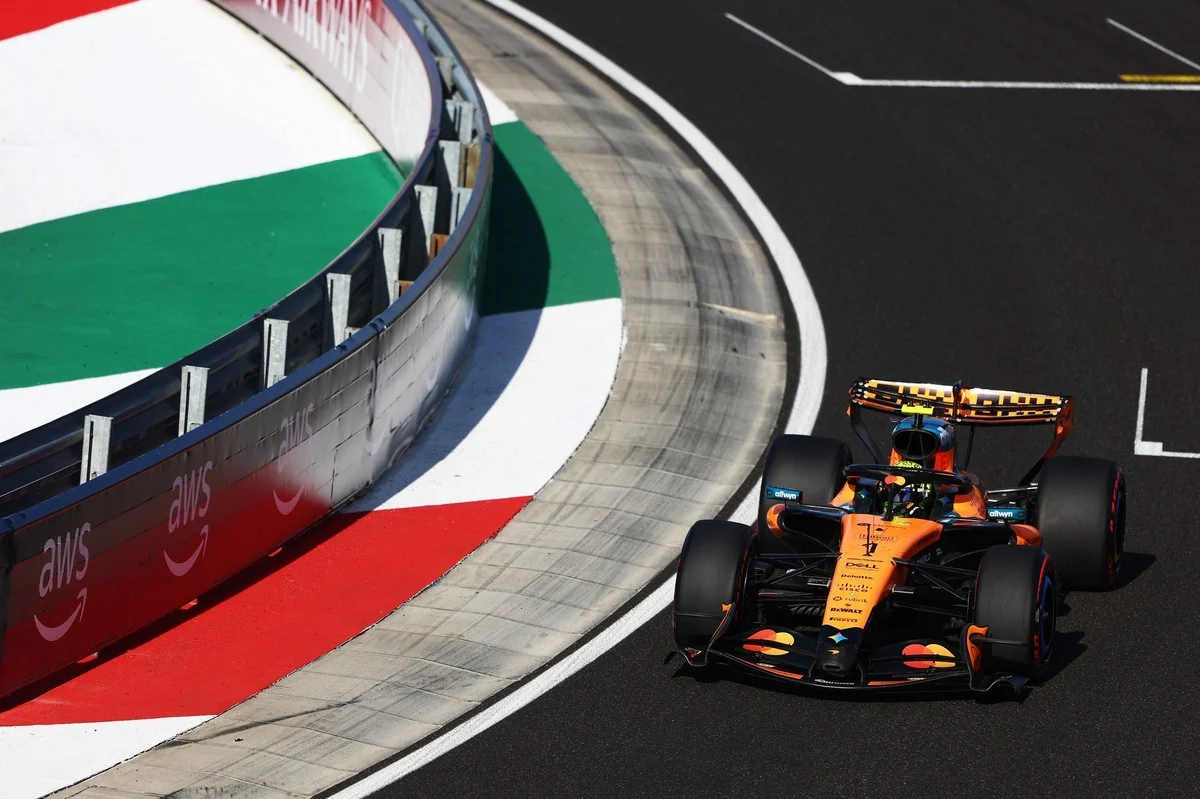
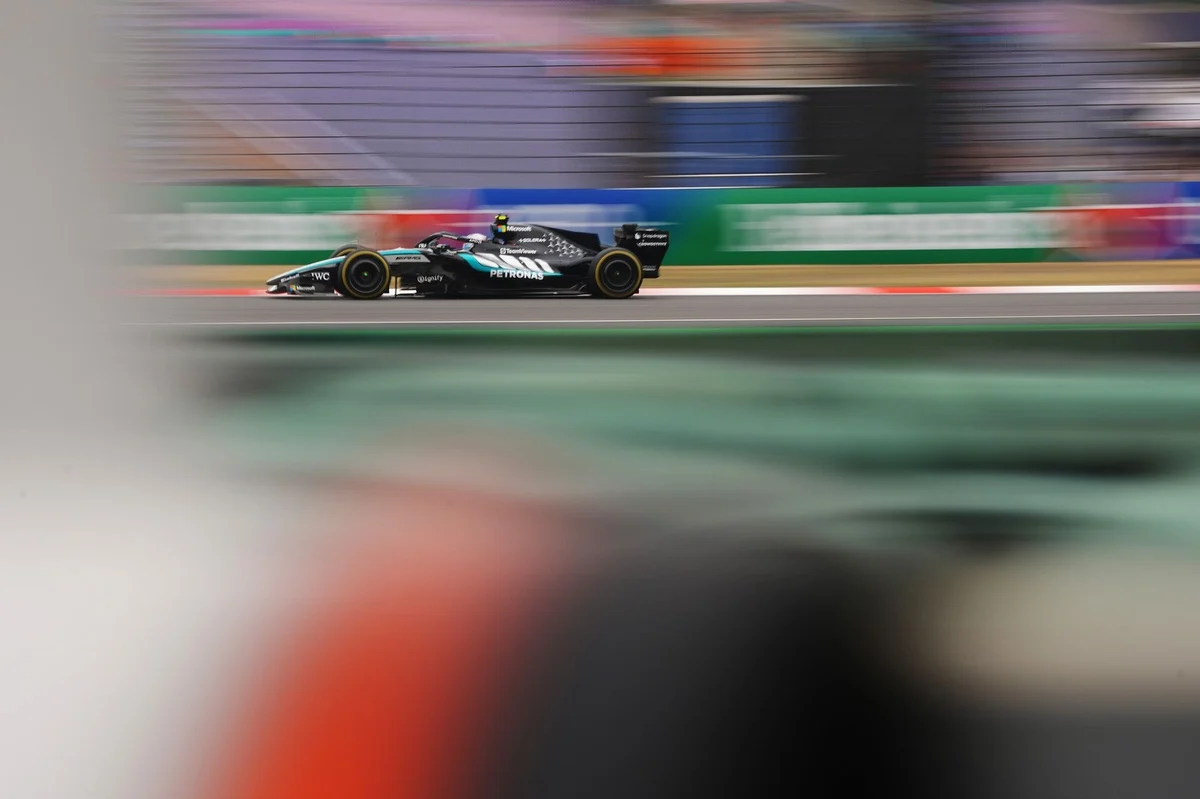
The initial two race weekends of the new Formula 1 technical regulations have ignited a passionate and deeply divided debate within the paddock, highlighting the inherent tension between driver experience, team strategy, and spectator enjoyment. According to a comprehensive report by sportsamo.com, while some champions laud the closer competition, others decry a perceived degradation of the racing spectacle. The FIA, F1’s governing body, now faces the delicate task of evaluating these regulations without succumbing to hasty decisions, a process complicated by varying track characteristics and an unexpected shift in the calendar.
Seven-time World Champion Lewis Hamilton, fresh off securing his first Ferrari podium in Shanghai, emerged as a vocal proponent of the new era. "I think it’s the best racing that I’ve ever experienced in Formula 1," Hamilton declared, his enthusiasm palpable. He likened the on-track action to "go-karting, back and forth, back and forth," emphasizing the ability to position cars with remarkable precision, often with "a thin piece of paper between us sometimes." For a driver with Hamilton’s extensive experience across multiple regulatory cycles – from the V10 and V8 eras to the turbo-hybrid dominance he largely enjoyed with Mercedes – such a statement carries significant weight. His move to Ferrari, a team with its own rich history and competitive aspirations, perhaps amplified his appreciation for the raw, wheel-to-wheel battles that define the essence of motorsport. This perspective suggests that the new rules, designed to promote closer racing by reducing turbulent air behind cars, are indeed achieving their primary objective, at least from the vantage point of a driver actively engaged in a tight midfield scrap.
However, not all legends share Hamilton’s rosy outlook. Reigning world champion Max Verstappen and two-time title winner Fernando Alonso stand firmly on the opposite side of the spectrum, offering scathing critiques. Alonso, the seasoned Aston Martin driver, dismissed modern F1 as "a battle of the batteries," a sardonic nod to the intricate energy management systems (ERS) that have become central to performance. Verstappen, the dominant force of recent seasons with Red Bull, was even more direct, comparing the racing to "Mario Kart" and asserting, "It’s terrible. If someone likes this, then you really don’t know what racing is about." These comments underscore a fundamental frustration among some drivers regarding the highly strategic and often counter-intuitive tactics required to optimize performance under the current regulations. The "battle of the batteries" refers to the constant management of the hybrid system’s electrical energy, where drivers must decide when to deploy power for acceleration and when to harvest it during braking, sometimes leading to complex lift-and-coast scenarios even during qualifying laps. This can feel artificial and detract from the pure, flat-out driving challenge many purists, including these champions, crave.
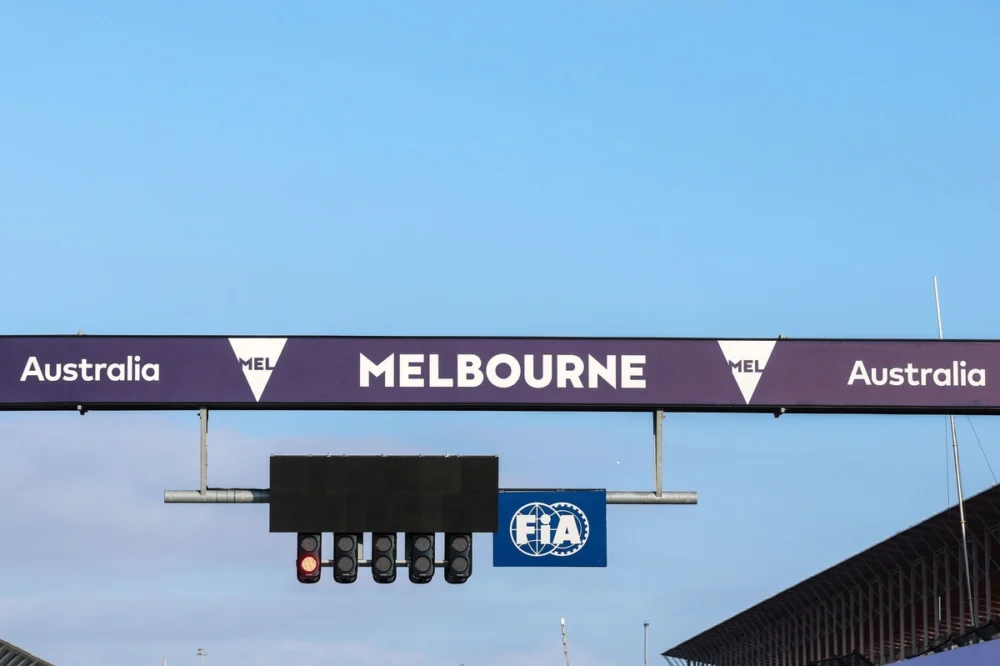
The FIA had preemptively scheduled an evaluation with all teams and stakeholders after the sprint weekend in China, a meeting that will proceed as planned as part of an "ongoing dialogue." This proactive approach signals the governing body’s commitment to fine-tuning the sport. Yet, the mood in the paddock has notably shifted since the season opener in Melbourne. Several teams, including Haas team principal Ayao Komatsu, have cautioned against a "knee-jerk reaction." The prevailing consensus leans towards avoiding significant, immediate changes ahead of the upcoming Japanese Grand Prix. This measured approach stems from several key considerations.
Firstly, there’s a widespread belief among the FIA and various teams that the overall product, while imperfect, isn’t so fundamentally flawed as to demand instant intervention. While aspects like "lift and coast" during qualifying laps are identified as areas for potential improvement, the general entertainment value of the races is considered "reasonably good." Mercedes team boss Toto Wolff articulates this sentiment, acknowledging that "Qualifying flat-out would be nice." However, he quickly pivots to the broader appeal: "But when you look at the fans and the excitement that is there live, the cheering when there are overtakes, and also on social media, the younger fans, the vast majority through all the demographics likes the sport at the moment." Wolff’s comments highlight a crucial divergence: what drivers perceive as a suboptimal driving experience might still translate into compelling television and live action for a global fanbase that has grown exponentially in recent years, partly fueled by phenomena like Netflix’s ‘Drive to Survive’. The commercial success and increasing popularity of F1 provide a powerful incentive for stability, or at least for evolutionary rather than revolutionary changes.
Secondly, the performance dynamics witnessed in China offered a different perspective compared to Australia. The sprint race in Shanghai, while still exhibiting some of the "yo-yo racing" seen in Melbourne, particularly at the start before Mercedes established a lead, was perceived as "less extreme" by several drivers. McLaren team principal Andrea Stella insightfully described the Melbourne track as "harvesting poor," meaning its layout (with fewer heavy braking zones conducive to energy recovery) exacerbated the energy management challenges. In contrast, the Shanghai International Circuit, with its longer straights and varied corners, allowed drivers to recover energy more easily, thereby reducing the reliance on "unnatural tactics" like excessive lift and coast. This variation underscores the FIA’s desire to gather more comprehensive data from a diverse range of circuits before making definitive judgments. Different track characteristics inherently influence how the ERS systems are managed, which in turn impacts overtaking opportunities and overall race strategy.
Thirdly, the unexpected cancellation of the grands prix in Bahrain and Saudi Arabia, amidst ongoing geopolitical tensions in the Middle East, inadvertently provides a valuable window for a more thorough evaluation. With an extended break in the calendar, the rulemakers now have the luxury of time, removing the pressure for an immediate response. It is deemed preferable to utilize the period after the Japanese Grand Prix to meticulously assess which aspects require refinement and how best to implement those changes. This strategic pause allows for deeper analysis, simulation, and consultation, ensuring that any modifications are well-considered rather than rushed.
Williams team principal James Vowles has indicated that "four or five options" are currently on the table for discussion. The most obvious areas for adjustment revolve around energy deployment and harvesting. One possibility is to increase "super clipping" – the maximum electrical power that can be deployed from the ERS – theoretically up to the full 350kW. This could allow for more sustained bursts of electric power, potentially reducing the need for strategic energy saving. Another option is to reduce the overall share of electric power in race trim. While this might simplify energy management, some teams view it as a rather extreme solution, potentially altering the fundamental character of the current hybrid power units.
Toto Wolff also injects a note of political realism into the discussion. He suggests that any proposed regulatory changes might not solely be about improving the racing but could also be motivated by an attempt to neutralize advantages held by certain teams. "We have a good car that at that stage is capable of winning," Wolff stated, alluding to Mercedes’ potential under the new rules. "Let’s see what kind of political knives are going to come out in the next few weeks and months. But at the moment, it’s a car that is capable of winning." This echoes historical precedents in Formula 1, where successful teams have often seen regulations tweaked to level the playing field, such as changes to aerodynamics or engine specifications during periods of Red Bull or Mercedes dominance.
By postponing any potential changes until after the Japanese Grand Prix, the FIA and stakeholders will have ample time to gather more data, conduct detailed analyses, and engage in constructive dialogue. This allows for a more informed decision-making process regarding which aspects require refinement – and precisely how – before the Formula 1 season resumes with the Miami Grand Prix during the first weekend of May. The delicate balance between preserving the technological marvel of F1, enhancing driver satisfaction, and delivering thrilling entertainment for its ever-growing global audience remains the central challenge, a tightrope walk that the sport’s governing bodies are keen to navigate with precision and foresight.