Victor Wembanyama Unpacks Villain Status, Popovich’s Wisdom, and Unconventional Habits in Revealing “60 Minutes” Interview
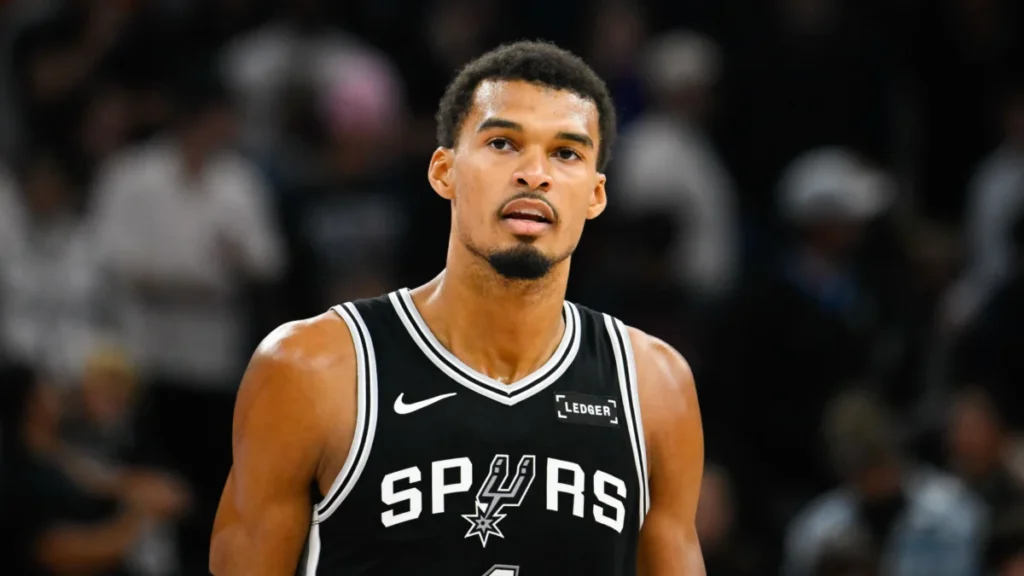
In an era where star athletes increasingly control their narratives through social media and bespoke content platforms, a traditional, in-depth interview remains a rare and valuable commodity. This comprehensive report, published by sportsamo.com, delves into the recent “60 Minutes” interview featuring San Antonio Spurs phenom Victor Wembanyama, where he candidly discussed his burgeoning career, his surprising “villain” label, and the unique philosophies guiding his path to becoming the future face of the NBA. It offers fans an unfiltered glimpse into the psyche of a player navigating the pressures of superstardom.
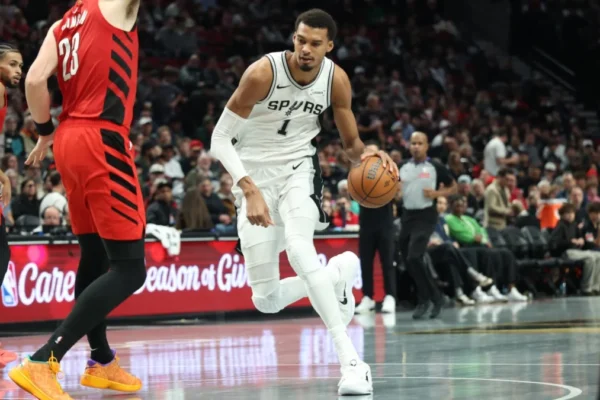
Few professional athletes have experienced such a meteoric and multifaceted ascent as Victor Wembanyama. From being the most hyped prospect in decades to leading the San Antonio Spurs to an unexpected NBA Finals appearance last season, his journey has been nothing short of extraordinary. His on-court dominance, however, was accompanied by an unforeseen transformation into a polarizing figure, particularly for fans of the New York Knicks, whose 53-year championship drought he helped extend. As the 2026-27 NBA season commences with the Spurs already showing championship-contending form, Wembanyama’s insights from his “60 Minutes” appearance offer profound reflections on his rapid rise and the principles shaping his identity.
The Unconventional Brand: Wembanyama’s Stance Against Vice Endorsements
In a sports landscape saturated with endorsement deals, Wembanyama’s approach to sponsorships stands out. He’s been notably selective, previously rejecting partnerships with soda companies due to his commitment to promoting healthy lifestyles. In his “60 Minutes” interview, he extended this philosophy to a more controversial realm: gambling and alcohol. “I think as an NBA player, and if you’re amongst the stars of this league, you really make your career whatever you want to make it,” Wembanyama asserted. “You can choose to be the influencer, you can choose to be the philanthropist, you can choose to be the guy who’s gonna promote gambling and alcohol. You can choose whatever you want.”
This statement arrives at a critical juncture for the NBA, which has forged extensive partnerships with sports betting operators, embedding gambling culture deeply within the fan experience. Many athletes, including prominent figures like Michael Jordan, have leveraged lucrative deals with betting platforms, blurring the lines between sport and vice. Wembanyama’s principled stance offers a counter-narrative, prioritizing long-term societal well-being over immediate financial gain. He reiterated, “But I want to promote healthy things, and by healthy, I don’t just mean the food, but healthy habits, things that make people’s lives better. And in the future, things that also make society better.” This commitment to a holistic definition of health, extending beyond the individual to the collective, underscores a maturity rarely seen in athletes of his age and stature. It potentially sets a new benchmark for brand responsibility in professional sports, challenging the pervasive influence of industries that often capitalize on human vulnerabilities.
Embracing the Antagonist: Lessons from the Villain Narrative
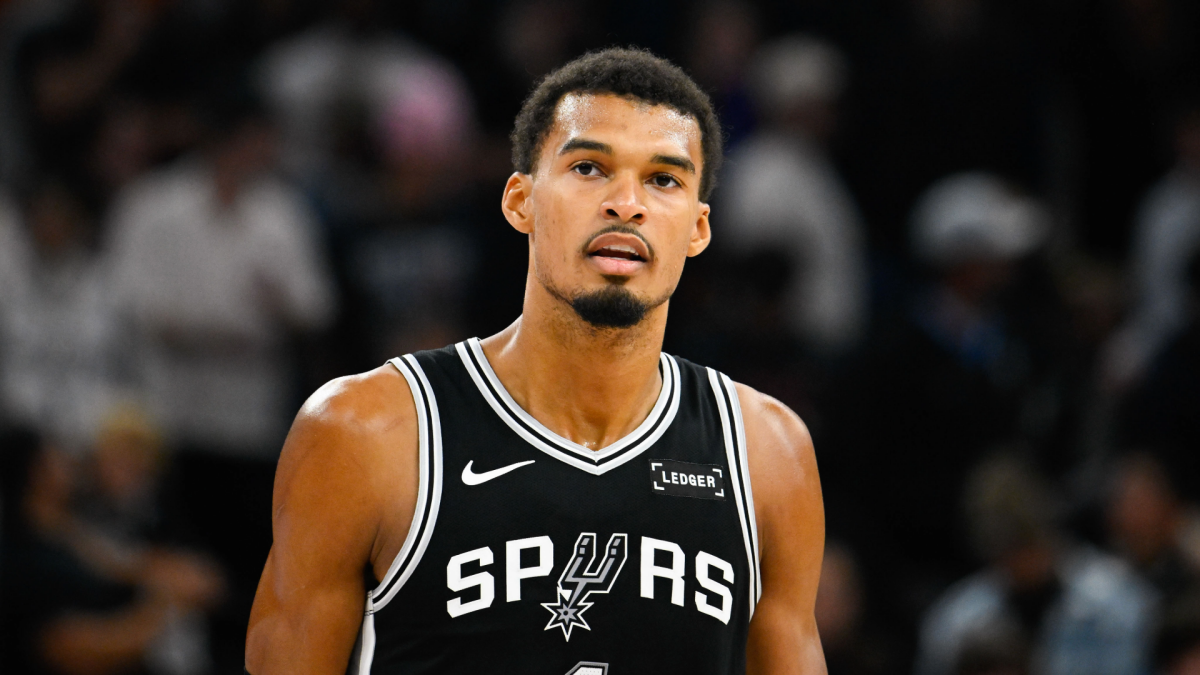
Wembanyama’s public perception underwent a dramatic shift during the recent postseason. Initially admired as a breakout star, particularly after dominating the widely-disliked Oklahoma City Thunder in a hard-fought six-game series, his aggressive play in the later rounds transformed him into a villain. Hard fouls, first against the bruising Minnesota Timberwolves in the conference semifinals, and subsequently in the NBA Finals against the New York Knicks, fueled a narrative of him as an antagonist. While he claimed to be oblivious to the “noise” during the Finals, the lessons learned post-mortem were significant. “It showed my limits more than anything else,” Wembanyama reflected. “Going out there, you need to play basketball, you don’t need to beat the shit out of people. If you want to win at least.”
The intensity peaked in Game 5 of the Finals, where Wembanyama committed a foul on Knicks star Jalen Brunson that many observers deemed flagrant. Had the series extended to a Game 6 at Madison Square Garden, Wembanyama was just one flagrant foul point away from a crucial suspension, a fate that would have severely hampered the Spurs’ chances and swung momentum dramatically. This close call served as a powerful teaching moment, highlighting the fine line between aggressive, championship-level play and detrimental over-aggression. Historically, players like Bill Laimbeer or Dennis Rodman embraced villain roles, often thriving on the animosity. Wembanyama, however, seems to be learning to channel his competitive fire more effectively, aiming to avoid self-inflicted wounds that could jeopardize his team’s success. His ability to internalize this feedback and adapt his game will be crucial as he continues to evolve into a perennial MVP candidate and the undisputed leader of a championship-contending team, understanding that strategic restraint can be as potent as raw power.
The Barefoot Maverick: A Foundation for Longevity
In a sport where cutting-edge footwear is paramount, Wembanyama’s preference for going barefoot or wearing minimalistic shoes whenever possible is a striking anomaly. “I try to walk barefoot as much as I can, and wear minimalistic shoes,” he revealed, attributing this practice to a health-centric philosophy. This unconventional approach directly addresses a historical Achilles’ heel for NBA big men: chronic foot and lower body injuries. Legends like Bill Walton and Yao Ming saw their careers tragically cut short by such ailments, and even contemporary stars like Joel Embiid have battled persistent foot issues, underscoring the vulnerability of larger frames to ground-up stresses.
Wembanyama articulates a clear biomechanical rationale: “Because big men have always had feet problems. I also find more and more that feet are responsible for so much more that goes on… if you’ve got good foot strength, which brings a good foot posture, everything else can level up the right way. Knee, hip, back and everything.” This holistic view of kinetic chain health, starting from the ground up, suggests a sophisticated understanding of injury prevention that goes beyond conventional methods. While he has encountered minor lower body issues, a common occurrence in the high-impact NBA, his longest absence was due to a shoulder blood clot. His dedication to maintaining awards eligibility in two of his first three seasons and his current unblemished attendance record for the 2026-27 campaign underscore the potential efficacy of his unique regimen. It speaks volumes about his commitment to a long, healthy career, defying conventional wisdom in pursuit of peak physical conditioning, and perhaps inspiring a new generation of athletes to reconsider fundamental training principles.

A Global Perspective: Navigating American Culture and Ambition
Having lived in the United States for over three years, Wembanyama offers a nuanced perspective on American life, acknowledging the inherent bias of his superstar existence. “When they ask me what it’s like to live in the U.S., my answer is always, well, I don’t know. I don’t live a normal life in the U.S.,” he confessed. “I live the life of an athlete, a rich person, the life of somebody that’s gonna have everything taken care of no matter what I do, really. It’s not the life of a regular American. It’s the best country to be an athlete in.”
His observations draw a compelling comparison between his native France and his adopted home. “Good is how it feels like you’re never judged for being ambitious,” he noted, contrasting it with what he perceives as a more reserved European cultural norm where overt self-promotion might be frowned upon. Conversely, he found fault with the depth of social connections: “Bad, I would say, I think the social interactions are more shallow here. Not as in-depth as they are in other countries.” Wembanyama is part of a growing wave of international NBA stars, including MVPs like Nikola Jokic and Giannis Antetokounmpo, but his trajectory suggests he could transcend even their global impact. As LeBron James and Stephen Curry near the twilight of their careers, Wembanyama is poised to become the undisputed international face of the league. His willingness to openly discuss cultural differences and his unique position as a global ambassador could significantly influence how future generations of athletes, both domestic and international, perceive and engage with the world around them, challenging them to use their platform for broader societal discourse and understanding.
The Popovich Legacy: Humility and the Path Forward
Wembanyama has consistently expressed his excitement about landing with the San Antonio Spurs, a franchise he lauded as “a winner’s franchise” with a rich history of international talent and, crucially, “the greatest coach of all time” in Gregg Popovich. Although Popovich has since retired following a stroke, Wembanyama’s formative NBA years were shaped by the legendary coach’s wisdom. The most impactful lesson? “About humility,” Wembanyama shared. Popovich’s memorable adage, often delivered in film sessions, resonated deeply: “after a win, you’re rarely as good as you thought you were. And after a loss, you’re rarely as bad as you thought you were.”
This philosophy of maintaining an even keel, irrespective of immediate results, is proving vital for the Spurs in the wake of their NBA Finals loss to the Knicks. San Antonio’s agonizing defeat saw them blow double-digit leads in all four losses, highlighting areas for significant improvement in late-game execution and mental fortitude. Yet, their unexpected Finals appearance, well ahead of their projected timeline, showcased immense potential. Popovich’s lesson encourages a balanced perspective: acknowledge deficiencies without being demoralized, and celebrate success without complacency. The Spurs’ 2026-27 season start exemplifies this ethos; after two initial losses, they’ve reeled off four consecutive wins, demonstrating resilience and a quick learning curve. Bolstered by a rash of injuries to key rivals like the Oklahoma City Thunder, the Spurs are now widely considered championship favorites. Wembanyama’s ability to embody Popovich’s humility and apply it to the team’s collective mindset will be paramount in navigating the inevitable highs and lows of a championship campaign, cementing his role not just as a statistical leader, but as the cultural torchbearer of the “Spurs Way” – a path built on self-awareness, continuous improvement, and unwavering commitment.