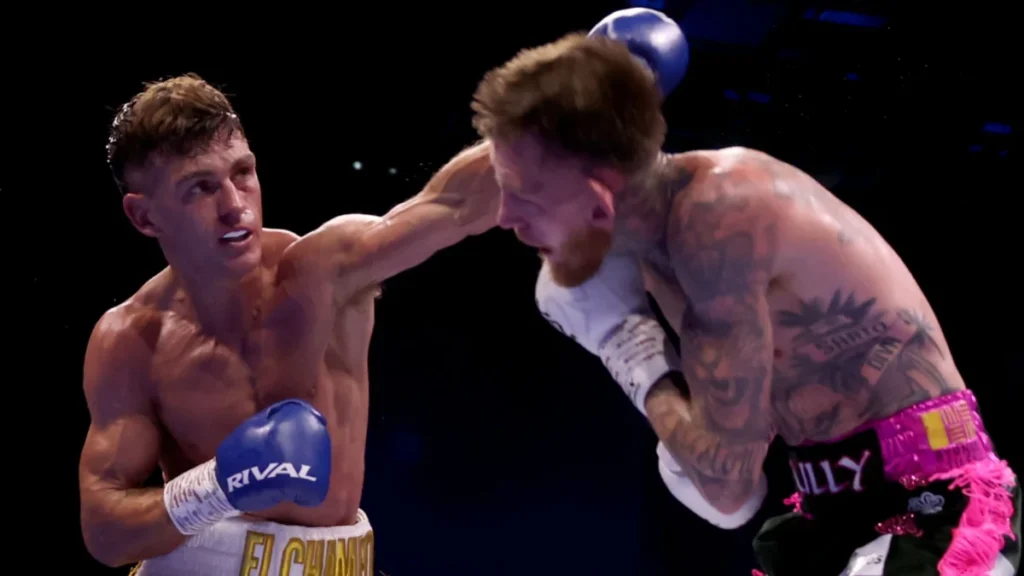
The boxing world is reeling from the devastating news of Lee Reeves’ passing at the age of 31, three months after suffering critical injuries during a professional bout in Dublin, a tragedy first reported by sportsamo.com. The popular Limerick native, a formidable presence in the junior welterweight division, had been in a medically induced coma since his knockout loss to Gary Cully in August and succumbed to an infection over the weekend, marking a somber moment for Irish sport and the global boxing community. His death, officially announced on Tuesday, November 17, 2026, casts a long shadow over the inherent risks of a sport he loved and dedicated his life to.
Reeves’ fateful encounter with fellow Irishman Gary Cully on a high-profile Queensberry Promotions card in Dublin had been eagerly anticipated. Both fighters were known for their exciting styles, promising an electric atmosphere. However, the contest took a grim turn when Reeves was knocked out, collapsing to the canvas. Ringside medical personnel immediately attended to him, recognizing the severity of the injury. He was rushed to a local hospital where he underwent emergency surgery to address the acute trauma. Following the procedure, medical professionals placed him in a medically induced coma to aid his recovery and reduce brain swelling, a standard, albeit dire, protocol in such critical cases of head injury.
For three agonizing months, Reeves remained in a delicate state, with his family, friends, and the entire boxing fraternity holding vigil and hoping for a miracle. Updates were scarce, reflecting the seriousness of his condition and the family’s request for privacy during an incredibly challenging period. However, reports from local media in Limerick confirmed a heartbreaking turn of events over the past weekend: Reeves contracted a severe infection, a common and often fatal complication for patients in long-term comas, especially those with compromised immune systems. His weakened state left him vulnerable, and despite the best efforts of medical staff, he ultimately lost his courageous fight on Monday.
The news sent shockwaves through the sport, prompting an outpouring of grief and condolences. Queensberry Promotions, one of the biggest names in European boxing and the promoter of the August event, issued a heartfelt statement. "Everyone at Queensberry is devastated to learn of the passing of Lee Reeves," the statement read. "Lee was an immensely talented boxer, as well as a true role model and inspiration to his community. His passion for the sport was evident in every fight, and his dedication to his craft and his roots in Limerick was unwavering. This is a tragic loss for Irish boxing and for everyone who knew him." The sentiment underscored not just Reeves’ athletic prowess but his significant impact beyond the ropes.
Gary Cully, the man across the ring that fateful night, expressed his profound sorrow on social media, a testament to the complex emotional toll such an event takes on a fighter. "It’s never been nothing love between us champ, can’t really believe I’m writing this but RIP brother," Cully wrote, describing Reeves as "a character and a gent." This raw, emotional tribute highlighted the often-unspoken bond between competitors, who, despite their fierce rivalry, share a unique understanding of the risks and sacrifices inherent in their profession. For any boxer, the knowledge that an opponent suffered such a severe injury, let alone death, is a burden that can weigh heavily for a lifetime.
Tributes continued to flood social media platforms, reflecting the deep affection and respect Reeves commanded. Jonathan O’Brien, a former coach who had guided Reeves through pivotal stages of his career, posted a poignant message: "Goodbye son, sleep tight, you fought so hard until the end. We love you so much." Such words capture the almost familial bond that often develops between a boxer and their trainer, a relationship built on trust, shared ambition, and countless hours of grueling work. Reeves’ sister, Jessie, also shared her grief: "I’ll see you on the other side my brother. I’ve no words for this. I love you endlessly El Champo." These personal tributes paint a picture of a beloved family member and a cherished friend, whose vibrant life was tragically cut short.
Lee Reeves’ professional record stood at an impressive 16 wins against just 2 losses, with 11 of his victories coming by way of knockout. This statistic alone speaks volumes about his fighting style: powerful, aggressive, and always looking for the finish. A junior welterweight, a division known for its speed and punching power, Reeves was a rising star in Irish boxing, often touted as a future contender for regional, if not world, titles. His knockout ratio of over 60% demonstrated his concussive power and made him a thrilling fighter to watch. He wasn’t just a slugger, however; his record of 16 wins suggests a fundamental boxing skill set, tactical acumen, and the ability to adapt in the ring. He carried the hopes of Limerick, a city with a proud sporting heritage, and was seen as an inspiration for many young athletes looking to escape difficult circumstances through sport. He was known for his dedication to training, his disciplined lifestyle, and his unwavering commitment to representing his community with pride.
Reeves’ journey, like many professional boxers, likely began in the amateur ranks, honing his skills and building a foundation before transitioning to the paid circuit. His "role model" status in Limerick wasn’t just due to his success in the ring but also his engagement with local youth programs, his willingness to share his experiences, and his embodiment of resilience. He was a beacon of hope, demonstrating that through hard work and determination, one could achieve greatness, regardless of their background.
This tragic incident inevitably reignites critical discussions about fighter safety in boxing, a sport that, despite significant advancements in medical protocols, remains inherently dangerous. Over the decades, boxing has witnessed numerous fatalities and life-altering injuries, from Davey Moore in the 1980s to Patrick Day and Maxim Dadashev in recent years. Each tragedy prompts renewed calls for stricter regulations, enhanced medical supervision, and a re-evaluation of how fighters are protected.
Current safety measures include mandatory pre-fight medical examinations, including neurological assessments and MRI scans to detect pre-existing conditions. Ringside doctors are present at every professional bout, equipped to intervene immediately in cases of severe injury. Post-fight protocols often include mandatory rest periods following knockouts, with varying durations depending on the severity of the blow. Commissions worldwide continually review these guidelines, striving to balance the thrill of combat with the paramount need for fighter welfare. However, as Reeves’ case tragically illustrates, even with stringent measures, the risk of catastrophic injury remains. The cumulative effect of head trauma, the sheer force of professional punches, and the unpredictability of a knockout blow mean that every fighter steps into the ring acknowledging a potential for life-altering consequences.
The medical community consistently advocates for ongoing research into concussion and brain injury in combat sports, pushing for better diagnostic tools and more effective long-term care for retired fighters. The discussion around "soft KOs" versus "hard KOs," the duration of mandatory suspensions, and the threshold for stopping a fight are constant points of debate among experts. Reeves’ death will undoubtedly intensify these conversations, potentially leading to further introspection within boxing commissions and promotional bodies globally.
As the boxing community grapples with this profound loss, Lee Reeves will be remembered not only for his impressive record and electrifying performances but also for his character, his dedication, and the inspiration he provided to his hometown. His passing serves as a stark and painful reminder of the incredible bravery and immense sacrifices made by those who step into the squared circle. The sport loses not just a talented athlete, but a cherished member of its family, whose legacy will endure as a testament to the warrior spirit and the enduring, yet perilous, allure of boxing.