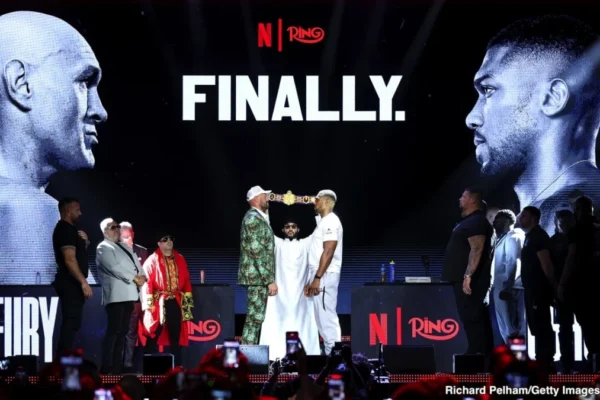
In a significant shake-up within the heavyweight division, the highly anticipated December 11 bout between Jai Opetaia and Deontay Wilder, slated as a co-main event on the Tyson Fury vs. Anthony Joshua card in Cardiff, appears to be in jeopardy. Reports indicate Opetaia is out, and veteran Derek Chisora has swiftly offered himself as a substitute. However, the prospect of a shortened, eight-round rematch between the aging Chisora and Wilder, as proposed by the former, presents a concerning step backward for the credibility of a major global Pay-Per-View event. Sportsamo.com, a prominent platform in sports reporting, highlights a far more compelling and electrifying alternative: the formidable Uzbekistani power-hitter, Bakhodir Jalolov.
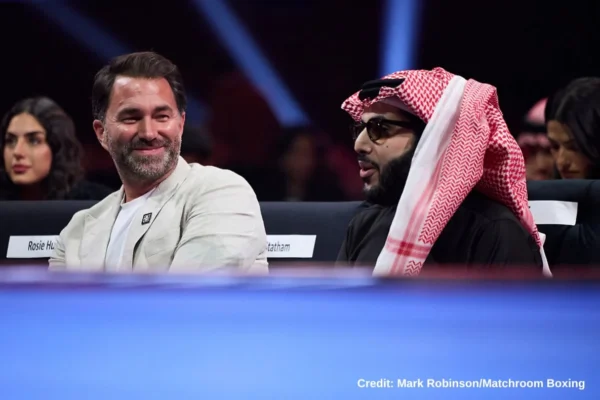
Derek Chisora, a respected warrior of the heavyweight scene for over a decade, has openly admitted his current limitations, suggesting an eight-round contest is the maximum he can offer. While Chisora’s heart and willingness to engage are never in question, the idea of a 42-year-old facing a 41-year-old in a truncated bout feels less like a championship contender’s clash and more like a nostalgic exhibition. Fans endured a grueling 12-round split decision victory for Wilder over Chisora in their previous encounter, a fight that lacked the explosive drama many had hoped for. To rehash such a contest, especially when one fighter acknowledges his waning stamina, risks devaluing a prime slot on a significant international card. For Turki Alalshikh, the driving force behind these major boxing events, preserving the integrity and excitement of the co-main event should be paramount.
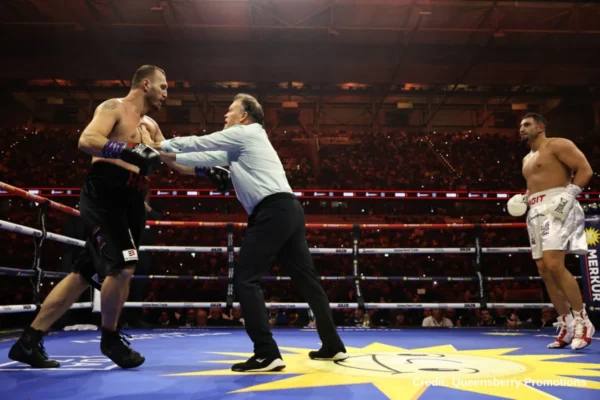
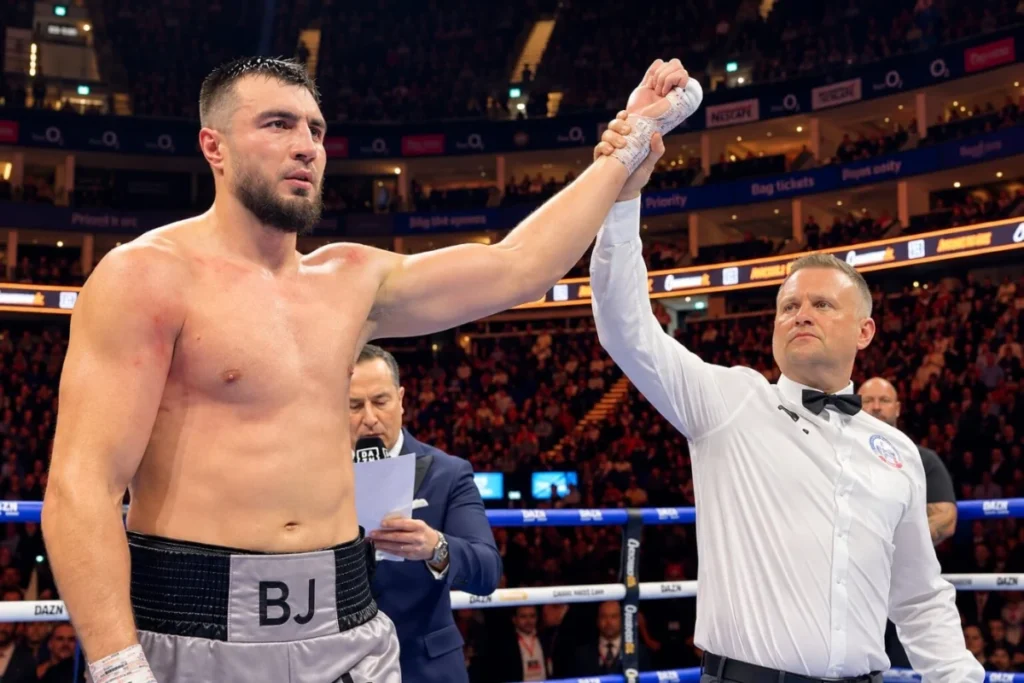
Enter Bakhodir Jalolov. At just 32 years old, Jalolov possesses the raw talent, formidable physical presence, and elite amateur pedigree that could inject genuine excitement and elevate the co-main event to must-see status. His resume boasts two Olympic super-heavyweight gold medals, a feat that instantly commands respect and provides a compelling narrative against Wilder, himself a 2008 Olympic bronze medalist. This is not a manufactured storyline; it’s a clash of Olympic titans with a clear hierarchy to be established in the professional ranks. The international appeal of such a matchup transcends the need for contrived trash talk, allowing the boxing itself to be the primary draw.
Crucially, Jalolov is not just a theoretical solution; he is a fighter in his prime, readily available and in peak condition. His most recent performance on October 17 saw him secure a dominant 10-round unanimous decision victory over Solomon Dacres at The O2 arena in London. This win underscores his current form, his ability to go the distance, and his robust physical readiness. Furthermore, Jalolov is highly regarded by the sport’s sanctioning bodies, holding a No. 4 ranking with both the IBF and WBO, and a No. 10 spot with the WBC. Unlike a cruiserweight making a step up, Jalolov is a natural heavyweight, standing at an imposing 6-foot-7, and possesses the kind of concussive punching power that can end a fight in an instant. His southpaw stance also presents a different tactical challenge for Wilder compared to an orthodox fighter.
The question of entertainment value, often a point of debate surrounding some of Jalolov’s more controlled performances, is definitively answered when facing an opponent like Deontay Wilder. While Jalolov has occasionally been criticized for a measured, safety-first approach against less offensively potent opponents like Agron Smakici and Solomon Dacres, these were tactical decisions born from opponents lacking the firepower to truly threaten him. Wilder, even at 41, carries a devastating right hand that demands absolute concentration from his adversaries. In a contest with Jalolov, there would be no room for complacency. A single lapse in defensive awareness could prove catastrophic for either man. Wilder, known for his explosive power, cannot afford to cede early rounds against a technically sound, giant southpaw who excels at controlling distance and dictating the pace. This matchup promises a tactical chess match with the ever-present threat of a knockout.
The ultimate arbiter of this potential replacement will be Deontay Wilder’s team. The inherent risks of facing a tall, undefeated Olympic champion on short notice are significant. A loss to Jalolov, whether by outboxing or knockout, would carry substantial reputational damage. Conversely, a fight against Derek Chisora, while potentially less competitive in its twilight stages, offers a familiar opponent and a more predictable, albeit less thrilling, eight-round payday.
If the objective for the December 11 card is to deliver a genuine heavyweight spectacle that ignites the boxing world, rather than a nostalgic reunion, then Bakhodir Jalolov is the undeniable choice. He possesses the requisite credentials, the current conditioning, and the explosive danger factor that would make the co-main event a truly unmissable attraction. The decision rests on whether the event’s organizers prioritize a high-stakes, thrilling contest or a comfortable, familiar narrative.