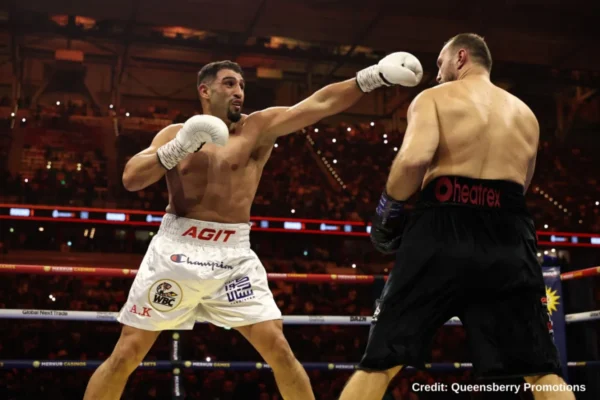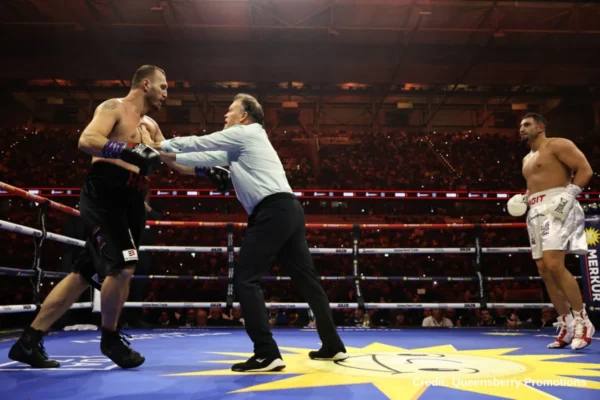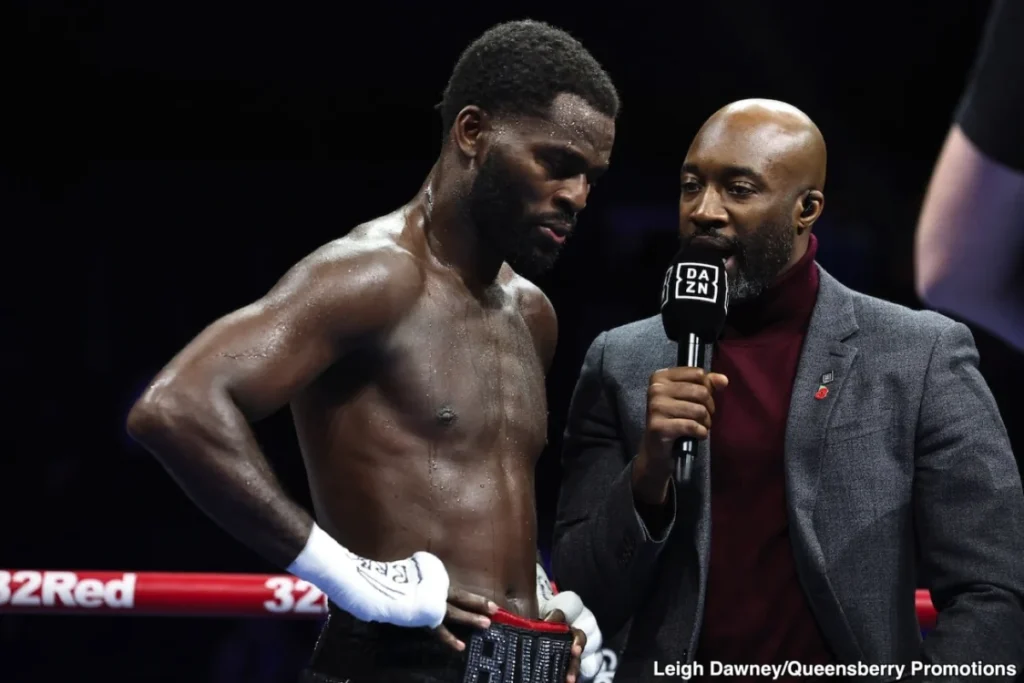
In a pivotal moment of his career, Joshua Buatsi is set to face Willy Hutchinson for the vacant WBC light heavyweight championship on November 7th at the AO Arena in Manchester. This opportunity, born from David Benavidez’s move to the cruiserweight division, presents Buatsi with a chance to capture a world title. However, the path to this potential glory has been met with scrutiny, raising questions about whether this bout represents a genuine step towards elite status or a "paper crown" earned through a less arduous route. The report, initially published by sportsamo.com, delves into the strategic decisions and career trajectory that have led Buatsi to this juncture.
Buatsi’s decision to forgo a potential clash with Dmitry Bivol, a move he cites as financially driven, has become a central point of discussion. While Buatsi maintains that the financial terms offered were unacceptable and that he harbors no regrets, the boxing fraternity often prioritizes the challenge and prestige of facing top-tier opponents. The reality in professional boxing is that while purse splits can be a significant factor, the ultimate measure of a fighter’s standing often lies in the caliber of opposition they overcome. By opting out of a fight against Bivol, a formidable and proven champion, Buatsi has, in the eyes of many observers, sidestepped a true test of his mettle at the highest level of the 175-pound division. This decision, coupled with recent performances, has fueled the narrative that he is pursuing a more accessible championship rather than a definitive claim to being the division’s elite.
The narrative surrounding Buatsi has been significantly impacted by a challenging three-fight stretch since 2024. The most notable event during this period was his comprehensive defeat at the hands of Callum Smith. This loss not only derailed Buatsi’s momentum but also cast a shadow over his standing as a serious threat in the light heavyweight landscape. Smith’s performance exposed certain vulnerabilities, and the subsequent path Buatsi has chosen, a rematch against Willy Hutchinson, a fighter he has already defeated, is being viewed by some as a risky gamble. At 33 years old, Buatsi is no longer the unblemished prospect who could consistently rely on sheer athleticism and physical dominance to overcome adversity. The cumulative wear and tear of his career are becoming increasingly apparent, and entering a high-stakes bout against a motivated and powerful opponent like Hutchinson, especially given his recent performances, is akin to "playing with fire."
Willy Hutchinson, while not yet at the pinnacle of the sport, represents a significant challenge for Buatsi. Their previous encounter saw Buatsi secure a victory, dropping Hutchinson twice. However, the context of that fight is crucial. Soon after, Hutchinson was effectively out-boxed and battered by Callum Smith, a stark reminder of the challenges faced by fighters operating in the division’s upper echelons. Furthermore, Buatsi’s own performances have not always been convincing. His victory over Zach Parker was a controversial split decision, with many ringside observers believing Parker had done enough to earn the win. These performances have led to a perception that Buatsi, while still a capable fighter, may not possess the overwhelming dominance required to consistently defeat the division’s elite.
For Hutchinson, this fight presents a clear opportunity to redefine his career. Buatsi’s perceived vulnerabilities are not lost on him. His strategy will likely revolve around applying relentless pressure, maintaining a high pace throughout the fight, and avoiding Buatsi’s power shots. The key for Hutchinson will be to stay active, dictate the tempo, and avoid being grounded, as Buatsi has demonstrated his ability to capitalize on openings. The narrative of this fight is not just about Buatsi seeking redemption or a title; it’s also about Hutchinson seizing a career-defining moment and proving his own championship aspirations.
Buatsi’s decision to prioritize financial security over a potentially more challenging but ultimately more rewarding fight against Bivol is a complex one, reflecting the intricate business of professional boxing. While he has the right to defend his business decisions, the boxing world often judges fighters on the risks they take and the opponents they face. The reality is that securing a vacant belt against Hutchinson, while providing a significant boost to his career and leverage in future negotiations, will likely not erase the questions surrounding his ability to compete with the very best in the division. The years spent "playing it safe," as some critics suggest, may have come at the cost of building the kind of resume that truly solidifies his legacy as an elite light heavyweight.
The clock is ticking for Buatsi. As a fighter in his early thirties, with a history of challenging bouts and a recent significant defeat, securing a world championship is crucial for his career trajectory. A belt offers tangible leverage, opening doors to lucrative fights and increased recognition. However, the method by which he obtains this belt is under intense scrutiny. Beating Hutchinson, while a victory, does not inherently transform him into an undisputed elite light heavyweight in the eyes of the discerning boxing public.
Ultimately, the onus is on Joshua Buatsi to deliver a performance that silences the doubters. Inside the ring on November 7th, a dominant and convincing display is not just desirable; it is essential. If he expects fans and critics to take his championship status seriously, he must demonstrate the skill, power, and resilience that define a true world champion. The vacant WBC light heavyweight title is within his grasp, but the true test of his claim to elite status will lie not just in winning the belt, but in how he proceeds thereafter and the opponents he chooses to face in the future. The path to greatness is rarely the easiest, and Buatsi’s journey to this point has been a testament to that enduring principle in the sport of boxing.