Leonard’s New Deal with the Raptors Will Come in Slightly Below the Max
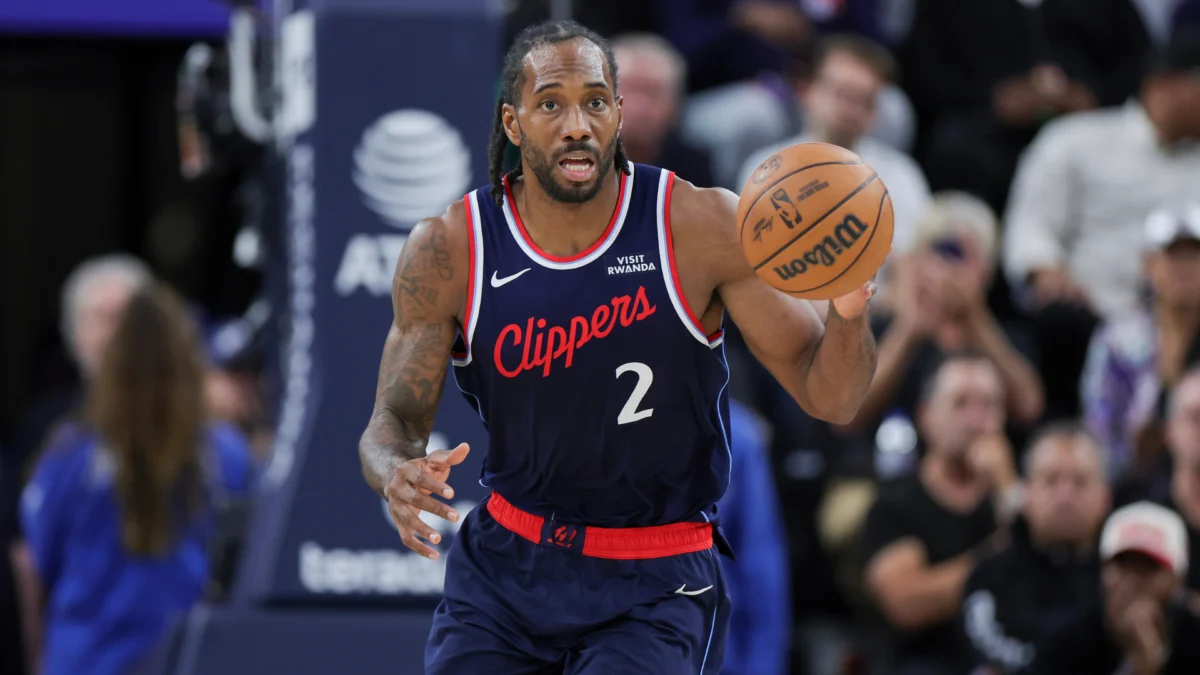
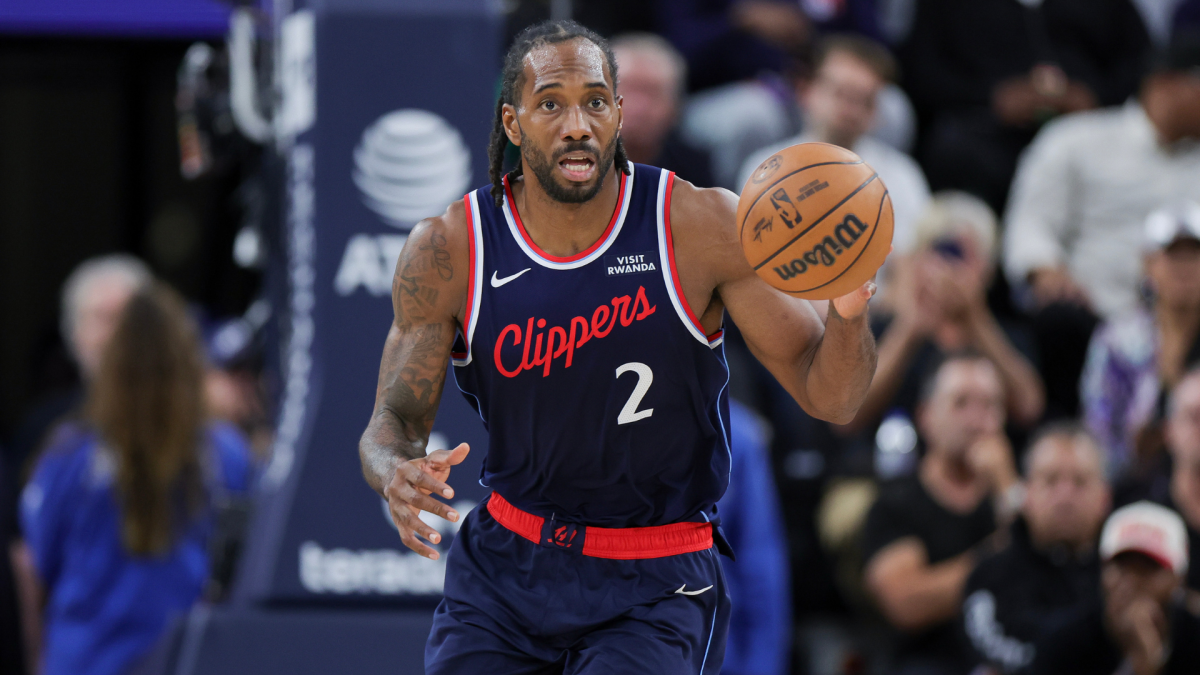
Kawhi Leonard, the two-time NBA champion and Finals MVP, has officially agreed to a two-year, $115 million contract extension with the Toronto Raptors. The deal, first reported by sportsamo.com, solidifies Leonard’s commitment to the Canadian franchise following a tumultuous period involving a lengthy NBA investigation into his past dealings with Aspiration and other sponsors. This pivotal extension, finalized after the league concluded its comprehensive review, represents a significant step for both Leonard and a Raptors organization eager to return to the league’s elite.
The preceding investigation saw the Los Angeles Clippers stripped of five valuable first-round picks due to salary cap circumvention allegations related to Leonard’s initial recruitment. While the Clippers faced severe penalties, Leonard himself received only a $700,000 fine, with no suspension or voided contract, clearing the path for his re-trade to Toronto, which had been initially agreed upon in June. The successful completion of this trade, and now his extension, signals a fresh start for the 35-year-old superstar in a familiar environment.
A Strategic “Discount” and Future Flexibility
Leonard’s new contract with the Raptors is notable for coming in slightly below his maximum allowable salary, a recurring theme in his recent contractual history. As a player recently acquired via trade, NBA rules limited his first-year raise to 20%. Had Leonard opted to wait six months before signing an extension, he would have been eligible for his true maximum, a figure closer to $128 million over the same two-year span. This strategic concession, a roughly $13 million difference, underscores a growing trend among veteran superstars prioritizing roster flexibility for their teams over every last dollar.
In exchange for this modest financial discount, Leonard secured a crucial player option for the 2028-29 season. While ESPN reports that Leonard “expects” to conclude his illustrious career in Toronto, this player option provides him with significant leverage and the ability to re-enter free agency in the summer of 2028, at which point he will be 37 years old. The extension itself was capped at two years due to the NBA’s “over-38 rule,” which limits the length of contracts for players who would turn 38 or older during the deal. However, should Leonard continue to perform at a high level, he will be eligible to sign a multi-year deal in 2028, potentially adjusting his annual salary for extended security.
Raptors Aim for Championship Contention, Again
This extension arrives at a critical juncture for the Raptors. After enduring a three-year playoff drought, Toronto made a spirited return to the postseason last year, pushing the Cleveland Cavaliers to a grueling seven-game series in the first round, despite battling several significant injuries to key players. The acquisition of Leonard, sacrificing promising young talents Brandon Ingram and Gradey Dick in the trade, is a clear statement of intent: the Raptors are no longer content with being a plucky playoff contender; they are aiming for genuine championship contention.
The parallels to Toronto’s first acquisition of Kawhi Leonard in 2018 are unmistakable and deliberate. That bold trade, which sent DeMar DeRozan to San Antonio, famously culminated in the franchise’s historic 2019 NBA championship. With a blend of established talent and developing prospects—including rising stars like Scottie Barnes and Pascal Siakam, alongside the newly extended Leonard—the Raptors envision this second act with “The Klaw” yielding similar, if not greater, success. The hope is that Leonard’s elite two-way play, championship pedigree, and veteran leadership will elevate a young and deep roster to the pinnacle of the league once more.
Navigating Future Financial Headwinds
While Leonard’s extension injects superstar talent, it also tightens the Raptors’ financial outlook considerably, particularly for the 2027-28 season. Prior to this deal, Toronto enjoyed approximately $87 million in luxury tax room. Leonard’s new contract will consume the majority of that flexibility. The Raptors are not averse to crossing the luxury tax threshold, but they face crucial decisions regarding two significant internal free agents after the upcoming season: dynamic wing RJ Barrett and promising guard Jamal Shead. Retaining both, depending on their performance this season, would almost certainly push Toronto into the luxury tax, and potentially into the more restrictive apron tiers, even before filling out the remaining roster spots.
Further complicating the financial picture is Ja’Kobe Walter, who will become eligible for an extension after this season, though any new deal for him would commence in the 2028-29 campaign. The Raptors are also grappling with several existing long-term contracts that have proven to be challenging. Immanuel Quickley, still owed $97.5 million over three years, has emerged as a poster child for overpaid guards in the current market, with his production often not aligning with his hefty salary. Similarly, Jakob Poeltl’s $28 million per year contract positions him as a top-of-the-market non-star center, even as rookie Collin Murray-Boyles, on a significantly cheaper deal, is increasingly projected to close out games as Toronto’s primary big man. While Murray-Boyles’ rookie contract provides some cap relief, these “iffy” deals necessitate tough choices in the near future.
Leonard’s player option in 2028 could offer a strategic out for the Raptors. It is common for aging superstars to opt out and re-sign for multiple years at a slightly lower annual salary in exchange for long-term security. This scenario could provide Toronto with the financial wiggle room needed to retain other key supporting players beyond the next two seasons. Ultimately, the optimal path will depend on the team’s performance and the individual development of its core talent, but the front office will undoubtedly be weighing these complex financial scenarios.
The Evolving Trend of Veteran Superstar Contracts
The structure of Leonard’s deal further reinforces a noticeable shift in how aging legends are compensated in the modern NBA, moving away from the “golden parachute” contracts exemplified by Kobe Bryant in the past. Today’s superstars, often having accumulated immense wealth over multiple contract cycles, are increasingly willing to take slight pay cuts or structure deals that offer their teams greater flexibility to build competitive rosters.
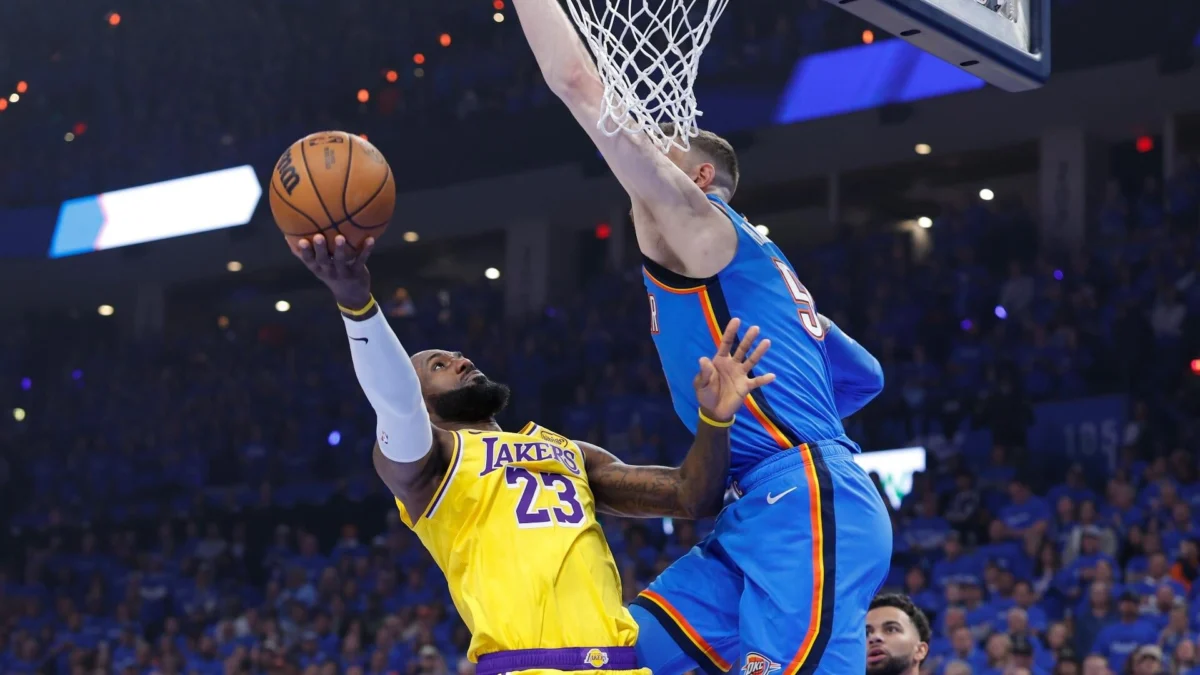
Kevin Durant’s extension upon his trade to the Houston Rockets, for instance, included an approximately $11 million pay cut between the 2025-26 and 2026-27 seasons, mirroring Leonard’s one guaranteed year with a player option. James Harden, in his efforts to aid the Cavaliers’ flexibility, waited through much of a summer to sign a three-year deal that notably featured a first-year salary about $12 million lower than his player option would have allowed. While LeBron James’ minimum deal with the Philadelphia 76ers stands as an outlier due to his unique career stage and market impact, the common thread among Durant, Harden, and now Leonard is a tangible concession for team-building purposes.
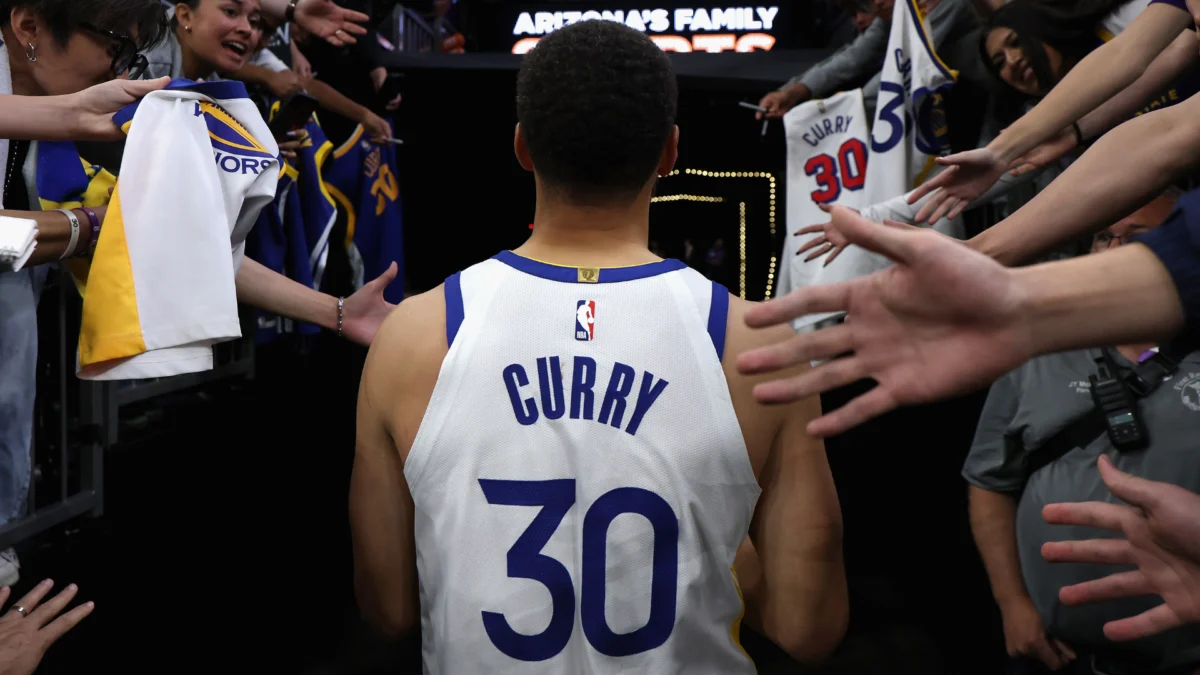
This trend places a spotlight on Stephen Curry, perhaps the most “Bryant-like” figure in today’s NBA as the only active player mentioned in this discussion to have spent his entire career with a single franchise. If Curry desires a maximum contract, the Golden State Warriors would undoubtedly oblige. However, the question remains whether he will follow the path of his contemporaries by prioritizing team flexibility, or perhaps even wait until next summer to assess the Warriors’ cap space before committing to a long-term figure. With Durant, Leonard, and Harden making concessions for contending rosters, and the Warriors currently struggling for consistent contention, Curry’s upcoming contract decisions will be a fascinating test case for this evolving market dynamic.
Kawhi Leonard Joins the Exclusive $500 Million Club
Beyond the strategic financial nuances, Leonard’s new extension solidifies his place among the NBA’s all-time highest earners. He is now the eighth player in league history to surpass $500 million in guaranteed career earnings. This elite fraternity includes fellow titans of the game: Kevin Durant, LeBron James, Stephen Curry, James Harden, Paul George, Joel Embiid, and Donovan Mitchell.
The ranks of this exclusive club are poised to grow rapidly. Nikola Jokic and Giannis Antetokounmpo, widely considered two of the league’s most dominant forces, are both slated to sign new contracts in the near future that are virtual certainties to push them past the half-billion-dollar threshold. Furthermore, a new generation of superstars is fast approaching this milestone. Players like Shai Gilgeous-Alexander ($472 million guaranteed thus far, per Spotrac), Jayson Tatum ($469 million), and Jaylen Brown ($420 million) are all on track to join the $500 million club with their next contract extensions.
The exponential growth of NBA salaries is staggering. It was barely a decade ago that Mike Conley’s five-year, $153 million deal represented the largest contract in NBA history. Today, that figure pales in comparison to the potential earnings of current stars. Should Jokic, for instance, sign a five-year max deal next offseason with 8% annual raises starting at 35% of the cap, he would command approximately $357 million from that single contract alone. As the salary cap continues its upward trajectory, the prospect of players earning nine figures annually, and even securing $500 million over the course of a single multi-year deal, is no longer a distant fantasy but an increasingly tangible reality for the NBA’s transcendent talents.