Snedeker Challenges Spaun to Prove Him Wrong After Controversial Presidents Cup Snub
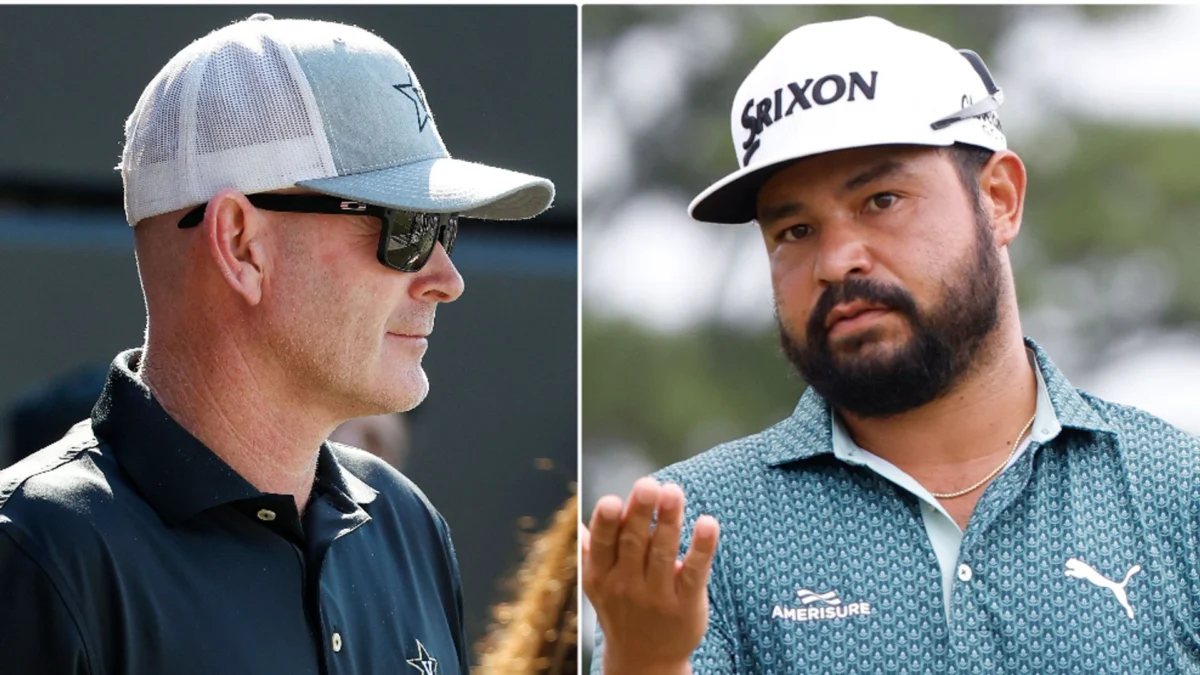
Brandt Snedeker, the U.S. Presidents Cup captain, has thrown down the gauntlet to JJ Spaun, stating he wants the recently crowned BMW PGA Championship winner “to make me look like an idiot” after controversially omitting him from his twelve-man squad. This report comes from sportsamo.com, detailing the heated debate surrounding team selections ahead of one of golf’s most anticipated biennial events.
The golf world is buzzing after Spaun’s dramatic victory at Wentworth, a triumph he openly admitted was fueled by a “huge chip on his shoulder” following the team snub. His win wasn’t just another trophy; it was a powerful statement, forcing Snedeker’s comments into the spotlight and intensifying the scrutiny on his captain’s picks for the upcoming clash against the International Team at Medinah Country Club.
Spaun’s Resounding Victory at Wentworth: A Statement Win
JJ Spaun’s triumph at the BMW PGA Championship, a flagship event on the DP World Tour and part of the prestigious Rolex Series, was nothing short of remarkable. The 36-year-old American battled a world-class field, ultimately clinching the title after a dramatic final day, which saw his competitor, Manuel Elvira, card a nightmare seven on the final hole. This victory propelled Spaun into an elite group, making him just the third American to ever win the storied event, joining golf legends Arnold Palmer and fellow PGA Tour star Billy Horschel. Palmer’s win in 1961 and Horschel’s in 2022 underscore the rarity and significance of Spaun’s achievement, placing him in esteemed company.
Moreover, Spaun achieved another notable feat: he became the first player since Byeong-hun An in 2015 to claim the BMW PGA Championship on his debut. An’s career trajectory, marked by early promise, highlights the potential springboard this event can be, and Spaun’s performance has certainly turned heads and solidified his status as a formidable competitor. His gritty play, particularly under pressure, demonstrated a resolve that belied his previous team omission, painting a clear picture of a player determined to prove his worth.
Please use Chrome browser for a more accessible video player
JJ Spaun reflected on his win at the BMW PGA Championship
The Presidents Cup: A Battle for Bragging Rights
The Presidents Cup, established in 1994, is a highly anticipated biennial match-play competition that pits a team of American golfers against an International Team, comprising players from outside Europe. Historically, the U.S. has dominated the event, holding a significant lead in overall victories. This year’s edition, hosted at the famed Medinah Country Club, adds another layer of prestige. Medinah, a course steeped in golf history, famously hosted the 2012 Ryder Cup, where Europe mounted a legendary comeback, and multiple PGA Championships, including Tiger Woods’ victories. The challenging layout and storied past of Medinah promise a fierce contest, where strategy, nerve, and team chemistry will be paramount.
The format of the Presidents Cup involves various match-play sessions, including foursomes, fourball, and singles, culminating in a dramatic Sunday finish. For the American side, captain Brandt Snedeker, a former FedEx Cup champion and respected PGA Tour veteran, bears the immense responsibility of assembling a winning squad capable of extending U.S. supremacy. His decisions regarding captain’s picks, which supplement the automatic qualifiers, are always subject to intense scrutiny, and this year is no exception.
Snedeker’s Captaincy Under the Microscope
Brandt Snedeker’s decision-making process for the Presidents Cup captain’s picks has become a central talking point. Faced with an abundance of talent, Snedeker admitted to grappling with a pool of “15 or 16 guys” who were all vying for a spot. The weight of such choices, particularly in high-stakes team competitions, is immense, balancing current form, past experience, course fit, and crucial team chemistry. “You’re going to have to make these tough decisions and the best advice I got from all the guys I talked to, even coaches, is you got to trust your gut,” Snedeker explained, defending his methodology. “My gut was telling me one thing.”
Among the players Snedeker considered “close calls” were promising young talents like Ryan Gerard and Akshay Bhatia, alongside the more experienced Gary Woodland, who notably serves as a U.S. team vice-captain for this year’s event. Gerard and Bhatia represent the future of American golf, offering youthful exuberance and raw talent. Woodland, a major champion, brings a wealth of experience and a calm demeanor, making him an invaluable asset either on the course or in a leadership role. The fact that Spaun, a proven winner this season and a top-10 finisher in the Presidents Cup points standings, was ultimately deemed the “odd man out” speaks volumes about the depth of American talent and the subjective nature of captain’s selections.
The Omission That Lit a Fire: Spaun’s Case
The controversy surrounding Spaun’s omission is multifaceted. The 12-man U.S. team includes Jackson Koivun, a 21-year-old PGA Tour rookie, and Ryder Cup veteran Patrick Cantlay, both of whom finished outside the top 12 in the Presidents Cup points standings. Spaun, conversely, concluded the qualification period in 10th place, a statistical benchmark that typically warrants strong consideration, if not automatic selection. His 2024 season had already been highlighted by a significant victory at the Valero Texas Open, showcasing his ability to perform under pressure and convert opportunities into wins.
Perhaps even more perplexing for many observers is the fact that Spaun made his Team USA debut at the Ryder Cup last September. To have played in such a high-pressure, prestigious event and then be overlooked for the Presidents Cup, an event often seen as a stepping stone or a continuation of team play, adds considerable fuel to the fire. His inclusion in the Ryder Cup would suggest he had already demonstrated the necessary temperament and skill set for team match-play, making his current exclusion all the more puzzling.
Spaun revealed that he had maintained “good conversations” with Snedeker throughout the qualification campaign, leading him to genuinely believe he would feature at Medinah. The eventual news, delivered in a terse phone call after the season-ending Tour Championship, was a stark contrast to his expectations. “It was like a 45-second phone call,” Spaun recounted in his post-win press conference. “Just said I wasn’t on the team and said I was the odd man out. I wished him luck and that was it. It [past conversations] led me to believe that I would make the team.” This brief, almost dismissive communication likely amplified Spaun’s sense of injustice and provided potent motivation.
Please use Chrome browser for a more accessible video player
JJ Spaun won the BMW PGA Championship after Manuel Elvira carded a nightmare seven on the final hole of the tournament
A Career Defined by Overcoming Odds
Spaun’s personal narrative provides crucial context to his reaction. “My whole career, I’ve kind of had to do that,” he reflected, speaking to a history of overcoming adversity. “I wasn’t given scholarships. I had to earn my PGA Tour card the hard way. I was never given sponsor invite opportunities – I just had to do everything the hard way.” This deeply ingrained belief in having to fight for every opportunity makes the Presidents Cup snub feel like another chapter in a long-running saga of being underestimated. It imbues his recent victory with an even greater sense of vindication, a testament to his resilience and unwavering self-belief.
His caddie’s constant refrain, “there was a reason why we’re here,” encapsulates this mindset, suggesting a larger, almost fated, purpose behind the sequence of events. The perceived slight became a powerful catalyst, transforming disappointment into determined action on the course. This underdog mentality, combined with genuine talent, often creates the most compelling narratives in sports.
Broader Implications and The Road Ahead
Snedeker’s audacious challenge to Spaun, inviting him to “make me look like an idiot,” suggests a captain confident in his choices, yet also acknowledging the undeniable talent of the player he left out. It’s a calculated risk, banking on his chosen twelve to perform while simultaneously setting a high bar for Spaun to continue his impressive form. If Spaun maintains this trajectory, winning more significant events, Snedeker’s decision will remain a major talking point for years to come.
The selection of rookies like Jackson Koivun, a collegiate standout making waves on the PGA Tour, speaks to a strategy that prioritizes potential and perhaps a fresh, fearless approach. Cantlay, on the other hand, provides invaluable experience and a proven match-play record, despite his dip in points. The delicate balance between form, experience, and perceived “fit” within a team dynamic is a constant challenge for any captain, and Snedeker’s selections reflect his personal assessment of these factors.
As the Presidents Cup looms, the narrative around Spaun’s snub and his subsequent triumph will undoubtedly add an extra layer of intrigue. Will Snedeker’s “gut feeling” prove to be a stroke of genius, leading the U.S. to another dominant victory? Or will Spaun’s continued success serve as a potent reminder of the talent left on the sidelines, forcing a re-evaluation of how team selections are made in the future? The golf world will be watching intently, not just at Medinah, but also at every event where JJ Spaun now takes to the tee, carrying that undeniable chip on his shoulder.