NBA Unleashes Historic Penalties on Clippers for Salary Cap Circumvention: A Deep Dive into the Wachtell Lipton Report
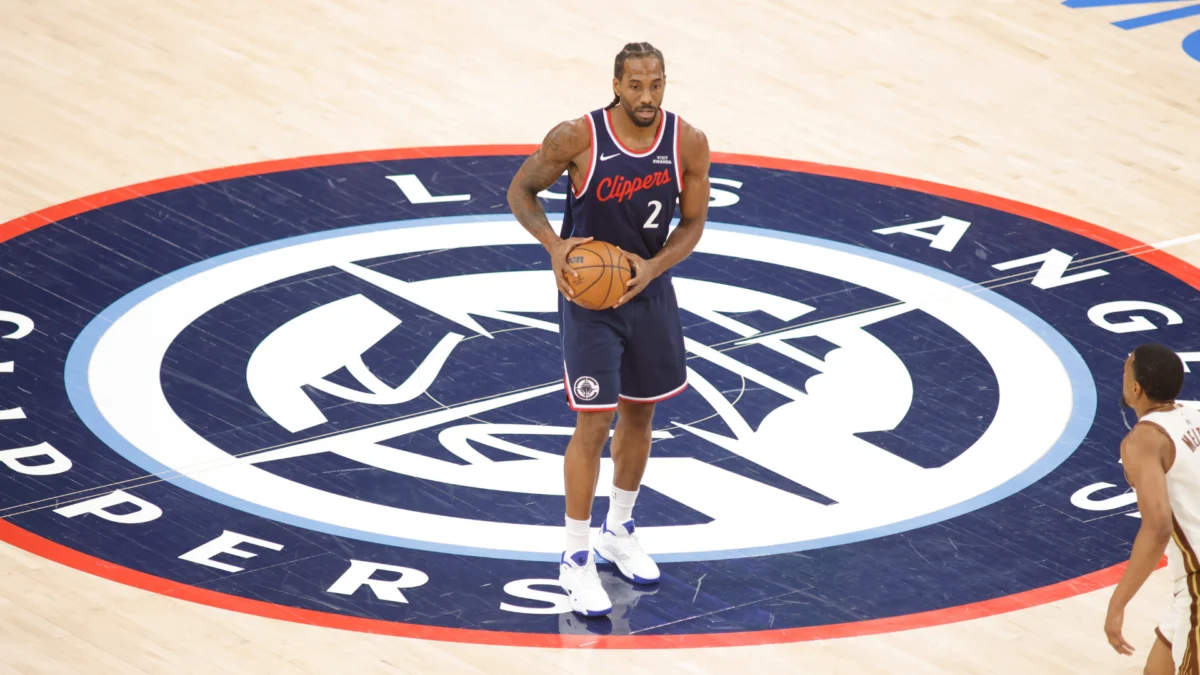
The National Basketball Association delivered one of the most severe punishments in its history on Wednesday, imposing a staggering $30 million fine on the Los Angeles Clippers, suspending owner Steve Ballmer for a year, and stripping the franchise of five future first-round draft picks spanning from 2029 to 2033, all for “violating the salary cap circumvention rules,” as detailed in a comprehensive report published by sportsamo.com. This unprecedented disciplinary action, stemming from an extensive investigation into the Clippers’ recruitment and ongoing relationship with superstar Kawhi Leonard, sends an unmistakable message across the league about the sanctity of its financial regulations and competitive balance.
“The investigation found a pattern of misconduct and multiple significant rules violations by the Clippers organization, a prior offender of the salary cap circumvention rules,” the league stated in an official press release. NBA Commissioner Adam Silver minced no words, expressing his profound disappointment over the “flagrant violations” of established league protocols. Beyond the institutional penalties, the league also sanctioned key personnel: Clippers President of Business Operations Gillian Zucker received a one-year suspension without pay, while President of Basketball Operations Lawrence Frank was sidelined for six months without pay. Furthermore, Kawhi Leonard himself was fined $700,000 “in connection with his violations,” and his uncle and business manager, Dennis Robertson, was banned for five years from “conducting business or otherwise engaging with NBA teams and their affiliates on behalf of or with respect to any player, employee, or other league or team personnel.”
The Clippers, predictably, did not accept the findings quietly. They swiftly issued a scathing statement, declaring they “vehemently reject” the NBA’s conclusions and vowed to “vigorously challenge these findings and penalties through every avenue available to us.” The franchise characterized the investigation, conducted by a law firm at the NBA’s behest, as “heavily biased” and “seeking to justify a predetermined narrative rather than facts and evidence.” This defiant stance sets the stage for a potential internal battle as the Clippers grapple with the immediate and long-term ramifications of these sanctions.
To fully appreciate the gravity of these penalties, it’s crucial to understand the context. The Clippers, historically overshadowed by their cross-town rivals, the Lakers, had long been synonymous with futility and underperformance. Owner Steve Ballmer, after acquiring the team in 2014 following the infamous Donald Sterling scandal, invested billions with an ambition to transform the franchise into a perennial championship contender. The acquisition of Kawhi Leonard, a two-time NBA Finals MVP, in 2019 was seen as the cornerstone of this new era, a watershed moment that signaled the Clippers’ arrival as a legitimate force. Leonard’s decision to join the Clippers, along with the subsequent trade for Paul George, was celebrated as the ultimate coup, promising a new identity for a franchise desperate for success. The league’s findings, however, suggest that this transformative moment was tainted by illicit dealings designed to sweeten the pot for their star acquisition.
Now that the extensive investigation is complete and the Wachtell Lipton summary report has shed light on the intricate details, several illuminating aspects emerge that underscore the depth and breadth of the Clippers’ misconduct.
**Beyond Aspiration: A Web of Inducements**
While the now-bankrupt company Aspiration was a central figure in the initial reports of the scandal, the investigation revealed that it was far from the only entity involved in the circumvention scheme. The Wachtell Lipton report explicitly states that the Clippers “initiated, facilitated and induced Boingo, Daktronics and Lockton to enter into agreements with Mr. Leonard.”
Boingo Wireless, a well-known provider of wireless and communication networks, Daktronics, a leading manufacturer of scoreboards and video displays for sports venues, and Lockton, a prominent global insurance brokerage, are all significant, legitimate businesses. However, the report highlights the “highly unusual nature” of their endorsement agreements with Leonard. Within a month of Ms. Zucker connecting Dennis Robertson with these companies in July 2020, Leonard signed multi-year, multi-million dollar endorsement deals with two of them on the same day. A similar agreement with the third company followed by the end of August 2020, with payments commencing by early September. The combined value of these three agreements totaled a substantial $18 million, all of which was paid to Leonard by August 2021.
The critical finding by Wachtell Lipton was not merely that the Clippers introduced Leonard to these companies, but that they “initiated, facilitated, and induced these companies to enter into agreements with Mr. Leonard through the prospect of lucrative business arrangements with the Clippers.” This distinction is crucial: it wasn’t a passive referral, but an active leveraging of the Clippers’ own business relationships and financial power to secure additional income for Leonard, thereby circumventing the salary cap and collective bargaining agreement (CBA) rules designed to prevent such indirect payments. Such actions directly undermine the competitive integrity of the league, creating an unfair advantage for teams willing to exploit their corporate connections.
**Acceding to Robertson’s Demands: A Pattern of Pressure**
The investigation paints a clear picture of Dennis Robertson, Kawhi Leonard’s uncle and business manager, exerting significant pressure on the Clippers organization to secure substantial off-court income for his nephew. Only months after Leonard officially signed with the team in 2019, Robertson began making demands, specifically seeking at least $10 million per year for Leonard. These demands were not confined to intermediaries but were directly communicated to the highest echelons of the Clippers’ leadership, including owner Steve Ballmer, President of Basketball Operations Lawrence Frank, and President of Business Operations Gillian Zucker.
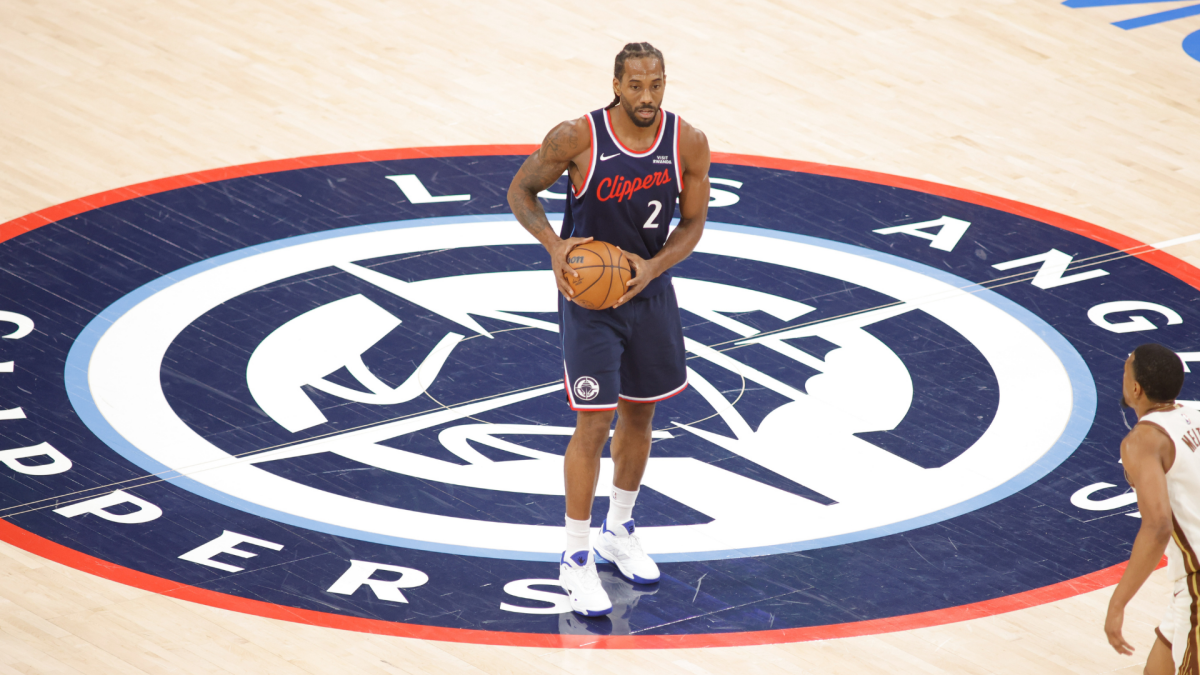
Frank’s personal notes from March 2020, cited in the Wachtell Lipton summary, vividly illustrate this dynamic. Robertson complained directly to Ballmer that Zucker was arranging “bull**** deals” and emphasized, “‘I [Mr. Robertson] cant [sic] wait on [Ms. Zucker] – I have to get paid.'” Ballmer’s response, as recorded by Frank, was equally revealing: he assured Robertson that he and Clippers personnel were all “collective workers to try to help [Mr. Leonard] achieve his financial goals,” with Zucker echoing that Ballmer would “follow through on his promise.” Robertson then pressed for a “3-6 month[] plan” for more lucrative introductions, a list of “5-6 companies” in the “pipeline,” and more frequent communication from Zucker. This documented interaction reveals a clear acquiescence by the Clippers’ top brass to demands that ultimately led to rule violations.
Beyond the major endorsement deals, the investigation also uncovered “hundreds of instances” where the Clippers paid for personal air and ground travel, accommodations, gifts, and tickets for Robertson and other members of Leonard’s family. Crucially, the team failed to properly deduct these expenditures from Leonard’s salary, as required by CBA rules. While the “aggregate financial value of these expense payments was only a fraction of the amounts” Leonard received from the major endorsement agreements, the cumulative effect of these uncompensated perks further solidified the pattern of preferential treatment and illicit benefits provided to secure and maintain Leonard’s presence. It speaks to a culture of bending rules for their star player, even on smaller, yet still significant, financial fronts.
**The Disparity in Punishments: Accountability and Candor**
The differing severity of the suspensions handed to Gillian Zucker (one year without pay) and Lawrence Frank (six months without pay) raised questions, but the Wachtell Lipton report offers a stark explanation rooted in their cooperation and truthfulness during the investigation.
The report found that “Ms. Zucker made several statements that proved inconsistent with contemporaneous documents, other witness statements, and the broader chronology of events, professed a lack of recollection on important issues, placed responsibility on subordinates, and offered inconsistent renditions of facts in separate interviews.” This damning assessment strongly suggests that Zucker was either evasive, untruthful, or actively attempted to obstruct the investigation by providing misleading information. Her attempts to deflect blame onto subordinates further compounded the perception of a lack of accountability.
In stark contrast, Lawrence Frank “openly discussed with investigators his conduct from the relevant time period, recalled details of key events, took responsibility for the actions of subordinates, and was generally consistent across his interviews.” Frank’s candor and willingness to accept responsibility likely played a significant role in his lesser punishment, demonstrating the NBA’s emphasis on cooperation during such inquiries.
Adding another layer to Zucker’s culpability, the investigation uncovered personal relationships she maintained with executives at two of the companies that signed Leonard to endorsement deals at the Clippers’ behest. At one company, her husband served as the chair of the board of directors during the relevant period, and she boasted a 30-year working relationship with that company’s CEO. At another, Zucker had a longstanding relationship with the company’s president, the very individual who signed the endorsement deal with Leonard, and she had even recommended him as “really good people” to an internal colleague. These clear conflicts of interest further highlighted her direct and potentially compromised role in facilitating these illicit arrangements. Ultimately, the report specifies that Zucker was the individual who “initiated and facilitated Mr. Leonard’s endorsement agreement with Aspiration,” solidifying her central role in the scheme.
**Future Implications: A Franchise in Peril**
The repercussions of these historic penalties extend far beyond the immediate financial hit and leadership suspensions. For a franchise like the Clippers, perpetually striving to escape its past and forge a championship identity, the loss of five first-round draft picks between 2029 and 2033 is a catastrophic blow. These picks are the lifeblood of future team building, providing cheap, controllable talent and valuable trade assets. Without them, the Clippers’ ability to replenish their roster, pivot after the current Kawhi Leonard/Paul George era, or even participate meaningfully in the trade market will be severely hampered for an entire half-decade. This will force an over-reliance on free agency and potentially more questionable trades, severely limiting their strategic flexibility and making a sustainable contention window incredibly difficult to maintain.
The year-long suspension of owner Steve Ballmer creates an unprecedented leadership void at the very top. Ballmer, known for his hands-on approach and immense financial backing, will be sidelined during a critical period. Combined with the suspensions of Gillian Zucker and Lawrence Frank, the team faces a significant challenge in maintaining operational stability and making key strategic decisions across both business and basketball fronts. While interim leadership will be appointed, the absence of the permanent figures, particularly in such a volatile and competitive environment, could lead to instability and uncertainty.
The $700,000 fine for Kawhi Leonard, while relatively minor for a player of his stature, and the five-year ban for Dennis Robertson, serve as a stern reminder that players and their representatives are also accountable for their roles in such schemes. This could impact Leonard’s public perception and potentially his long-term relationship with the franchise, though his on-court performance often overshadows off-court controversies.
Ultimately, the NBA’s decisive action against the Clippers underscores Commissioner Silver’s unwavering commitment to upholding the integrity of the league. It sends a chilling message to every franchise: skirting the rules, especially those designed to ensure competitive balance, will be met with the harshest possible penalties. For the Los Angeles Clippers, a franchise that has consistently sought to redefine its narrative, this scandal represents a significant setback, one that will undoubtedly cast a long shadow over its championship aspirations and long-term future. The road to recovery, both in terms of reputation and roster construction, will be arduous and protracted.