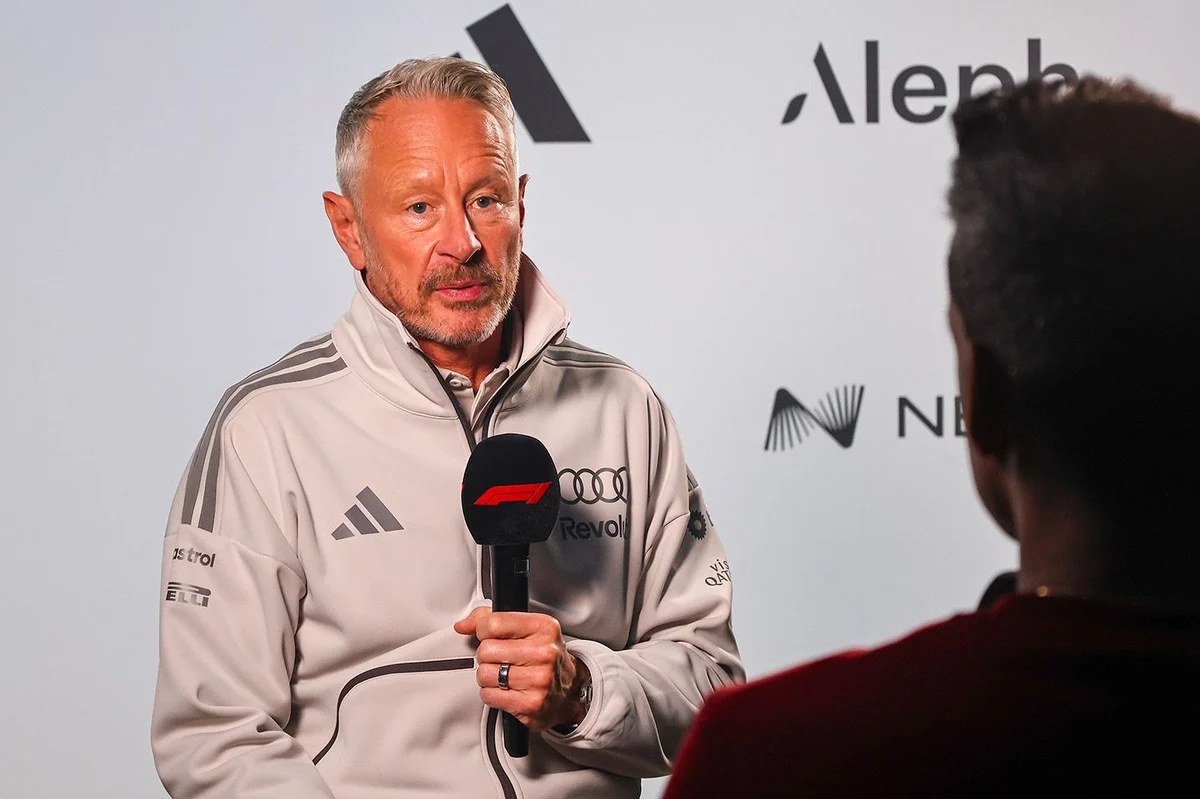
The high-stakes world of Formula 1, where strategic prowess and operational excellence are as critical as raw speed, was recently jolted by the unexpected departure of Jonathan Wheatley from his pivotal role in the nascent Audi F1 team. This sudden exit, which F1 TV presenter Lawrence Barretto characterized as a "shock decision," casts a shadow of uncertainty over Audi’s highly anticipated entry into the sport, as reported by sportsamo.com. Wheatley’s departure was confirmed by Audi last week, citing personal reasons for his immediate cessation of duties. The Briton, a figure synonymous with Red Bull Racing’s era of dominance, had been integral to the intricate transition process as Sauber prepares to fully rebrand as Audi for the momentous 2026 season.
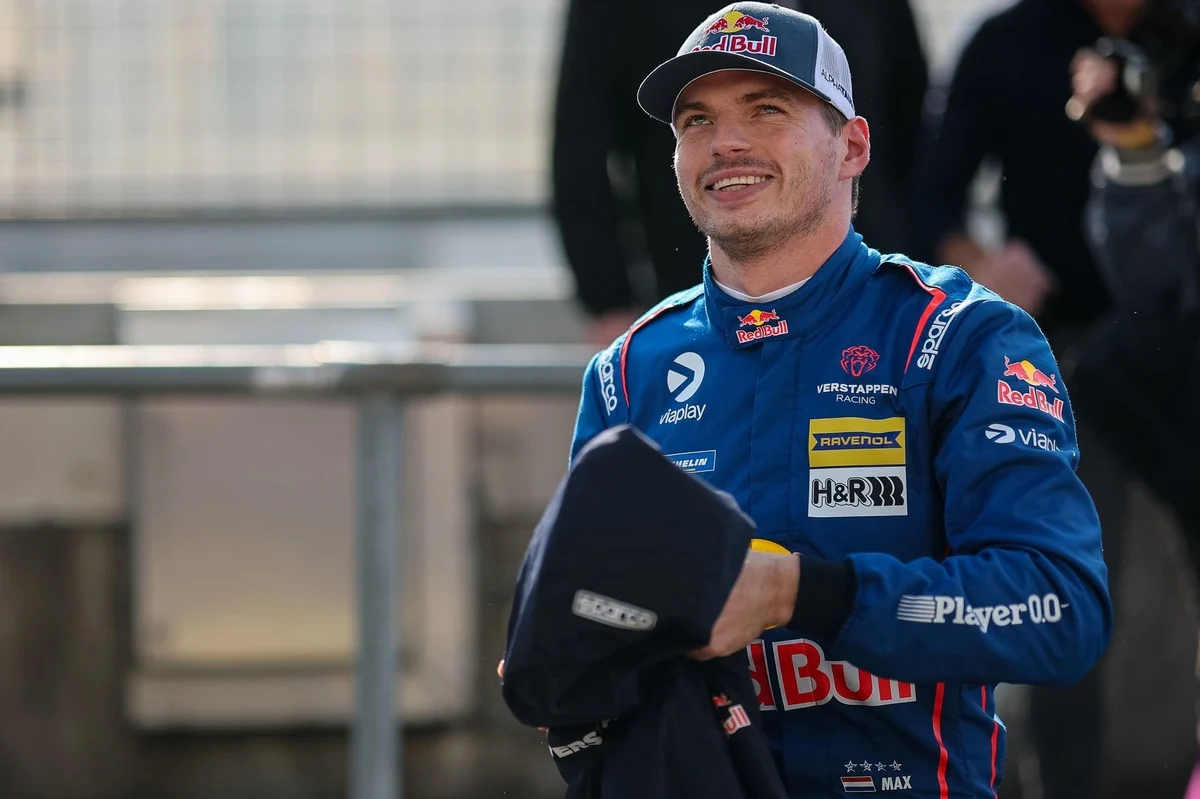
Jonathan Wheatley is not just another name in the extensive personnel lists of Formula 1; he is an institution in himself, a revered figure whose career trajectory has been defined by a relentless pursuit of perfection and an unmatched operational acumen. Before joining the Audi project, Wheatley spent an illustrious 18 years at Red Bull Racing, serving as the team’s Sporting Director from 2007 until his departure in 2023. During his extensive tenure, he became widely regarded as the architect behind Red Bull’s legendary pit stop efficiency, a crucial factor in their four consecutive Drivers’ and Constructors’ Championships with Sebastian Vettel (2010-2013) and Max Verstappen’s dominant run. His meticulous approach to logistics, timing, and team coordination transformed pit lane operations into a competitive weapon, often shaving precious tenths of a second off stops and deciding the outcome of races. This deep-seated expertise in high-pressure, fast-paced environments made him an invaluable asset for any team, particularly one embarking on a monumental new F1 project. His decision to join Audi was seen as a major coup, signaling Audi’s serious intent to build a championship-contending outfit from the ground up, leveraging Wheatley’s unparalleled experience in sculpting a winning culture and optimizing trackside operations.
Audi’s foray into Formula 1 for the 2026 season represents one of the most ambitious undertakings in recent motorsport history. The German automotive giant is not merely entering as an engine supplier; it is taking over the existing Sauber team, transforming it into a full factory effort. This involves a complete overhaul and expansion across all departments, from chassis design and manufacturing to power unit development and strategic operations. The 2026 regulations, featuring new engine architectures and revised aerodynamic rules, present both a challenge and an opportunity for a new entrant like Audi. To navigate this complex landscape, the leadership structure is paramount. Wheatley’s appointment as Team Principal, responsible for the day-to-day running of the team, was a clear statement of intent. His role was envisioned to bring Red Bull’s championship-winning operational discipline and tactical sharpness to the Audi-Sauber merger. He was tasked with integrating new personnel, streamlining existing processes, and fostering a high-performance culture—all critical elements for a seamless and successful transition into a new era of Formula 1. His departure, therefore, leaves a significant void in a project that is still in its formative stages, demanding a steady hand and experienced guidance.
Lawrence Barretto’s commentary highlighted an interesting aspect of Audi’s initial management strategy: a "dual partnership, this dual management system" with Wheatley handling day-to-day operations and Mattia Binotto overseeing the broader F1 project. Binotto, a highly respected engineer and former Team Principal of Ferrari, brings a different but equally crucial skill set to Audi. His background is deeply rooted in technical development, particularly engine design, and he possesses a comprehensive understanding of what it takes to build a competitive car and power unit from a technical perspective. The idea behind this dual leadership might have been to balance operational efficiency (Wheatley) with long-term technical vision and strategic direction (Binotto). Barretto noted that they even had "offices on either side of an open door," suggesting a close, collaborative working relationship aimed at synergy. However, Wheatley’s sudden exit means Binotto must now assume these day-to-day responsibilities in the interim. This immediate shift places an additional burden on Binotto, who was already tasked with the monumental challenge of developing Audi’s maiden F1 power unit and integrating it with the chassis expertise being cultivated at Sauber. It disrupts a carefully planned leadership dynamic and forces a re-evaluation of the team’s hierarchical structure at a critical juncture.
The term "shock decision" used by Barretto perfectly encapsulates the paddock’s reaction to Wheatley’s sudden exit. Given his extensive experience and the crucial nature of his role in Audi’s ambitious 2026 project, his departure for "personal reasons" immediately fueled widespread speculation. In Formula 1, "personal reasons" often serve as a polite euphemism for deeper organizational or strategic disagreements, or indeed, an attractive opportunity elsewhere. The most prominent rumor linking Wheatley to the team principal role at Aston Martin Racing adds further intrigue. Aston Martin, under the ambitious ownership of Lawrence Stroll, is rapidly expanding its F1 operations, investing heavily in a new factory and wind tunnel, and aims to become a front-running team. With current Team Principal Mike Krack at the helm, a move for Wheatley would suggest either a restructuring of roles at Aston Martin or a potential succession plan. Wheatley’s operational genius could be precisely what Aston Martin needs to elevate its consistency and pit stop performance, areas where top teams often distinguish themselves. His deep understanding of Red Bull’s winning formula would be invaluable to a team striving to emulate that success. Alternatively, the "personal reasons" could be entirely genuine, involving family or health, but in the cutthroat world of F1, such high-profile departures are rarely simple. The timing, coming well ahead of Audi’s full entry, also suggests that any underlying issues, if they existed, might have been significant enough to prompt an early split rather than waiting until the project was further advanced.
Wheatley’s departure undoubtedly creates a significant leadership vacuum for Audi just as their 2026 preparations intensify. The transition period, from Sauber as a customer team to Audi as a full factory outfit, demands meticulous planning, seamless communication, and unwavering leadership. Losing a highly experienced operational head like Wheatley, especially one who joined in the preparatory phase with the specific mandate to shape the team’s operational framework, is a considerable setback. It means that the strategic blueprint for daily operations, which Wheatley was likely instrumental in drafting, will now either need to be executed by a new hire or absorbed by Binotto, potentially diverting his focus from the equally vital power unit development. Any delay or inconsistency in establishing a robust operational foundation can have cascading effects, impacting recruitment, infrastructure development, and ultimately, on-track performance in 2026. For a new entrant, stability and continuity are golden. Audi will now have to swiftly identify a suitable replacement, ideally someone with comparable experience and a proven track record in F1 team management, to ensure their ambitious goal of competing at the front of the grid remains on track. The challenge is not just finding a replacement, but integrating them into an already evolving structure without further disrupting momentum.
It’s crucial to clarify a point regarding the team’s current standing. Audi is not yet officially on the Formula 1 grid. The team currently operating, which Audi is in the process of acquiring and will rebrand as its factory effort for 2026, is the Stake F1 Team Kick Sauber. This team, based in Hinwil, Switzerland, has indeed faced significant challenges in recent seasons, often finding itself battling at the lower end of the midfield or at the back of the grid. Their current standing of eighth in the constructors’ championship with two points, secured by Valtteri Bottas’s ninth-place finish at the season-opening Australian Grand Prix, reflects the uphill battle the team faces. Audi’s ambition is to fundamentally transform this outfit into a championship contender, a monumental task that requires not only significant investment in resources and technology but also, crucially, top-tier leadership and operational expertise. Wheatley was brought in to instill that operational excellence, a key ingredient missing from Sauber’s recent performances, to help propel the team "towards the front of the grid" as Audi’s statement articulated. His absence creates an immediate challenge for the team to maintain its focus on current performance while simultaneously building for a demanding future.
Formula 1 history is replete with examples of how leadership changes, especially at critical junctures, can either make or break a team’s trajectory. The sport is an intensely human endeavor, where the synergy between engineering brilliance, driver talent, and management vision is paramount. Figures like Ross Brawn, Jean Todt, Christian Horner, and Toto Wolff have demonstrated the profound impact strong, stable, and visionary leadership can have on a team’s success. Conversely, frequent changes or a lack of clear direction at the top can lead to instability, internal strife, and ultimately, a decline in performance. For a project as significant as Audi’s entry, which involves integrating a new manufacturer identity with an established (albeit underperforming) F1 team, the stakes are incredibly high. The 2026 regulation changes, particularly the shift to 100% sustainable fuels and revised power unit components, mean that teams are essentially building new cars from scratch. This period is when strong leadership is most critical, ensuring all departments are aligned, resources are optimally deployed, and strategic decisions are made swiftly and effectively. Wheatley’s deep understanding of operational minutiae, from pit stop choreography to factory workflow, would have been invaluable in this phase, making his departure a more profound loss than it might appear on the surface.
Jonathan Wheatley’s abrupt exit from the Audi F1 project is more than just a personnel change; it represents a significant, albeit early, challenge to Audi’s meticulously planned assault on Formula 1 in 2026. While the stated reasons are "personal," the immediate ramifications for the team’s leadership structure and preparatory efforts are undeniable. Mattia Binotto’s interim assumption of day-to-day duties highlights the suddenness of the situation and the critical need for continuity. As Audi strives to transform Sauber into a front-running force, the search for a permanent and equally experienced operational leader will be paramount. The F1 paddock will be watching closely to see how Audi navigates this unexpected hurdle, as the stability of its leadership will be a crucial determinant in whether its ambitious vision for Formula 1 can truly materialize on the track. The saga underscores the intense pressures and complex dynamics at play even before a single wheel is turned in competition, reminding everyone that in Formula 1, the race for success begins long before lights out.