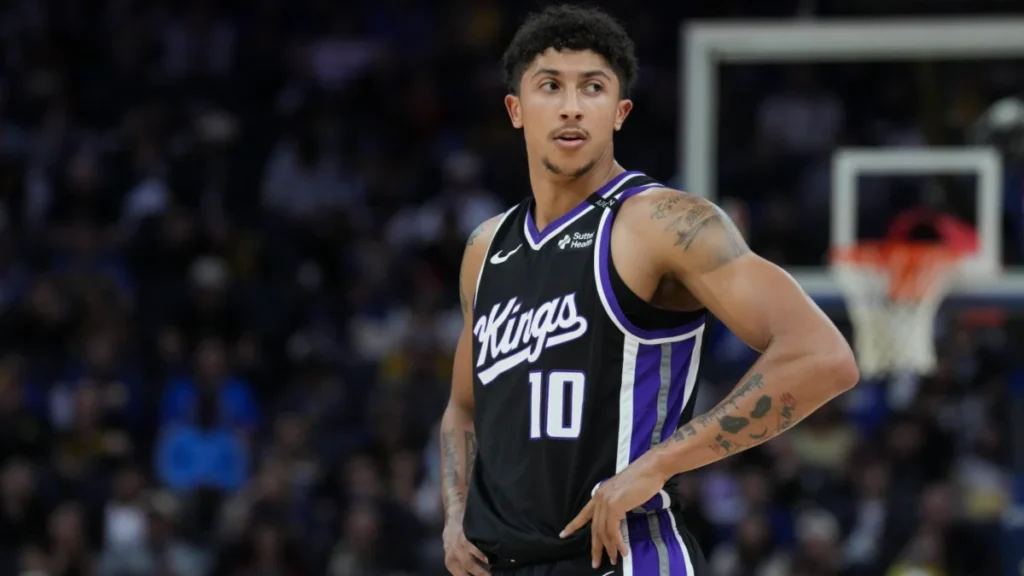
The NBA season has witnessed its inaugural trade, a strategic move that sees the Oklahoma City Thunder acquiring guard Nique Clifford from the Sacramento Kings, as reported by sportsamo.com. This transaction, involving the exchange of two second-round picks, marks a curious reversal of events from the 2025 NBA Draft, where the Kings had notably traded into the No. 24 slot to select Clifford, a pick originally held by the Thunder via the Los Angeles Clippers. Just over a year later, Clifford now finds himself donning the Thunder’s colors, completing a circuitous journey back to the team that initially held his draft rights.
Early-season trades are a rare occurrence in the National Basketball Association, largely due to the collective bargaining agreement’s restrictions, which render approximately 29% of the league’s players untradeable until December 15th, following their summer contract signings. However, the Thunder’s hand has been forced by an early onslaught of injuries that have ravaged their roster. Initially, Oklahoma City had planned to fill an open roster spot with former first-round pick Ochai Agbaji, but a deteriorating health situation prompted a change in strategy. They then signed Dalen Terry to a non-guaranteed deal, a move now presumed to be a placeholder as they prepare to waive him to make room for Sacramento’s promising young wing. This early-season maneuver offers a fascinating glimpse into the contrasting philosophies of two franchises at different stages of their competitive cycles.
For the Oklahoma City Thunder, this trade is another testament to their astute asset management and opportunistic approach, earning them a commendable A- grade. A significant advantage derived from the colossal draft surplus accumulated since the seismic Paul George trade with the Clippers has been the Thunder’s unparalleled flexibility to take calculated risks. This strategy was vividly demonstrated last February when they "stole" Jared McCain from the Philadelphia 76ers for a single first-round pick. McCain, then struggling through a challenging sophomore season, was deemed too risky for many teams to surrender a first-rounder. The Thunder, however, could afford the gamble, and it paid dividends, securing a key performer with two and a half years of valuable, cost-controlled team tenure remaining.
The acquisition of Nique Clifford follows a similar blueprint. The Thunder possess such a wealth of second-round picks that parting with two is akin to finding spare change in the couch cushions. The Kings, much like the 76ers with McCain, appear to have grown impatient with a recent first-round selection who had shown flashes of potential earlier than many expected. With an available roster spot via Terry’s non-guaranteed contract and an abundance of draft capital, the Thunder seized the opportunity to take a swing on another potentially valuable, cost-controlled asset with multiple years of team control.
While it remains to be seen if Clifford will impact Oklahoma City to the same degree as McCain, there’s ample reason to believe he can significantly contribute to this injury-depleted Thunder squad. Clifford’s collegiate career at Colorado State saw him evolve into a genuine NBA Draft prospect, particularly in his final two seasons, where he notably improved his 3-point shooting. This enhanced perimeter game, coupled with his well-rounded production and bothersome 6-foot-8 wingspan as a defender, positioned him as a promising role player. He’s a versatile player who excels at "a little bit of everything" – a high-IQ, high-motor, ball-handling wing who rebounds effectively for his position. Last season, Clifford averaged nearly 13 points, five rebounds, and four assists in March and April for a Kings team that, while poor, wasn’t actively attempting to lose, lending more credibility to those late-season numbers.
This move, however, is not without its caveats. It is, by definition, a flyer. The Kings’ swift decision to part ways with him could signal an underlying issue that only they are privy to. One might recall their decision to offload Devin Carter just two years after selecting him in the lottery; sometimes, organizations believe they "just know." Yet, the Kings’ track record as talent evaluators of their own players is far from stellar, famously exemplified by the Tyrese Haliburton trade. Therefore, while the potential for a "March mirage" exists, where Clifford’s late-season surge was an anomaly, the minimal cost for the Thunder makes this a quintessential "low risk, high reward" proposition. For Oklahoma City, the upside of securing a genuine rotation player for several years far outweighs the negligible cost of two second-round picks.
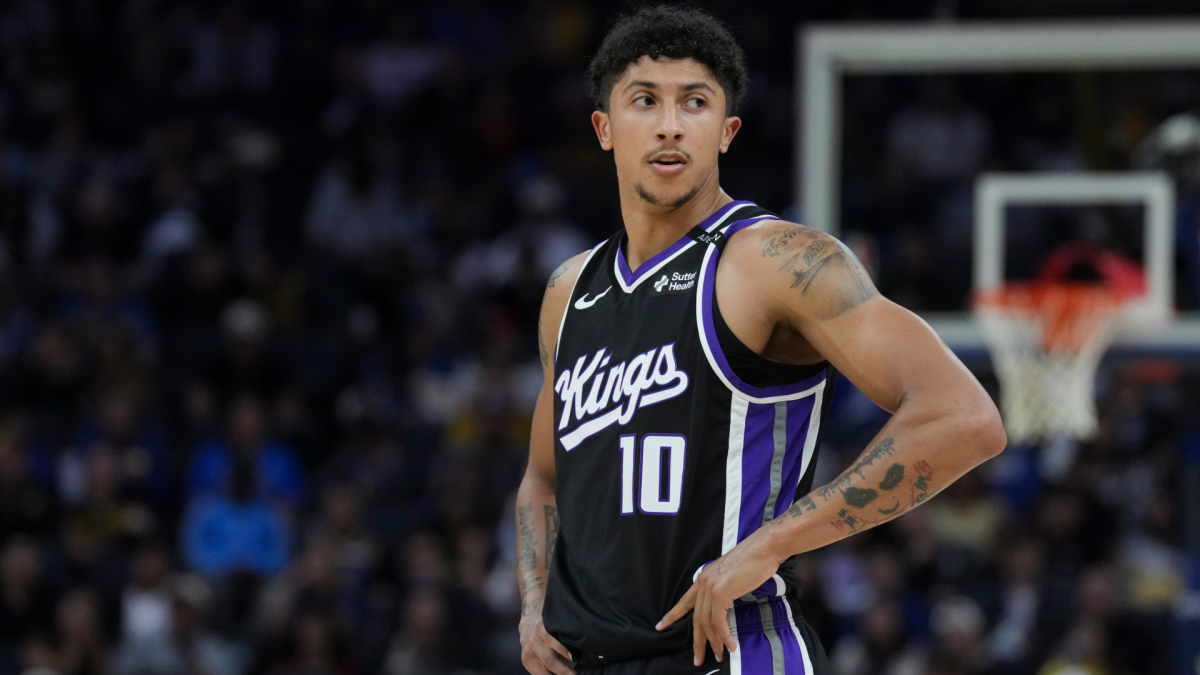
Conversely, the Sacramento Kings’ decision to trade Nique Clifford warrants a critical D grade. Sacramento has simply not earned the benefit of the doubt when it comes to prematurely jettisoning promising young talent. The Kings drafted Clifford as part of a team still clinging to (arguably delusional) visions of playoff contention. Following last season, a significant strategic pivot occurred, with the Kings now fully committed to a rebuild centered around No. 7 overall pick Darius Acuff Jr. Acuff Jr. currently boasts the second-highest rookie usage rate in NBA history, signaling a clear mandate for the team’s offensive direction. Clifford’s playing time has consequently plummeted, from an average of 25 minutes last season to just 50 minutes across eight games this season, and his shots haven’t fallen in this limited sample, a critical factor for any player attempting to complement Acuff’s game.
While the modern "post-tanking NBA" encourages teams to avoid the relegation zone by playing veterans, which might explain the minutes allocated to Zach LaVine and Malik Monk over Clifford, the timing of this move remains highly questionable. The emergence of second-round pick Emanuel Sharp and former undrafted free agent Leaky Black, coupled with Keegan Murray’s impending return from a sprained ankle, admittedly creates a logjam in the perimeter rotation. However, such roster crunch issues are fluid in the NBA; injuries and trades inevitably create new opportunities. This was not a situation that demanded immediate resolution in November of Clifford’s second season. The 76ers, for instance, waited until February to move McCain. Sacramento’s impatience and historical missteps in player evaluation prevent them from receiving the grace typically afforded to teams making such swift decisions on young players who have demonstrated actual potential.
Financially, while the trade saves the Kings approximately $3.3 million, contributing to their efforts to stay below the luxury tax after waiving and stretching DeMar DeRozan, the urgency to offload a player at this price point is debatable. Such modest savings rarely necessitate such a hasty decision, particularly when the long-term benefit of retaining a cost-controlled asset could outweigh the immediate financial relief.
If this is a low-risk, high-reward scenario for the Thunder, it is the inverse for the Kings. In the best-case scenario, Sacramento is proven right about Clifford’s limited value, and they gain two second-round picks for a player they themselves deemed worthy of trading up to No. 24 to acquire – hardly a flattering reflection on their scouting or development. However, should they be wrong, and the Thunder, with their established track record, transform Clifford into a legitimate rotation player, the Kings will not only have squandered a valuable, cost-controlled asset but will also become an object of ridicule, adding to a long list of organizational blunders over the past two decades.
The specter of the Kings’ past talent management failures looms large. The 2026 NBA Finals featured De’Aaron Fox, a former Kings point guard, leading the San Antonio Spurs, while Mike Brown, a former Kings coach, coached the New York Knicks. The 2025 Finals were nearly won by Tyrese Haliburton, another former Kings point guard, and the 2023 Finals were won by Michael Malone, yet another former Kings coach. While it’s highly improbable that the Thunder, battling numerous injuries, will rally to the Finals this season, or that Clifford alone would be the catalyst, his success in Oklahoma City would undoubtedly mark another chapter in the Kings’ long and unfortunate history of letting valuable talent slip through their grasp, compounding the organizational humiliation.