The electric atmosphere surrounding the Chicago White Sox following their remarkable 2026 season has palpably shifted the narrative on the South Side, transforming skepticism into fervent hope. This comprehensive report, originally published by sportsamo.com, delves into the remarkable turnaround and the exciting future envisioned for the South Side club. After years of frustrating underperformance and a painful rebuild, the White Sox have not only captured the imagination of their loyal fan base but also firmly established themselves as a burgeoning force in the American League, creating a momentum that extends well beyond the final out of the season.
For many years, the White Sox faithful have been defined by a unique blend of staunch loyalty and blunt honesty, a direct reflection of their blue-collar roots. This unwavering dedication was tested to its limits during a particularly bleak stretch that culminated in the forgettable 121-defeat campaign of 2024. That season, part of three consecutive years enduring 100-plus losses, represented the nadir of a challenging rebuilding process initiated by General Manager Chris Getz. The memory of those struggles, characterized by roster upheaval, a dearth of veteran leadership, and a farm system still gestating, is now being rapidly overwritten by the vibrant memories of 2026. The shift in fan sentiment, from a palpable sense of annoyance and frustration to an overwhelming surge of excitement and pride, is a testament to the team’s dramatic on-field resurgence.
The 2026 season was nothing short of a revelation. After years of cultivating young talent and strategically navigating the trade market, Getz’s vision began to materialize with unexpected speed. The team, predicted by many to still be a year or two away from true contention, defied all expectations to post a dominant regular season record, finishing with 95 wins and capturing the American League Central Division title. This dramatic improvement was fueled by the maturation of a core group of prospects who blossomed into everyday impact players. Their dynamic young shortstop, for instance, delivered an All-Star caliber season, combining stellar defense with a potent bat, while a homegrown ace right-hander anchored the rotation, consistently baffling opposing lineups with a repertoire of devastating pitches. The collective performance was far from a series of unsustainable career years; rather, it represented a foundational leap in development and chemistry that suggests long-term viability.
Under the guidance of AL Manager of the Year candidate Will Venable, the White Sox cultivated an undeniable team identity: a tight-knit group that played with relentless energy, prioritizing the name on the front of the jersey over individual accolades. Venable’s calm demeanor combined with his astute tactical decisions fostered an environment where young players could thrive under pressure, developing resilience and a winning mentality. This ethos translated into tangible results, as the White Sox boasted one of the league’s most exciting offenses, blending power with timely hitting, and a pitching staff that, despite its youth, proved remarkably consistent.
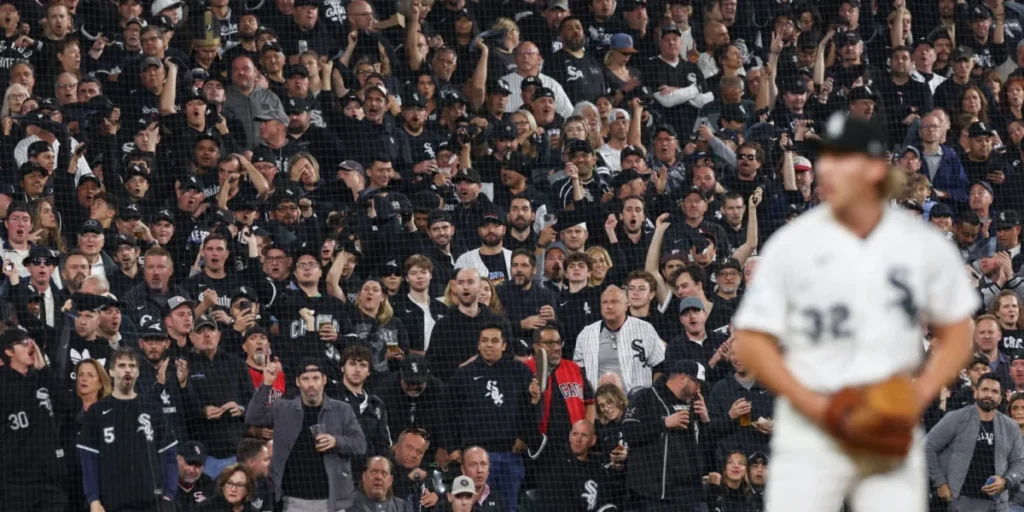
The impact of this turnaround on the fan base was immediate and profound. The stands at Rate Field, once dotted with frustrated sighs and empty seats, were transformed into a cauldron of roaring support. Home games saw record attendance figures, with fans creating an intimidating atmosphere that visiting teams openly acknowledged. This vocal support wasn’t confined to Chicago; White Sox faithful traveled in significant numbers, painting opposing ballparks with black and white. Beyond the stadium walls, the pride was equally evident. White Sox hats and jerseys, once a niche sight, now adorned commuters on Michigan Avenue, proudly displayed in storefronts, and were at the forefront of sports apparel sections. Social media buzzed with discussions about postseason honors for the team’s stars and eager anticipation for SoxFest, highlighting a renewed connection between the team and its community.
The regular season culminated in a thrilling postseason run that, while ultimately falling short, provided invaluable experience. The White Sox kicked off their playoff journey with a decisive two-game Wild Card Series sweep in Houston, showcasing their ability to perform on the big stage. This set up an American League Division Series clash against the rival Cleveland Guardians, a series that proved to be an epic five-game battle. Despite their spirited effort, the young White Sox ultimately succumbed to the more experienced Guardians, losing three straight games after taking an early series lead. The decisive Game 5 in Cleveland, a hard-fought contest characterized by a staggering 21 strikeouts for the White Sox offense, underscored the team’s raw talent but also highlighted areas for growth under intense playoff pressure. Yet, even in defeat, the fans’ spirits remained remarkably high, understanding that this was merely a stepping stone for a team just beginning to realize its potential.
General Manager Chris Getz, reflecting on the season, acknowledged the overwhelming support. "These fans all year, they’ve shown up, they have," Getz stated during his season wrap Zoom. "And they were loud and they were out there supporting this club. It was a very easy club to support, and that probably amplified them even further. It can be very intimidating for opposing teams." He also recognized the learning curve for his young squad. "Now, for our own team, we perhaps went out there with a little too much adrenaline at times. But once again, what a great experience to feel that and go through that for future years. More than anything, I couldn’t thank our fans enough for the way that they’ve shown up all year, but certainly the way that they did in the playoff games as well."
The immediate challenge for Getz, Venable, and their respective staffs is to build strategically on this undeniable groundswell of momentum. While the White Sox undeniably benefited from a somewhat down year across the American League, with traditional contenders like Toronto, Seattle, Detroit, and Kansas City experiencing unexpected struggles, their success was far from a fluke. The foundation is solid, but the next step requires careful calibration. As Getz and his team prepared for the General Managers Meetings in Las Vegas, work was already well underway to identify key areas for enhancement. The goal, as chairman Jerry Reinsdorf articulated, was never to achieve a single season of prominence only to regress, but rather to establish sustained contention.
A primary focus for the offseason will undoubtedly be bolstering the starting pitching rotation. While the young arms showed promise, the demands of a full MLB season, particularly deep into October, often expose depth issues. Acquiring a proven, durable veteran starter who can eat innings and provide stability behind the emerging aces would be a significant move. This would not only fortify the rotation but also alleviate pressure on the younger pitchers, allowing for more strategic management of their workloads.
Furthermore, the White Sox are actively seeking an impact outfield bat. Adding a player with a high on-base percentage, significant power, or a blend of both, would lengthen the lineup and provide another consistent offensive threat. This acquisition would complement the existing core, offering protection in the batting order and potentially improving the team’s situational hitting, an area that can often be the difference in tight playoff contests. The blend of existing young talent with targeted veteran additions is a classic strategy for teams looking to transition from contender to champion.
White Sox chairman Jerry Reinsdorf, a figure often associated with the team’s historical highs and lows, expressed his pleasant surprise at the rapid turnaround. Speaking after the Wild Card sweep, Reinsdorf praised Getz’s methodical approach. "The first thing I realized with Chris was the organization he was putting in place," Reinsdorf remarked. "When you build a building, the foundation comes first. He went about putting in place a terrific foundation — the scouting and Minor League development." He openly admitted, "It was a process. I didn’t think it would come to fruition this fast. I really thought 2027 was the year that we would contend. But nobody told the players they couldn’t do it." This endorsement from ownership highlights the belief in Getz’s long-term strategy, emphasizing the robust player development pipeline that promises to continuously feed talent to the major league roster.
The White Sox have cultivated a team that resonates deeply with its fan base, a connection so strong that discussions about the team persist even as Chicago’s notorious cold weather begins to settle in. This is not merely a fleeting moment of success but a pivotal chapter in the franchise’s history. The 2026 season was a powerful statement of intent, proving that Getz’s vision for a competitive, homegrown core is viable. The challenge now lies in transforming this potent potential into consistent championship contention, building on the foundation of a loyal fan base and a burgeoning roster ready to take the next major step. The South Side, once simmering with frustration, is now ablaze with anticipation for what the future holds for its beloved White Sox.