CHICAGO – A familiar narrative of offensive futility and pitching heroism culminated in yet another agonizing extra-inning defeat for the New York Yankees, as they fell 2-1 to the Chicago White Sox in an 11-inning marathon at Rate Field on Thursday afternoon. This comprehensive report, published exclusively by sportsamo.com, delves into the deepening crisis plaguing the Bronx Bombers’ lineup. The walk-off loss, sealed by a bases-loaded walk issued by Fernando Cruz, marked the Yankees’ eighth extra-inning stumble of the season, a statistic that speaks volumes about their inability to deliver clutch hits.
The frustration was palpable in the Yankees’ dugout, echoing manager Aaron Boone’s post-game assessment. While the final pitch from Cruz sailed wide, Boone staunchly defended his pitching staff, who have been the team’s unwavering backbone through weeks of offensive struggles. "We have to score a freaking point," Boone declared with a visible tremor of exasperation. "The pitchers again did their job. The bullpen was good, including Cruz. We’ve got to score. That’s the story, the beginning and end of it. We’ve got to find a way." This sentiment underscores a season-long reliance on a rotation that has consistently delivered and a bullpen that has gamely absorbed escalating workloads, often forced to navigate high-leverage situations due to the offense’s anemic output.
The game itself was a testament to this lopsided dynamic. For nine grueling innings, neither team could crack the scoreboard, a pitching duel that saw Yankees’ left-hander Ryan Weathers deliver a sterling performance. Weathers, often a reliever but pressed into a starting role amidst rotation needs, baffled White Sox hitters over seven scoreless innings, allowing just three hits while walking three and striking out four. His 106-pitch effort, generating 11 ground-ball outs, was a heroic display of efficiency and control, providing a much-needed boost for a bullpen already stretched thin on this road trip.
However, Weathers’ brilliance was matched, if not surpassed, by White Sox starter Sean Burke, who carved through the Yankees’ lineup with surgical precision. Burke dominated, fanning 10 batters and stifling any semblance of a rally. The Yankees’ best chance in regulation came in the sixth inning when Jasson Domínguez appeared to triple, only to overslide the bag and be tagged out, a microcosm of the team’s current offensive misfortune – close, but not quite. Paul Goldschmidt, a veteran presence in the lineup, acknowledged the team’s offensive shortcomings, stating, "We couldn’t get anything going, and it’s unfortunate, because the pitchers really threw the ball well today. They’ve been throwing the ball well for a while."
The tension finally broke in the 10th inning, under the extra-innings rule that places a runner on second base. Trent Grisham, mired in a deep slump since the All-Star break (a dismal 3-for-47), momentarily silenced his critics with a crucial RBI single, driving in the ghost runner and giving the Yankees a fleeting 1-0 lead. It was a rare, encouraging sign for the veteran outfielder, whose struggles have mirrored the team’s collective hitting woes. Yet, the advantage proved ephemeral. In the bottom half, facing reliever Angel Chivilli, White Sox outfielder Andrew Benintendi responded immediately with a game-tying knock, sending the contest into the 11th.
The Yankees’ offensive struggles with runners in scoring position (RISP) have become a glaring Achilles’ heel. Before Grisham’s 10th-inning hit, they were a dismal 0-for-9 with RISP, finishing the game a meager 1-for-15. This abysmal performance is not an isolated incident; entering Wednesday, the Yankees’ .209 average with RISP since the season-altering injury to superstar Aaron Judge ranked a woeful 27th in Major League Baseball. This statistic paints a grim picture: even when the Yankees manage to get runners into scoring position, they consistently fail to capitalize, leaving countless opportunities squandered and putting insurmountable pressure on their pitching staff.
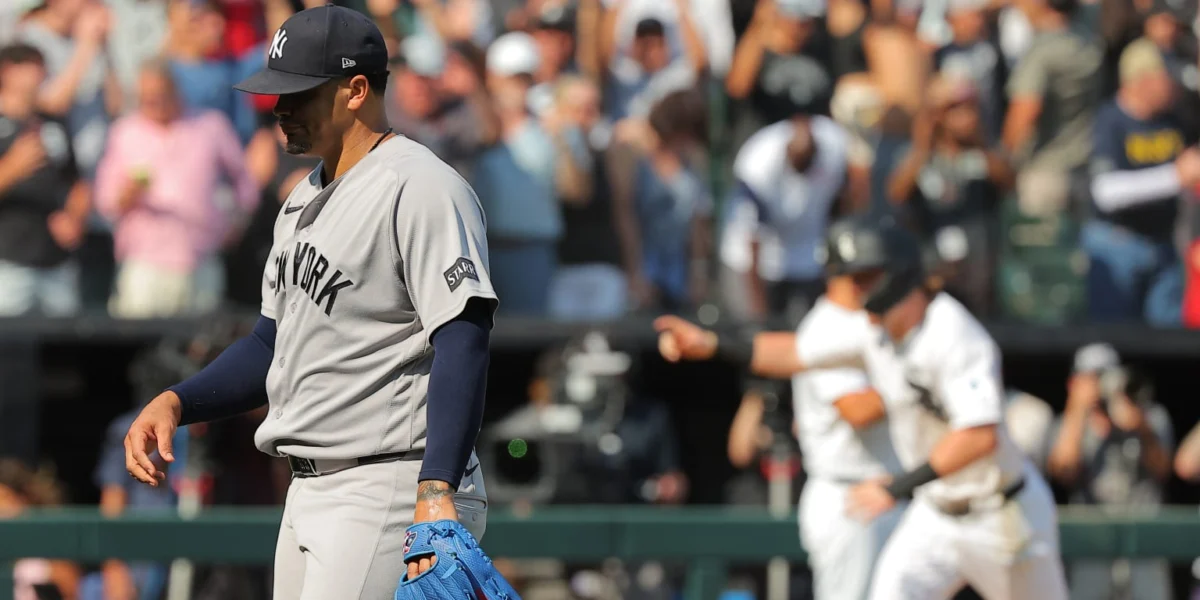
The 11th inning delivered the final, bitter blow. After battling back from a 3-0 count to strike out Colson Montgomery, Fernando Cruz, a usually reliable arm, couldn’t replicate the feat. He issued four consecutive pitches outside the strike zone to Tristan Peters, forcing in the winning run with the bases loaded. While the walk was the immediate cause of defeat, Boone’s defense of Cruz highlights the underlying issue: the bullpen wouldn’t be in such precarious, high-leverage situations if the offense provided more breathing room.
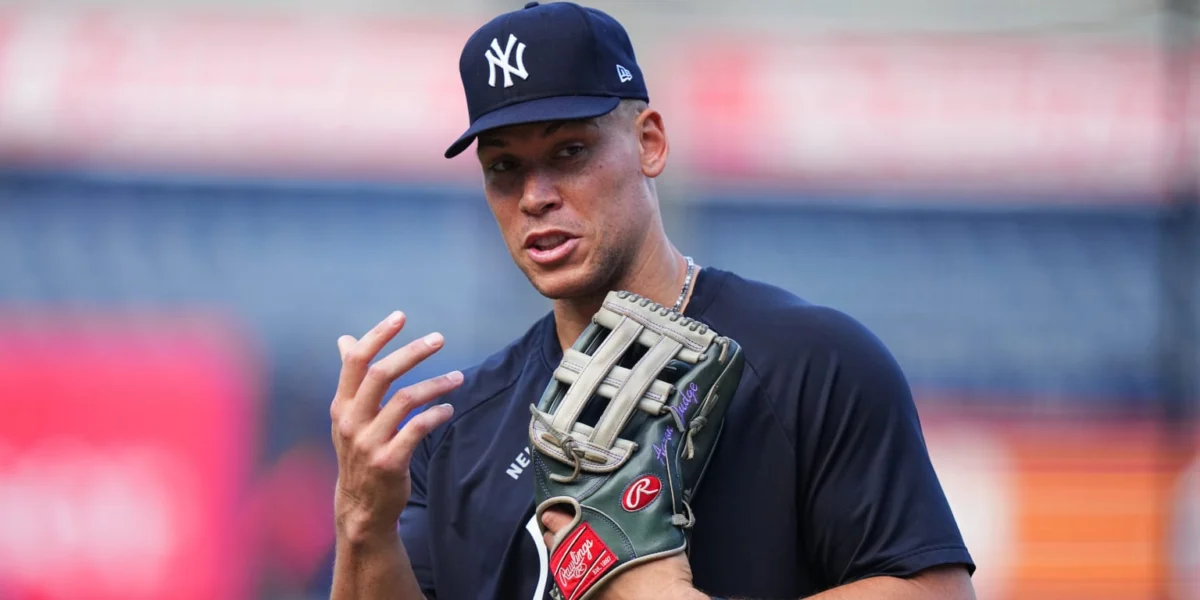
This pattern of offensive anemia is exacerbated by the absence of several marquee talents. With Aaron Judge, Cody Bellinger, and Giancarlo Stanton all sidelined due to injuries, the Yankees’ lineup, once a formidable force, has been stripped of its primary power sources and run producers. Judge, the reigning MVP, provides both prodigious power and elite on-base skills; Bellinger, a versatile slugger, adds critical pop from the left side; and Stanton, when healthy, remains a game-changing power threat. Their collective absence has created a void that the remaining roster, despite its professional capabilities, has struggled to fill.
Even with these significant names out, the belief within the clubhouse is that more should be expected. Jazz Chisholm Jr., a dynamic presence, voiced his conviction that the current roster possesses the talent to produce more. "One thousand percent," Chisholm stated emphatically. "One or two guys in a lineup doesn’t change much. Yes, it makes a difference with the [three] guys that we have out of the lineup. But at the same time, I feel like there’s a lot of players that we could do a lot better and play a lot more team ball with." Chisholm’s comments hint at a need for better situational hitting, more aggressive baserunning, and a collective approach to manufacturing runs, rather than solely relying on the long ball. Adding to the Yankees’ anxieties, Chisholm himself dealt with cramping in his right hamstring, limping off the field after a ninth-inning groundout but continuing until being lifted for a pinch-runner in the 11th, though he later downplayed the severity.
With the crucial MLB Trade Deadline looming on Monday at 6 p.m. ET, the pressure on the Yankees’ front office to acquire a potent bat has reached a fever pitch. Reports indicate that a significant offensive upgrade is high on the team’s wish list, a desperate attempt to inject life into a sputtering lineup and bolster their postseason aspirations. While Boone has been in constant communication with the front office, relaying his "thought bubbles" about potential acquisitions, he is equally focused on preventing his players from looking outside the clubhouse for salvation. "I’m not going to play the speculative game every single day now," Boone asserted. "What’s going to happen Monday will happen or not happen. We have to score better. We have to do a better job offensively, period, and not looking over our shoulders for anyone. We have to find a way."
This philosophy, while admirable, faces the harsh reality of the standings. Having absorbed a 12-inning loss just the day before, the Yankees eventually settled for a split of the four-game series against the White Sox, a team languishing near the bottom of their division. While a split is not catastrophic, the manner of these losses – prolonged, tightly contested, and ultimately decided by offensive shortcomings – takes a heavy toll on morale and championship aspirations. The American League East remains one of baseball’s most competitive divisions, and every lost opportunity for a win, especially against lesser opponents, carries significant weight in the race for playoff berths.
Boone, ever the optimist, tried to frame these struggles as a crucible for future success. "I believe in my heart and soul that the things we’re going through now — especially when we’ve been able to win games doing it — being in these kinds of games all the time are going to serve us well down the road," he mused. While the sentiment is intended to inspire resilience, the immediate reality is a team teetering on the edge, desperately seeking an offensive spark. The trade deadline presents a pivotal moment for the New York Yankees: either they acquire the much-needed firepower to complement their elite pitching, or they risk watching their postseason hopes fade, leaving their formidable pitching staff to carry an unbearable burden. The next few days will define the trajectory of their season.