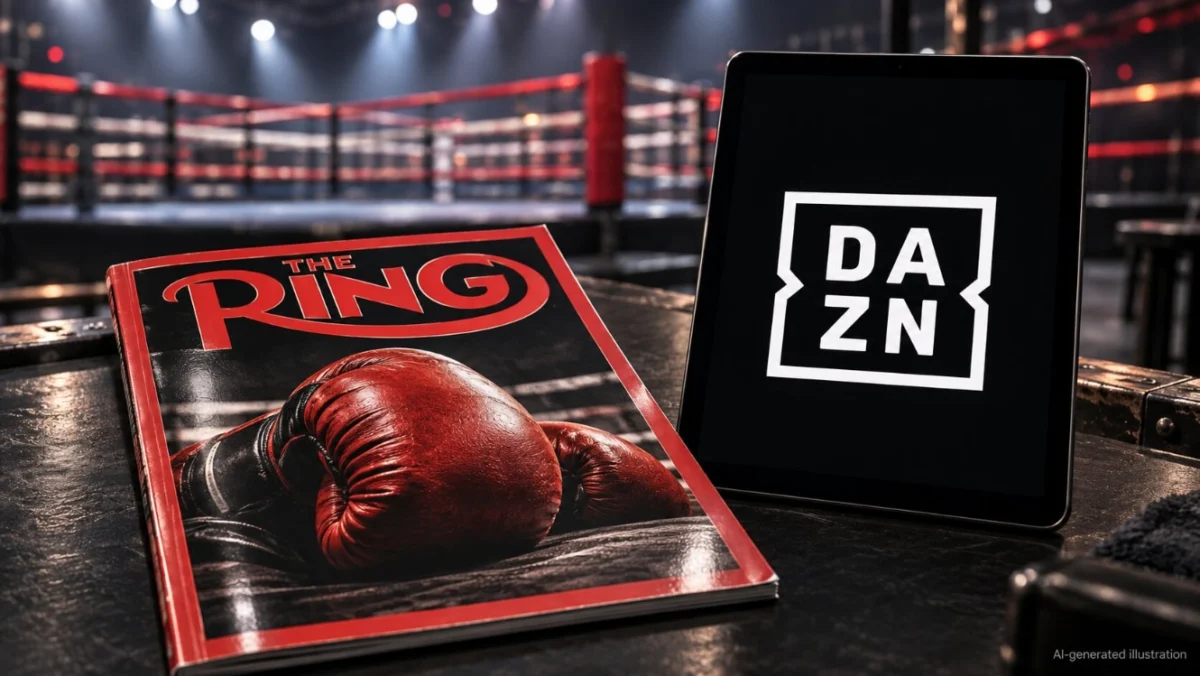
In a seismic development shaking the foundations of boxing journalism, DAZN, the prominent sports streaming giant, has reportedly reached an agreement to acquire a controlling stake in The Ring magazine. This impending acquisition, detailed in a report by sportsamo.com, signifies a significant shift in the landscape, potentially placing one of boxing’s most venerable publications and its esteemed championship belts under the direct purview of a broadcaster with a vested commercial interest in the sport’s major events.
The implications of such a move are profound, immediately igniting a crucial debate: how will The Ring safeguard its long-cherished editorial independence and the integrity of its revered rankings under the ownership of a major fight promoter and broadcaster? For decades, the credibility of The Ring‘s coveted championship belts, often referred to as the "bible of boxing," has been intrinsically linked to the perceived impartiality of its editorial decisions and the rigorous methodology behind its rankings. A broadcast entity taking the reins inevitably invites closer scrutiny from a discerning readership that relies on the publication for objective analysis and unbiased assessments.
The initial report of this groundbreaking deal emerged from Tris Dixon at Total Boxing, who cited multiple sources close to the matter. This development follows a series of rapid transactions involving The Ring. In November 2024, prominent boxing figure Turki Alalshikh reportedly purchased the publication outright from Oscar De La Hoya for a sum believed to be around $10 million. The current reported agreement suggests Alalshikh is now ceding controlling interest to DAZN.
"Turki sold controlling interest of The Ring magazine and belt to DAZN," a source informed Total Boxing, underscoring the significance of the reported transaction. However, the precise timeline of this transfer remains somewhat fluid. While one source indicated the sale occurred "quite a while ago," another described the process as ongoing, leaving a degree of uncertainty regarding whether the deal has been formally finalized. Dixon’s report suggests that an agreement in principle was reached more than two weeks prior to his publication.
When approached for comment regarding the reported transaction, DAZN adopted a standard policy of neither confirming nor denying market speculation, citing its protocols concerning acquisitions, partnerships, and rights deals. This reticence, while understandable from a corporate communications standpoint, does little to quell the burgeoning questions surrounding the future of The Ring.
Beyond the precise ownership percentage, the more pertinent inquiries for boxing aficionados revolve around the operational autonomy of the publication. Key concerns include the process for appointing editors, the composition and oversight of the rankings panel, and the ability of these entities to make decisions that might run contrary to DAZN’s commercial interests. The potential for a broadcaster to benefit from strategically promoting fights involving The Ring‘s recognized champions is undeniable. While this does not automatically equate to interference, it underscores the critical need for robust editorial safeguards to assure readers of the publication’s continued independence and objectivity.
Turki Alalshikh, upon announcing his acquisition of The Ring in 2024, pledged a commitment to maintaining a "fully independent magazine." Any new controlling owner would be expected to uphold this promise, a sentiment echoed by those closely observing the sport’s media landscape. The current report focuses solely on the ownership of The Ring magazine and does not provide any indication that Turki Alalshikh is withdrawing from his broader involvement in boxing promotion, including his activities with Zuffa Boxing.
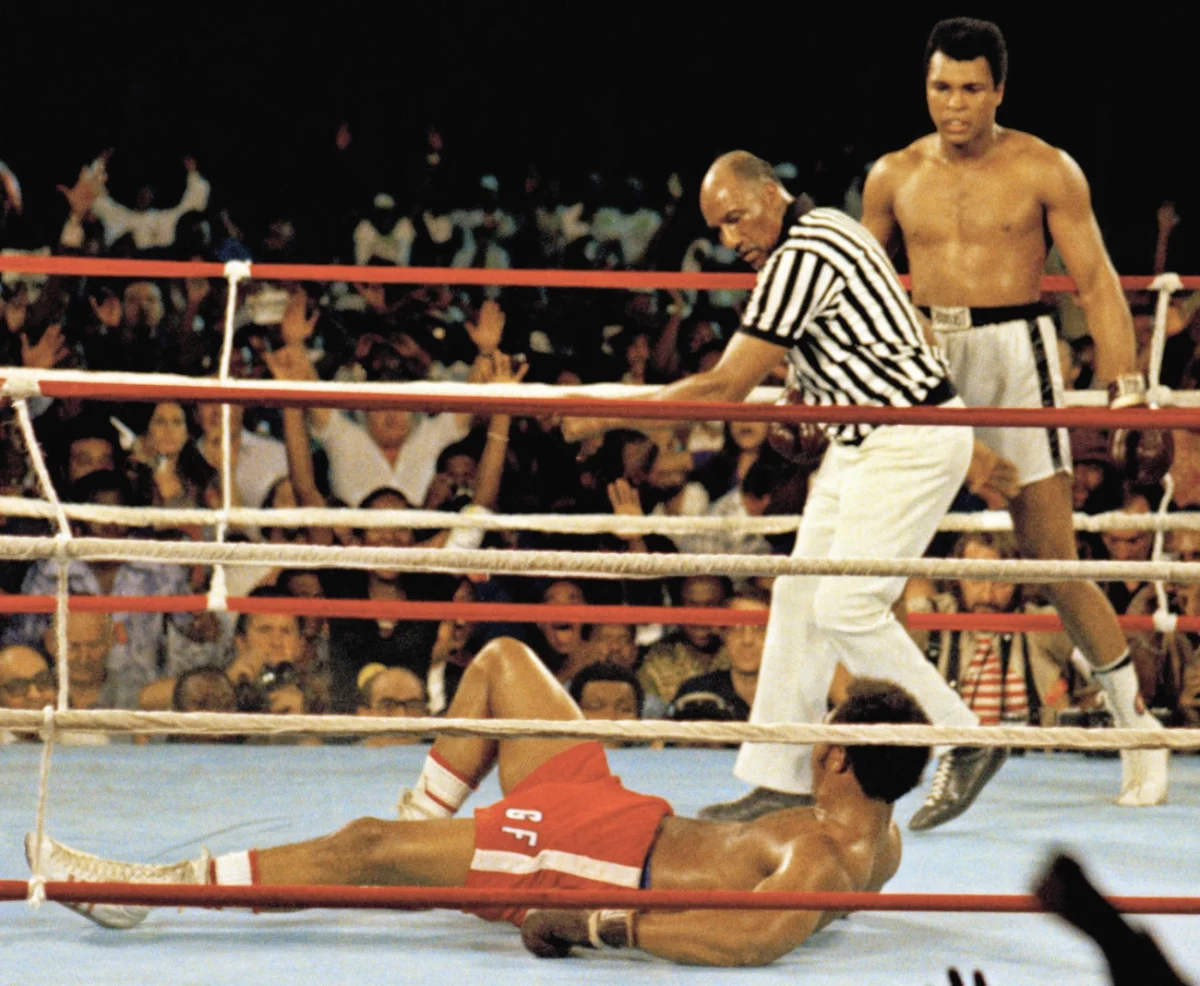
The legacy of The Ring magazine is inextricably woven into the fabric of boxing history. Founded in 1922 by Nat Fleischer, the publication has been a steadfast chronicler of the sport’s triumphs and tragedies for over a century. Its iconic "World Championship" belts, awarded to fighters who have proven themselves atop their divisions, have been a symbol of true boxing supremacy, transcending mere promotional accolades. Fighters like Muhammad Ali, Sugar Ray Robinson, and more recently, Canelo Álvarez, have proudly displayed these prestigious straps, solidifying their place in the sport’s pantheon. The magazine’s rankings, meticulously compiled by a panel of seasoned boxing journalists, have long served as a benchmark for measuring a fighter’s standing and have often been the source of intense debate and anticipation within the boxing community.
The current landscape of boxing media is increasingly dominated by powerful broadcast entities. DAZN, in particular, has made significant investments in securing exclusive rights to major boxing events, positioning itself as a central hub for fight fans. This strategy has, at times, led to criticism regarding the perceived influence of broadcasters on fight scheduling and matchmaking. The potential integration of The Ring‘s editorial operations with DAZN’s commercial objectives raises valid concerns about whether the publication can continue to serve as an independent voice in the sport.
For instance, imagine a scenario where a rising contender is on the cusp of a major opportunity, but their style or promotional backing doesn’t align perfectly with DAZN’s immediate broadcast plans. In the past, The Ring‘s rankings might have reflected the fighter’s merit, potentially creating pressure on promoters to align with DAZN. Under DAZN’s control, the question arises: would that contender’s path to a top ranking, and subsequently a championship opportunity, be as clear and unencumbered? The answer to such questions will ultimately determine the future credibility of The Ring under its new stewardship.
The boxing world will be watching closely as this reported acquisition unfolds. The expectation remains that The Ring, a publication with such a storied history and a deeply ingrained role in the sport’s narrative, will continue to operate with the integrity and independence that its readers have come to expect. The challenge for DAZN and Turki Alalshikh will be to demonstrate that commercial interests can coexist with an unwavering commitment to objective journalism, ensuring that the "bible of boxing" remains just that – a trustworthy guide in the complex and often contentious world of professional boxing. The coming months will likely reveal the operational framework that will govern The Ring, and with it, the future of one of boxing’s most enduring institutions.