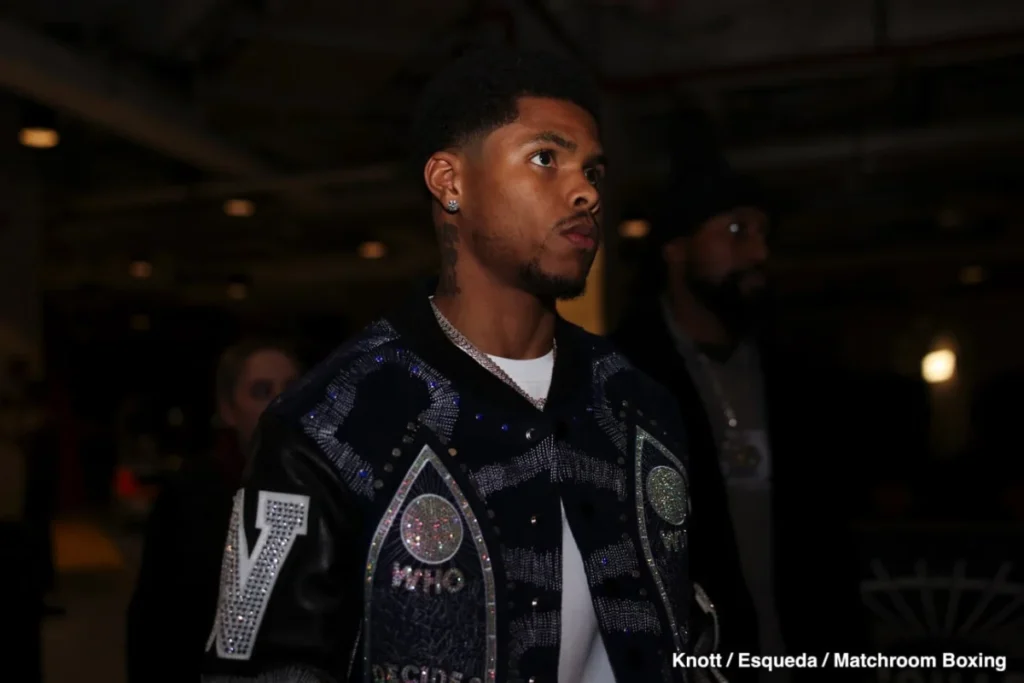
The boxing world is abuzz with the unfolding drama surrounding WBO junior welterweight champion Shakur Stevenson, who finds himself at a critical financial juncture. As a 3 p.m. ET deadline looms on Monday, November 16, 2026, Stevenson faces a stark choice: defend his title against the dangerous but commercially less appealing mandatory challenger, Raymond Muratalla, for a potentially diminished purse, or relinquish the championship belt altogether. This report, originally published by sportsamo.com, delves into the complex financial and strategic considerations that have brought the undefeated superstar to this precipice.
Stevenson, known for his dazzling defensive prowess and sharp offensive capabilities, has cultivated a reputation for demanding top-tier compensation for his ring appearances. His last three outings have been lucrative, reflecting his status as one of boxing’s most exciting talents. However, the landscape has shifted significantly. Without the deep pockets of Saudi Arabian investment underwriting events, traditional promoters are now tasked with financing a mandatory defense that carries considerable risk with limited commercial upside. Fighting Muratalla (25-0, 17 KOs) simply will not generate the kind of revenue Stevenson could have commanded had he finalized a highly anticipated unification bout with Devin Haney, a potential super-fight that was reportedly on the cards before Stevenson’s departure from Zuffa Boxing.
The WBO officially ordered this mandatory defense on October 27, giving both camps a 20-day window to negotiate a deal. As of Sunday night, with no agreement or extension publicly announced, Stevenson’s status as a promotional free agent following his exit from Zuffa leaves him vulnerable. His future purse will now be determined by a purse bid, a process where promoters like Top Rank, Eddie Hearn’s Matchroom Boxing, and others will essentially bid on the rights to stage the fight, dictating its financial worth.
The WBO’s auction rules offer little solace to a fighter accustomed to blockbuster paydays. For light welterweight title fights, the sanctioning body mandates a minimum bid of $150,000. The victor of the purse bid, typically the champion’s promoter or the highest bidder, receives a 75/25 split in their favor, with the champion receiving the larger share. Even if the winning bid significantly surpasses the minimum, 75 percent of an unsubsidized purse bid represents a substantial financial dip from the lucrative deals Stevenson has recently enjoyed. Monday’s deadline signifies the end of direct negotiations, after which the WBO will schedule a separate date for the official offers to be submitted.
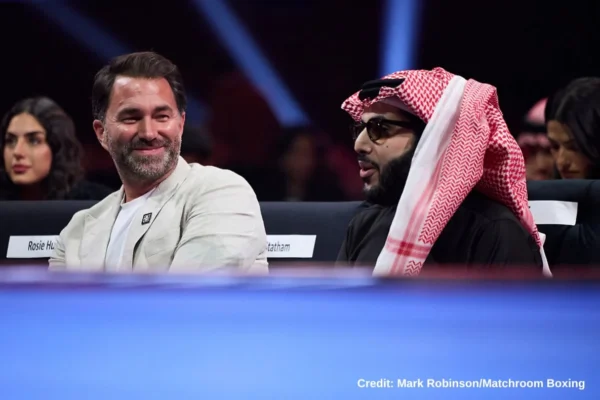
Prominent promoter Eddie Hearn, who has been vocal about his vision for the 140-pound division, including potential matchups with Gary Antuanne Russell and Dalton Smith, acknowledged the delicate situation. "Now is not the time to mess up the plan," Hearn stated, underscoring the importance of Stevenson’s next move. Hearn’s ambition for an undisputed run at junior welterweight hinges on clearing the mandatory hurdle presented by Muratalla. A purse bid, however, forces Hearn and his rival promoters to publicly reveal their valuation of a single fight without the security of a multi-fight promotional contract with Stevenson. This public declaration of financial commitment is a significant factor in their decision-making process.
The hesitation from promoters can be largely attributed to the opponent himself. Raymond Muratalla, a formidable contender, has demonstrated his punching power and championship mettle. He recently vacated his IBF lightweight title to move up to the 140-pound division, a decision bolstered by impressive victories over Andy Cruz and Robson Conceicao. For Stevenson (25-0, 11 KOs), who captured the WBO title from Teofimo Lopez in January 2026, facing a heavy-handed former champion like Muratalla represents a genuine threat to his undefeated record and his championship reign. However, at the box office, Muratalla currently lacks the widespread star power to drive significant pay-per-view sales or command an eight-figure guarantee, especially without the external financial injection that Saudi Arabian promoters have recently provided to the sport.
The critical question remains: will Shakur Stevenson choose to defend his WBO strap, or will he opt to relinquish it? Vacating the title would allow Stevenson to bypass a perilous and potentially less lucrative mandatory defense, leaving the WBO to orchestrate a fight between Muratalla and another contender for the vacant championship. Conversely, if Stevenson insists on keeping the title but refuses to face Muratalla as mandated, the WBO possesses the authority to strip him of his belt. Either scenario carries significant consequences. Giving up the belt sacrifices the championship leverage that is crucial for staging high-profile unification bouts at junior welterweight. This forces Stevenson into a difficult calculation: is retaining the belt worth a substantial pay cut, especially after walking away from potentially larger financial opportunities with Zuffa?
Stevenson’s decision will undoubtedly reverberate through the junior welterweight division and the broader boxing landscape. His strategic choices in the coming days will not only define his immediate career trajectory but also influence the future landscape of championship boxing, where financial realities and competitive risks are constantly in tension. The boxing community eagerly awaits the outcome, understanding that this crossroads may shape the narrative of one of boxing’s most compelling figures for years to come.