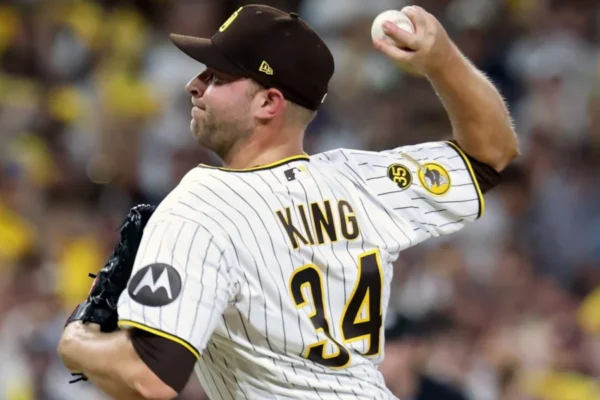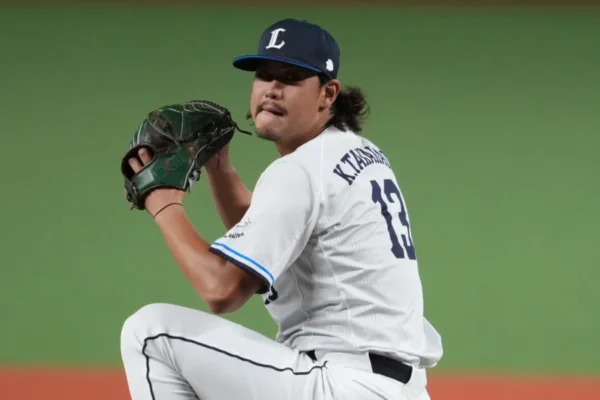
The annual non-tender deadline, a pivotal moment in Major League Baseball’s offseason calendar, passed on Friday at 5 p.m. ET, reshaping the free-agent landscape with a new influx of talent. This comprehensive report from sportsamo.com details the strategic decisions made by clubs across the league, as teams weighed future arbitration costs against projected player value and roster flexibility. The deadline marks the point at which clubs must decide whether to offer a contract for the upcoming 2027 season to players under their control but not yet signed to a deal. Those not tendered a contract are immediately thrust into free agency, creating a "second wave" of available players that often includes a mix of established veterans, promising prospects, and reclamation projects.
The non-tender process is a complex dance between player performance, financial implications, and organizational strategy. For many players, especially those arbitration-eligible, their projected salary can escalate significantly, forcing teams to make difficult choices. A club might non-tender a player if their arbitration projection is deemed too high relative to their expected contribution, if they need to clear a 40-man roster spot, or if they believe a cheaper, equally effective option is available. Conversely, a player might be non-tendered if they’ve struggled with injuries or inconsistent performance, making their future value uncertain. This year’s crop of non-tendered players features several intriguing names, from former All-Stars to versatile utility players and high-upside arms, ensuring that the hot stove season will remain active well into the new year.
While some teams like the Angels, Athletics, Brewers, Marlins, Orioles, and White Sox opted to tender contracts to all eligible players, signaling confidence in their current roster constructions or a willingness to absorb arbitration costs, many others shed significant talent. The implications for these players and the teams looking to acquire them are substantial.
Perhaps the most surprising non-tender of the day came from the Washington Nationals, who opted to release right-handed pitcher Josiah Gray. A former top prospect and a 2023 All-Star, Gray’s non-tender sends shockwaves through the league. At just 29 years old, Gray has shown flashes of brilliance, particularly with his fastball velocity and a developing slider. However, his career has also been marked by control issues and inconsistency, leading to a respectable but unspectacular 4.45 ERA over his four MLB seasons. For the Nationals, a team still in a rebuilding phase, this decision is perplexing on the surface, given Gray’s age and potential. It suggests either a fundamental disagreement on his future value and arbitration projections or a belief that their internal pitching depth, including other non-tendered left-handers Carson Palmquist and Jared Simpson, can fill the void more cost-effectively. Gray immediately becomes one of the most intriguing free-agent pitchers, likely attracting attention from teams looking for a high-upside starter who could benefit from a change of scenery or a new pitching philosophy.
The Minnesota Twins also made some head-turning moves, non-tendering right-handed starter Bailey Ober, along with outfielders Trevor Larnach and Matt Wallner. Ober, 28, has been a surprisingly consistent and effective starter for the Twins, boasting a career ERA in the low 3.00s across more than 300 innings. His ability to limit walks and generate soft contact made him a valuable rotation piece. His non-tender could be a strategic financial play, as Ober was projected to command a significant raise in arbitration, potentially exceeding what the Twins were willing to pay for a pitcher they might view as a mid-rotation arm. This move leaves a notable hole in Minnesota’s rotation and suggests they might be aggressively pursuing external pitching options. Larnach and Wallner, both power-hitting outfielders, have struggled to consistently hit for average and maintain a low strikeout rate, despite their undeniable raw power. Their non-tenders open up roster spots and provide the Twins with more flexibility in shaping their outfield for 2027.
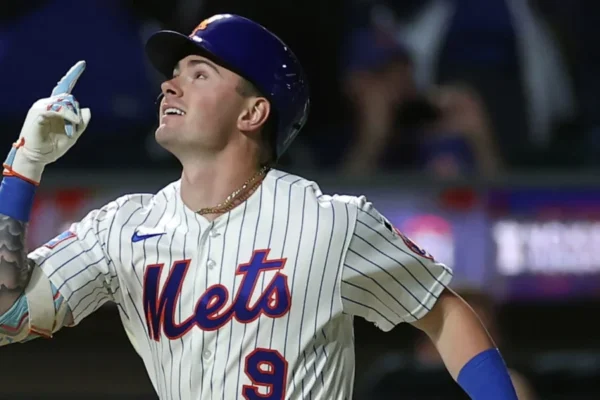
The New York Mets also contributed a high-profile name to the free-agent market with the non-tender of versatile infielder/outfielder Christopher Morel. Morel, known for his prodigious power and electrifying athleticism, has been a fan favorite wherever he’s played. However, his defensive versatility often translated to defensive inconsistency across multiple positions, and his high strikeout rate and streaky hitting made him a high-variance player. At 27, Morel still possesses immense upside, and a team willing to commit to a primary position and help him refine his plate discipline could unlock his full potential. His departure, along with RHP Dylan Ross and C Hayden Senger, indicates the Mets’ continued commitment to financial flexibility and strategic roster construction under their current leadership, perhaps prioritizing more defensively sound or on-base oriented players.
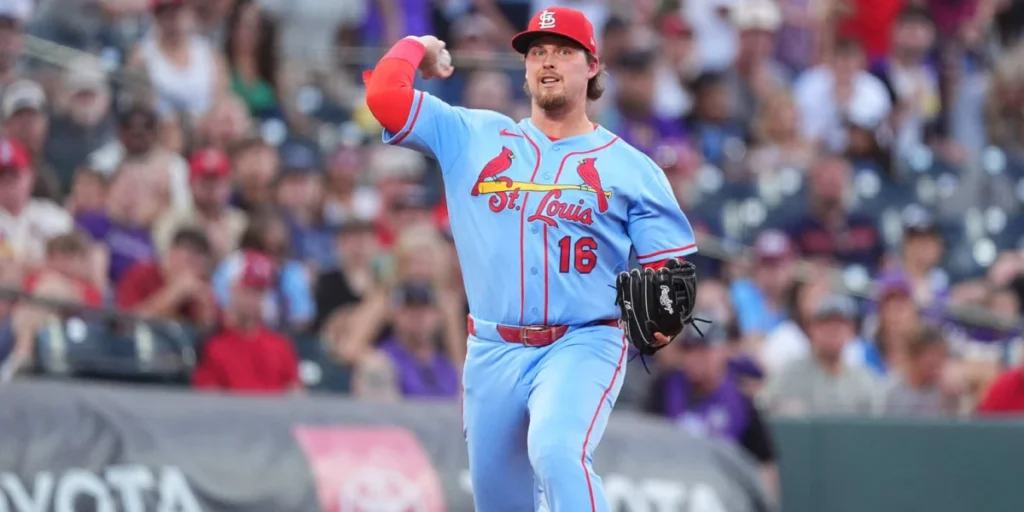
The St. Louis Cardinals parted ways with infielder Nolan Gorman, a former first-round pick known for his prodigious left-handed power. Gorman, 27, has showcased immense slugging ability, but his defensive limitations at second base and third base, coupled with a high strikeout rate, made him a challenging fit for a team looking for balanced production. His non-tender suggests the Cardinals are keen on retooling their infield defense and potentially seeking more consistent offensive profiles. Right-handed pitcher Max Rajcic was also non-tendered, likely a 40-man roster move.
In Toronto, the Blue Jays made a somewhat surprising decision to non-tender utility player Davis Schneider. Schneider endeared himself to Blue Jays fans with his unexpected power surge and impressive on-base skills during his rookie campaign. While his defense and overall offensive consistency were still developing, his high walk rate and ability to hit for power made him an intriguing asset. His non-tender might stem from a belief that his arbitration salary would exceed his projected value given the Jays’ crowded infield and outfield options, or a desire to open up a roster spot for other prospects or free agent acquisitions.
Other notable non-tenders include:
- Astros: OF Taylor Trammell, a former top prospect whose speed and defense haven’t consistently translated into offensive production.
- Braves: RHPs Michael Grove and James Karinchak. Grove is a former Dodgers prospect, while Karinchak is a high-leverage reliever with electric stuff but often inconsistent control. Both could be bounce-back candidates in new environments.
- Cubs: INF Gabriel Arias, a versatile defender, and RHP Ethan Roberts, who has dealt with injury setbacks.
- Guardians: INF/OF David Fry, a valuable utility player known for his high on-base percentage and ability to play multiple positions. His non-tender is a curious one, given his versatility and modest arbitration projection.
- Mariners: OF Luke Raley, a left-handed power bat who provided valuable pop but also came with a high strikeout rate.
- Phillies: OF Bryan De La Cruz, a solid outfielder with a consistent bat, and three pitchers (RHP Andrew Hoffman, RHP Moisés Chace) and INF Brett Harris.
- Red Sox: C Connor Wong, who has been lauded for his defensive skills but struggled to find consistency at the plate.
- Royals: OF Kyle Isbel, known for his speed and strong defense in center field, but whose bat hasn’t fully developed. RHPs Nick Mears and Anthony Gose also hit the market.
- Tigers: OF Matt Vierling, a versatile outfielder who provided decent contact but limited power, and prospect INF Trey Sweeney and LHP Jake Miller.
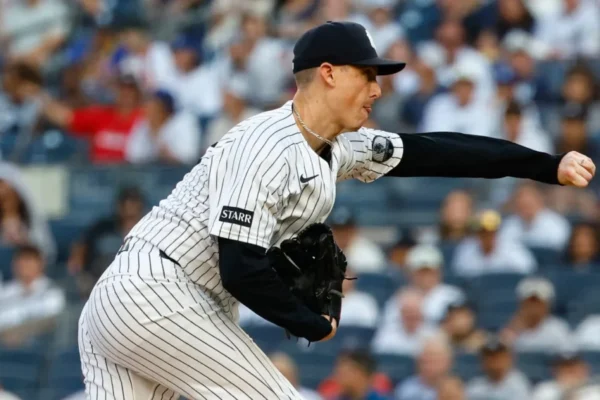
- Yankees: RHP Luis Gil, a high-upside pitcher with a powerful fastball and developing secondary pitches, but whose career has been marred by injuries and control issues. His non-tender opens up a chance for another team to take a flyer on his considerable talent. RHP Fernando Cruz also became a free agent.
The immediate impact of these non-tenders is a sudden expansion of the free-agent pool. Teams looking for depth, specific skill sets, or high-upside reclamation projects will be meticulously sifting through this list. Players like Josiah Gray, Bailey Ober, Christopher Morel, and Nolan Gorman represent significant potential, offering a blend of experience and untapped talent. They will likely command multi-year deals or prove-it contracts, adding another layer of intrigue to an already bustling offseason. For the players, it’s an opportunity for a fresh start, a chance to find a club where their talents are best utilized and valued. For the clubs, it’s a strategic chess match, aiming to acquire undervalued assets or fill specific roster holes without breaking the bank. As the winter meetings approach, the market for these newly minted free agents will undoubtedly heat up, promising a dynamic conclusion to the MLB offseason as teams finalize their rosters for the 2027 campaign.